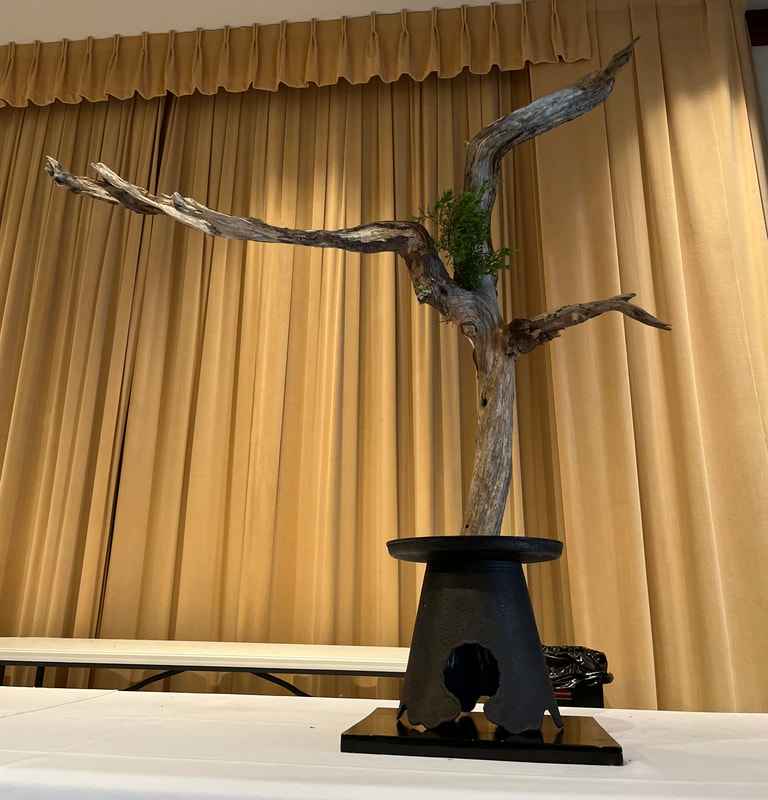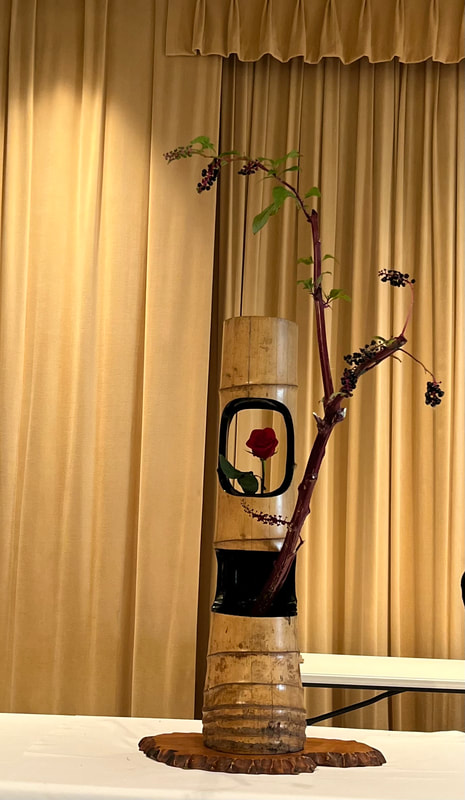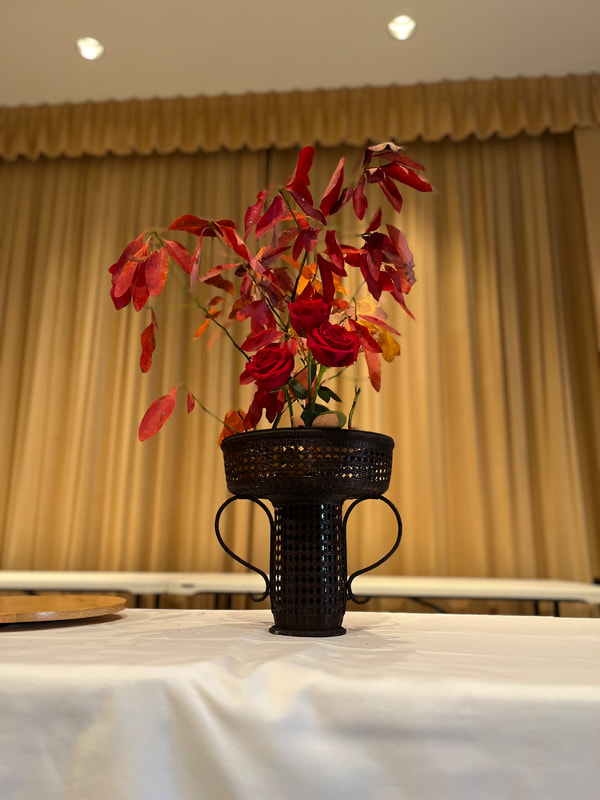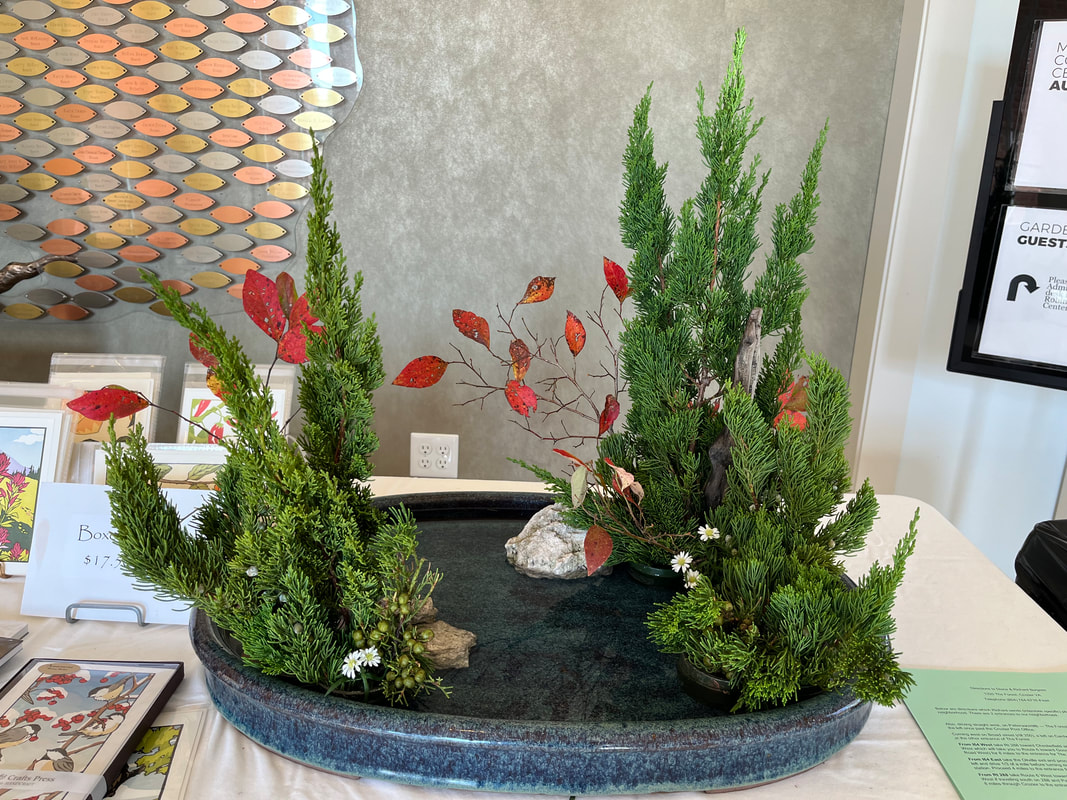
Ikebana of Richmond
  • Home
  • Recent Events
  • Media
  • Japanese Culture
  • Gallery
    • Ikenobo
    • Ohara
    • Sogetsu
    • Ichiyo
    • Sangetsu
  • History
  • Membership

Recent Events

Virginia Museum of Fine Arts Samurai Armor Exhibit Sponsorship

4/15/2024

 
Picture
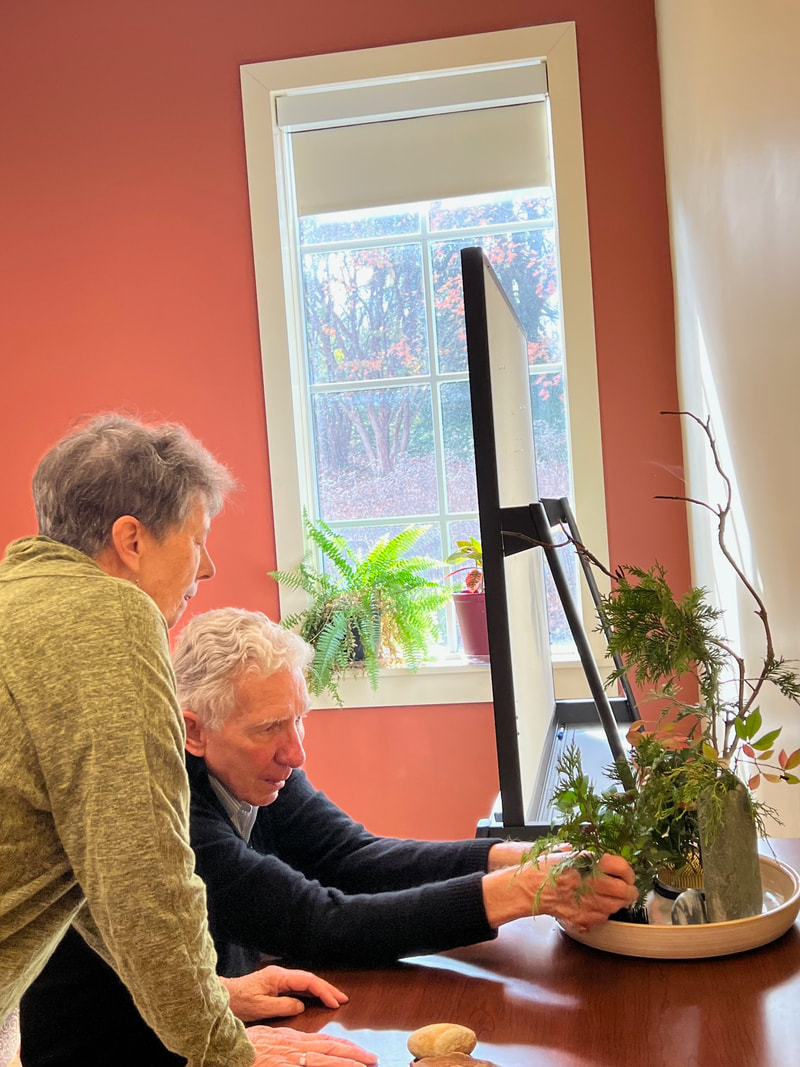
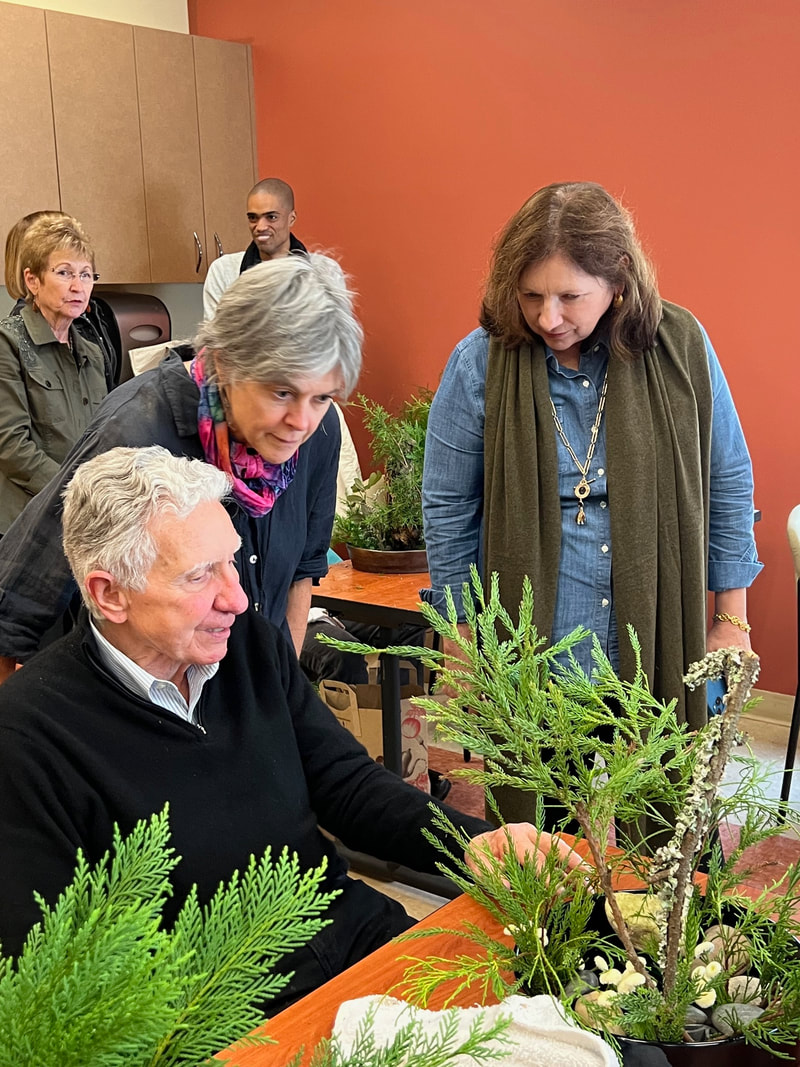
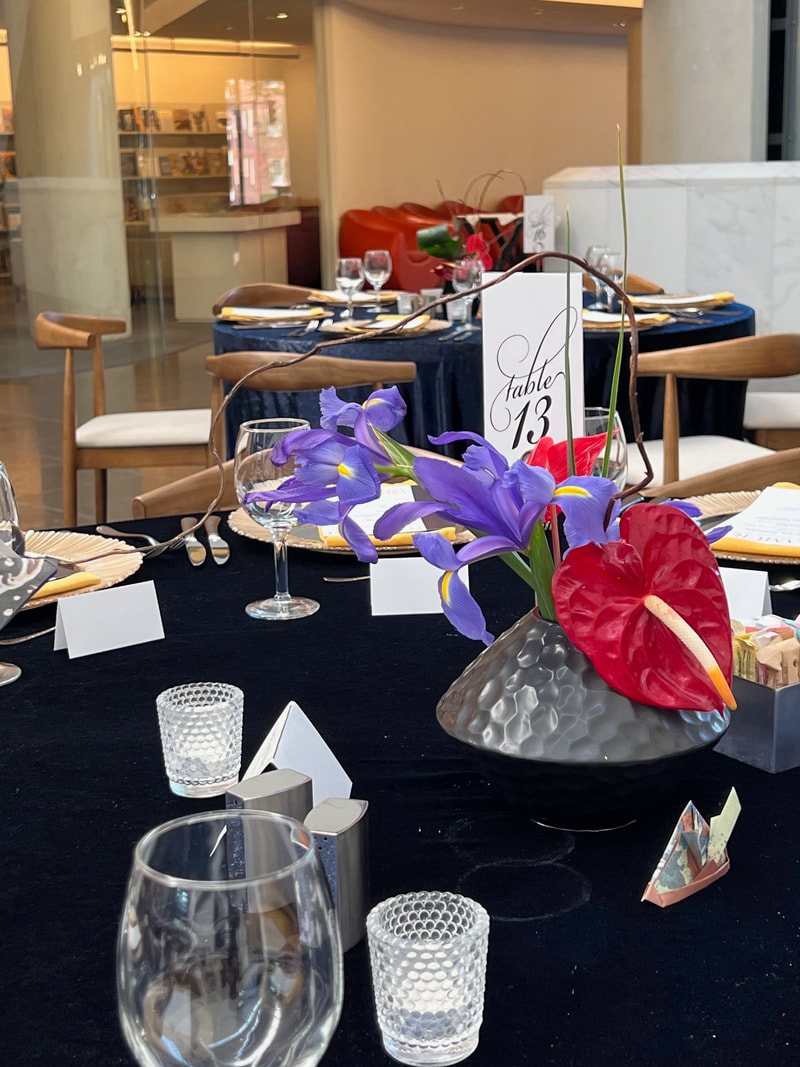
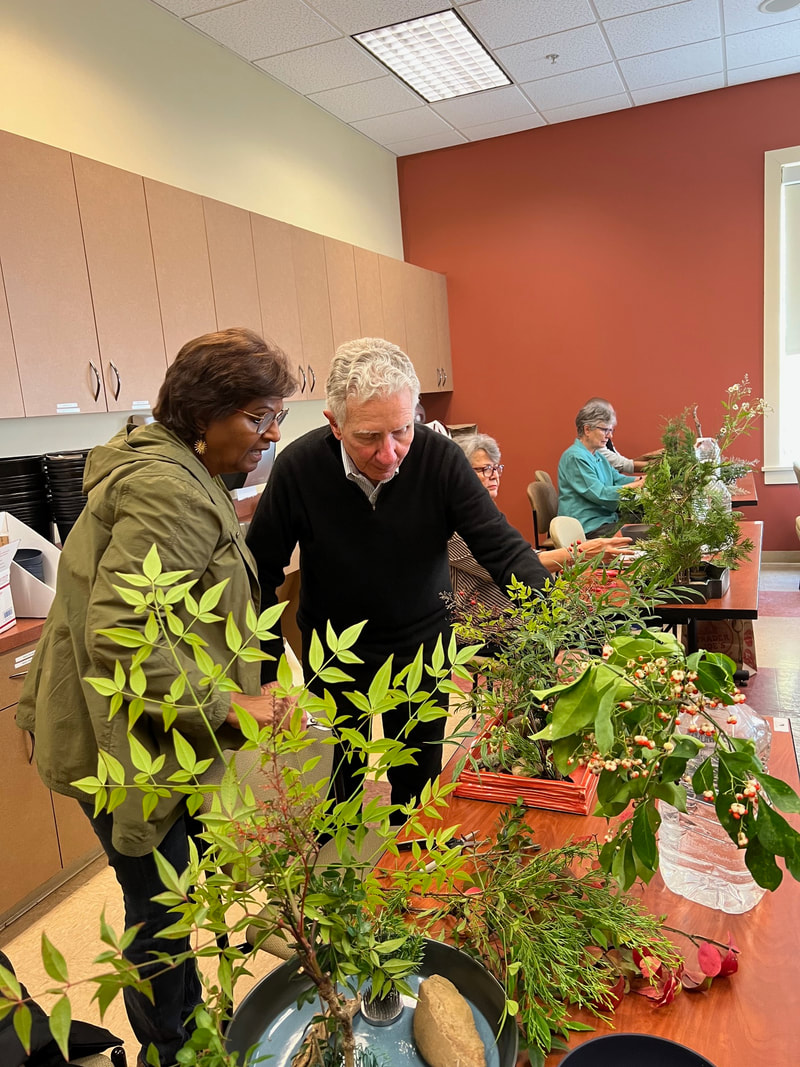
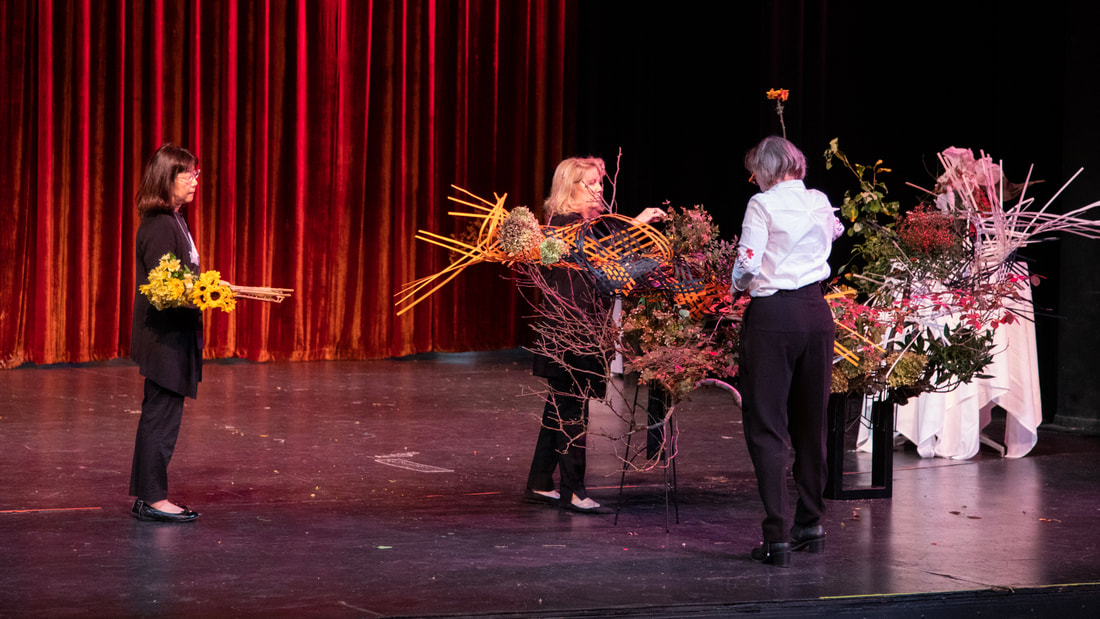
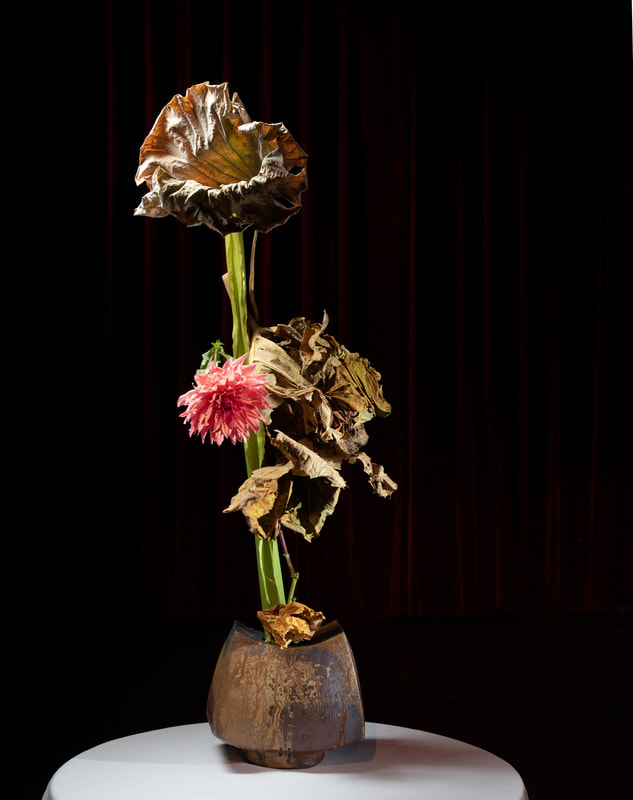
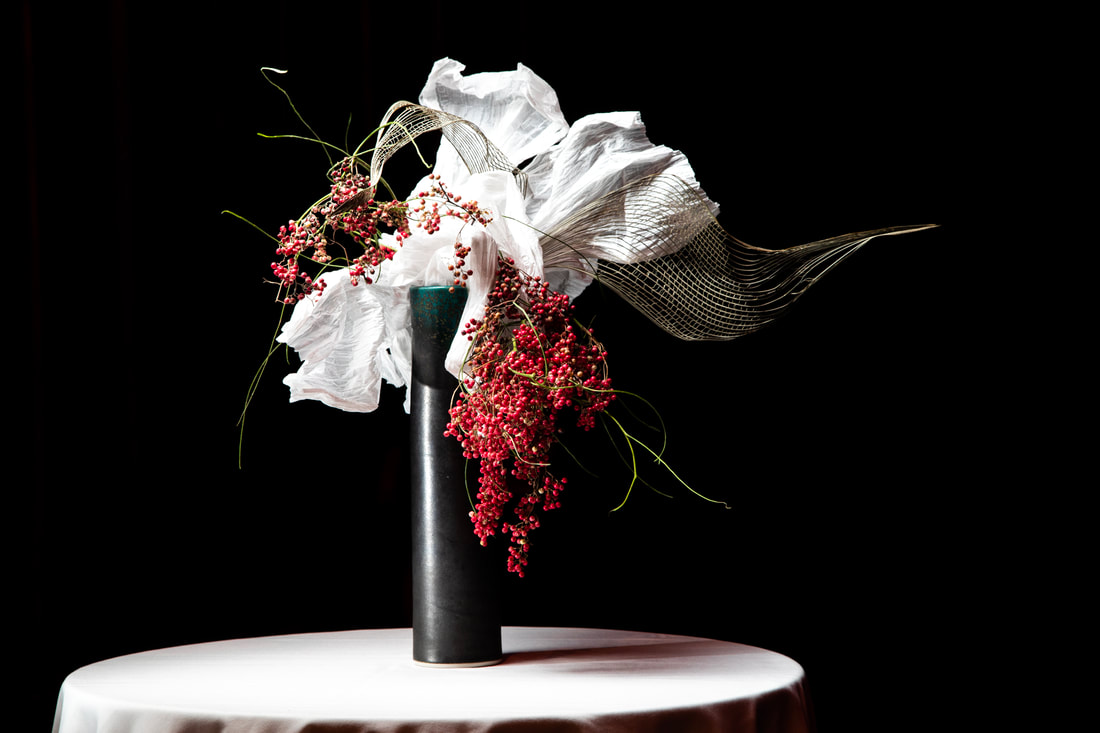
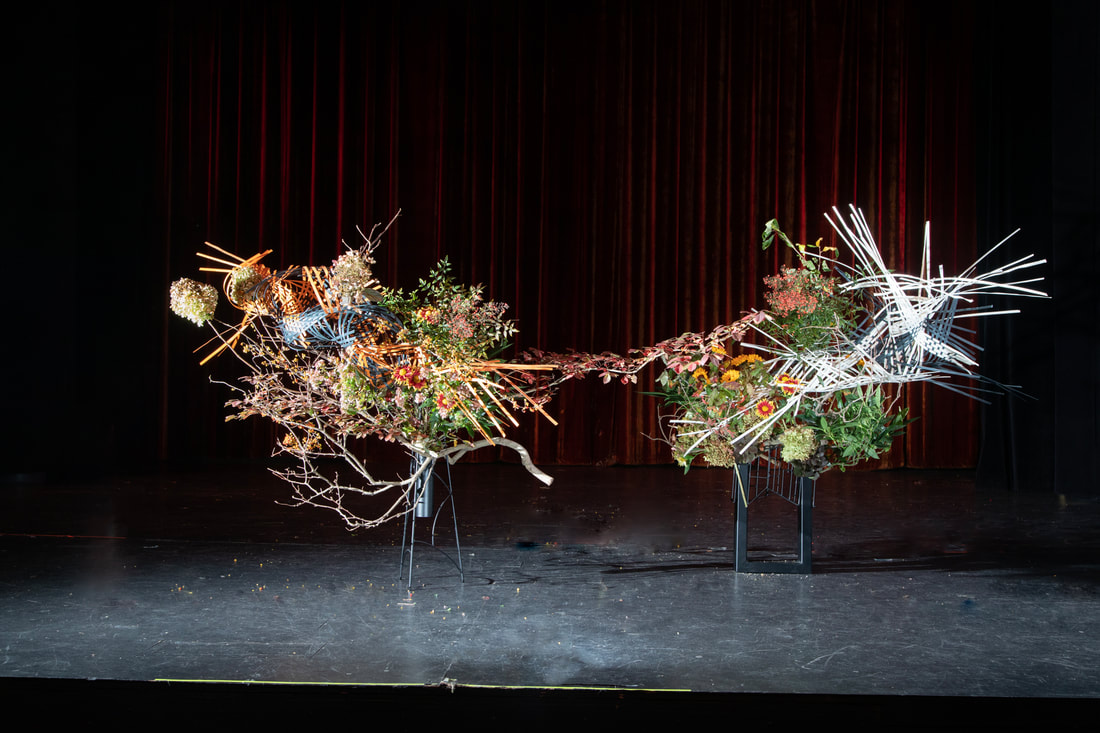
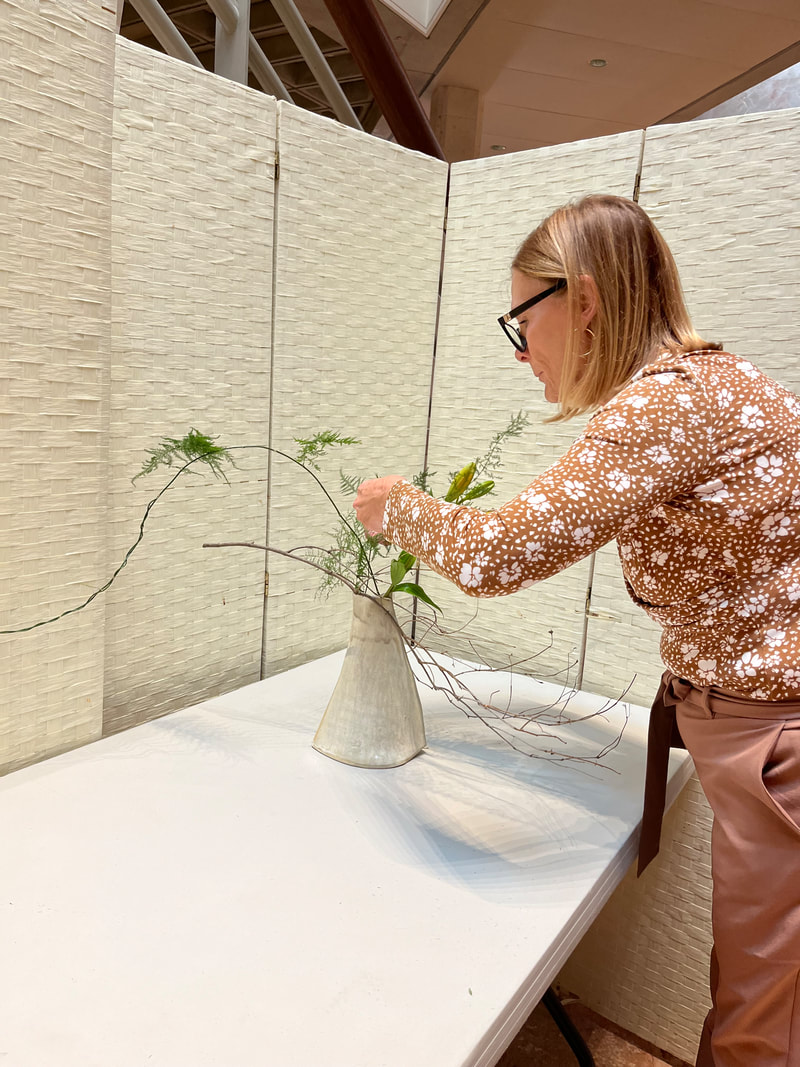
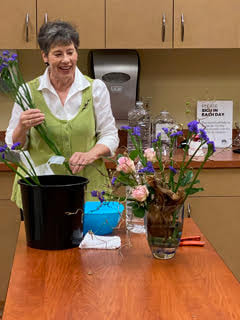
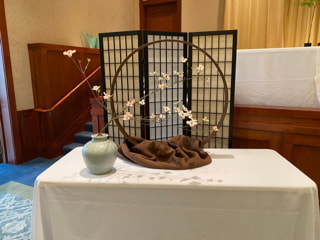
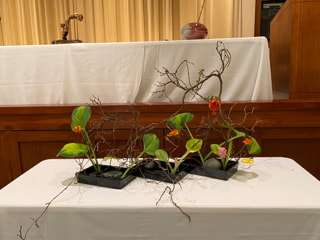
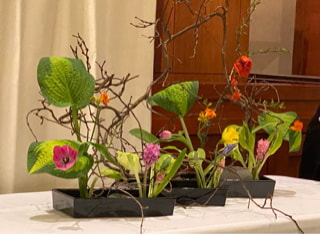
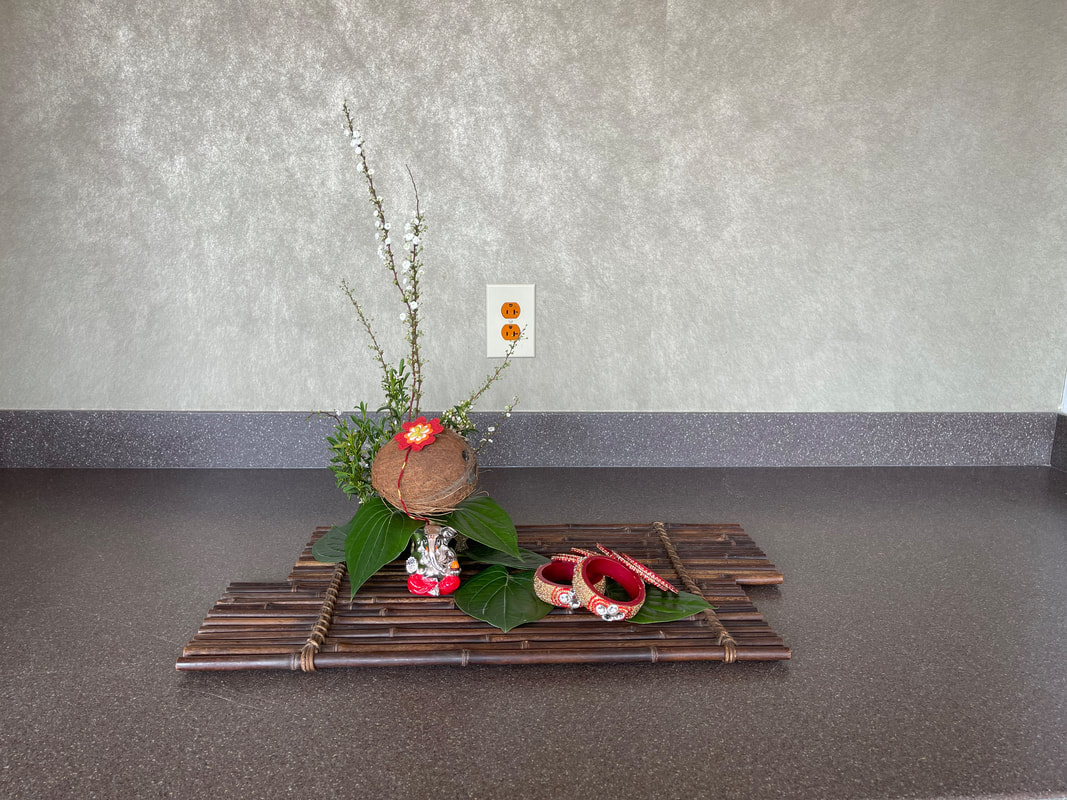
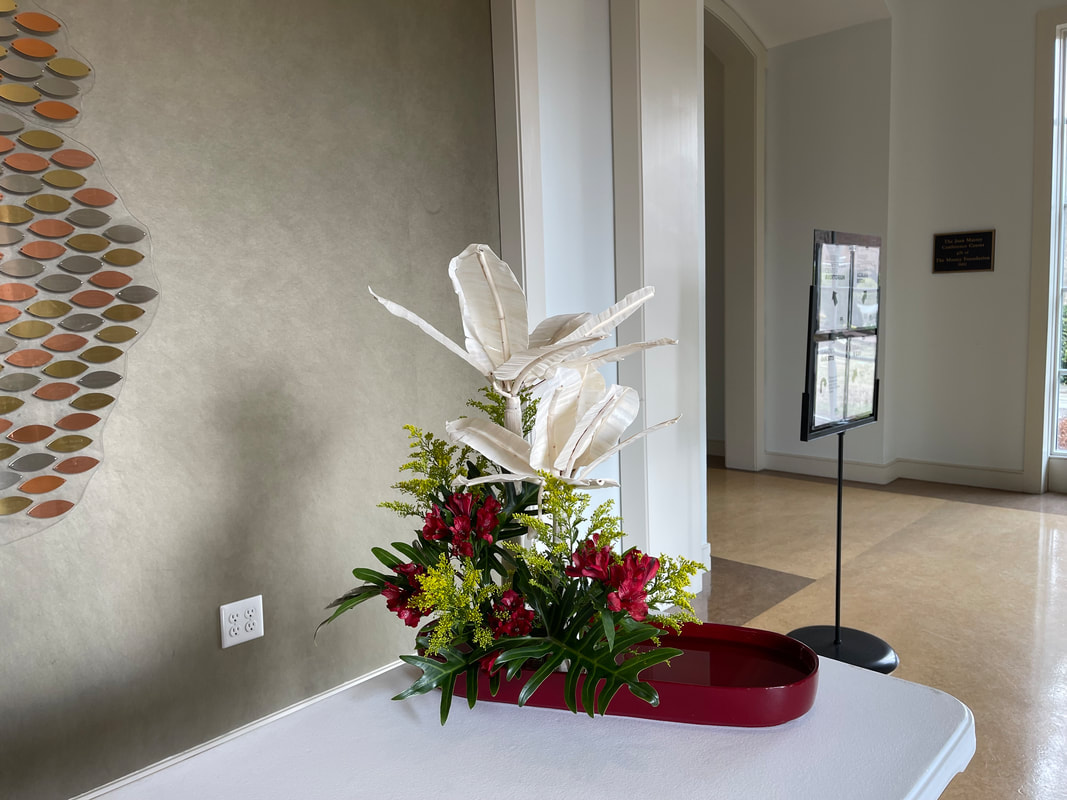
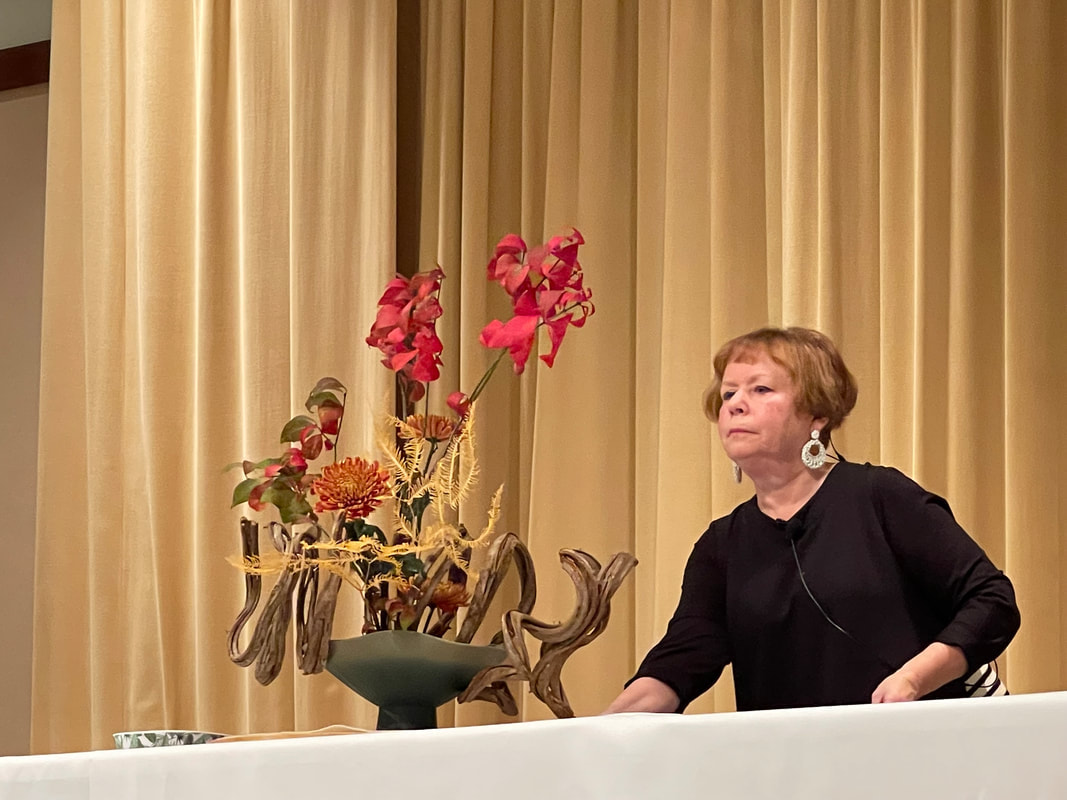
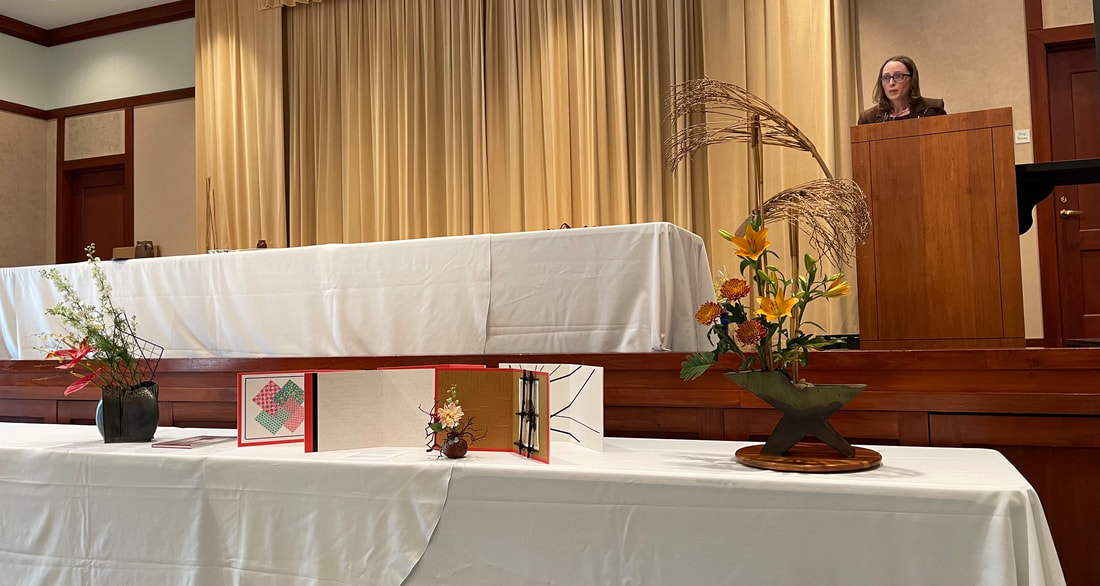
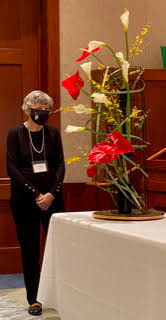
Ikebana of Richmond is proud to be a sponsor of the Samurai Armor Exhibit from the collection of Ann and Gabriel Barbier-Mueller at VMFA. Activities to support the opening of the exhibit began on Sunday, April 14th , when seventeen IOR members gathered at VMFA to create table arrangements for the sponsor dinner on the following evening. The museum and all those gathered for the occasion were delighted with the creative and artistic display of Ikebana on the tables as well as at the entrance. In addition, Annette Ernst designed a large floral exhibit in the entrance hall at the request of the VMFA Hirschler Endowment for Flowers, and Evelyn Klumb hand crafted origami helmets which accompanied all the floral designs.

About the Samurai Armor Exhibit and Collection
One of the largest and most refined collections of Japanese samurai armor will be exhibited by VMFA from April 20 to August 4, 2024. Amassed over 30 years, the Ann and Gabriel Barbier-Mueller collection features over 130 works including:
  • 17 full suits of armor
  • 50 plus helmets and masks
  • War coats
  • Weapons
  • War horse equipment
These examples were produced for high-ranking samurai for use either on battlefields or in ceremonies from the 14 th through the 19 th centuries. The exhibition illuminates the exceptionally high level of design and craftsmanship dedicated to these elaborate instruments of ceremony and combat.

Who were the samurai?
The term samurai, meaning “those who serve,” is associated with military elites who rose to power in Japan in the 12 th Century. Tumultuous wars followed for centuries and samurai warriors demonstrated masterful skills in archery as well as excelling as swordsmen and equestrians. Their honor was won not only through bravery and loyalty but also through power and prestige. The Samurai class continued to dominate politically, socially and culturally through the peaceful Edo period until the late 19 th century.
Tracing the evolution of armor styles from medieval through early modern Japan, the exhibition explores the artistic legacy of the samurai’s reign over seven centuries.
​
How does the Exhibit tie into IOR?
The very beginnings of Ikebana reach back over 600 years in Japan where Buddhist monks placed floral offerings to Buddha in the temples. Over time, noblemen and samurai warriors also took up Ikebana which was practiced as a meditative process aligning the practitioner's spirit with the natural world.
For the Samurai, Ikebana offered a welcome release from battle because they could focus on the nature, simplicity and balance. While known for their military prowess, they also excelled in this art form blending their strength with delicacy.

Spring Forward

4/4/2024

 
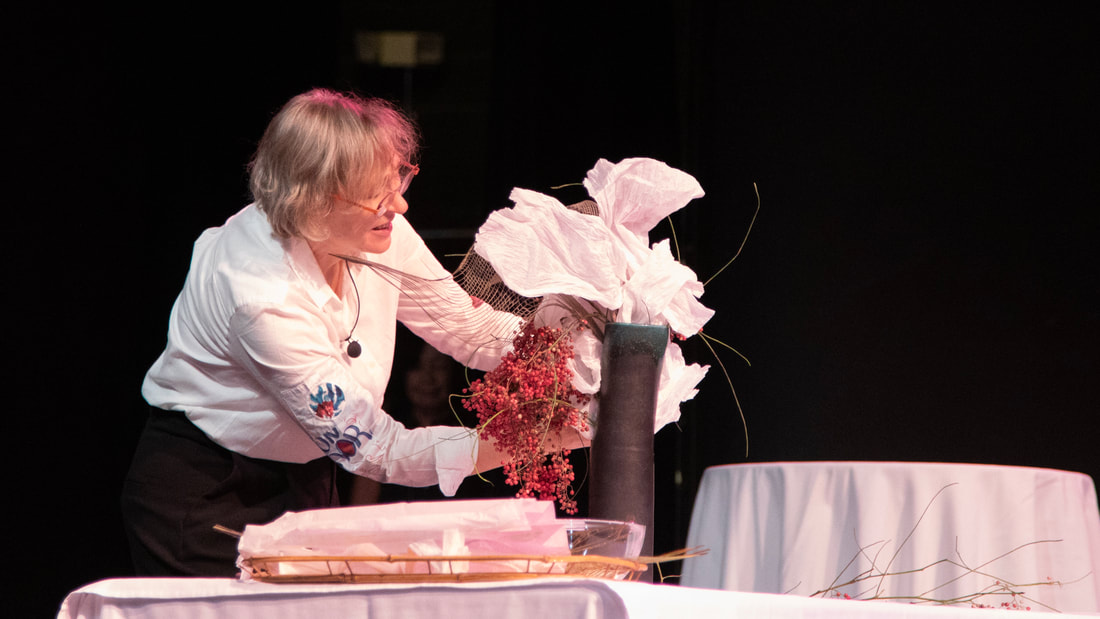
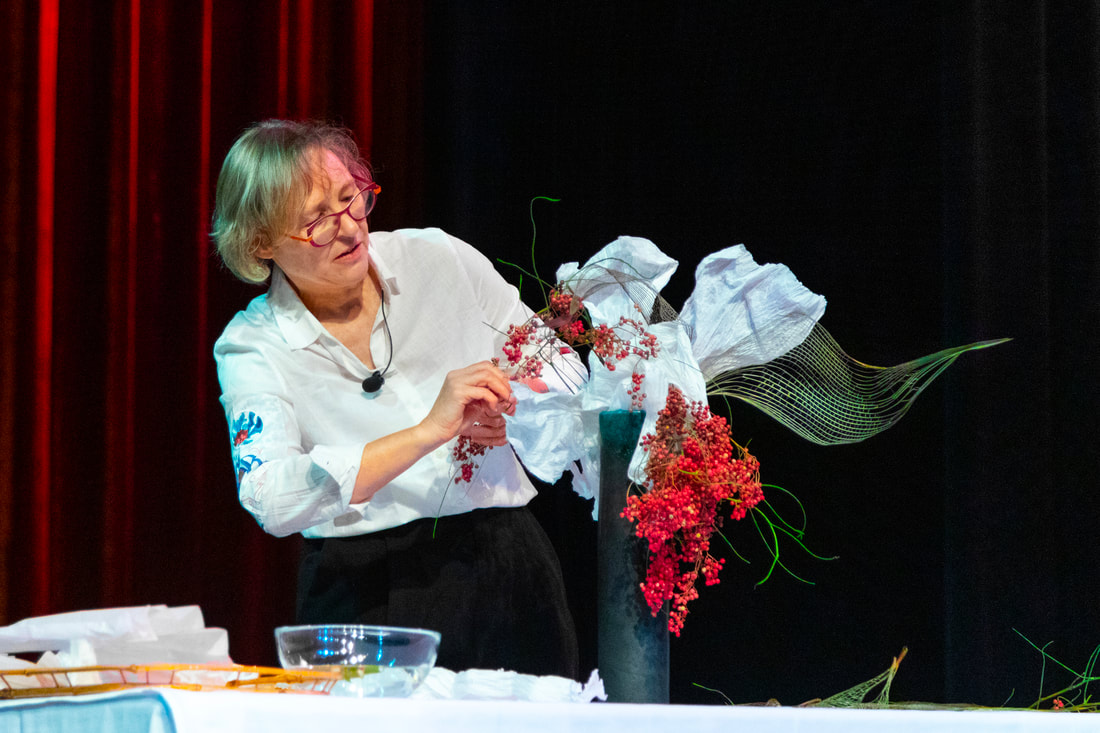
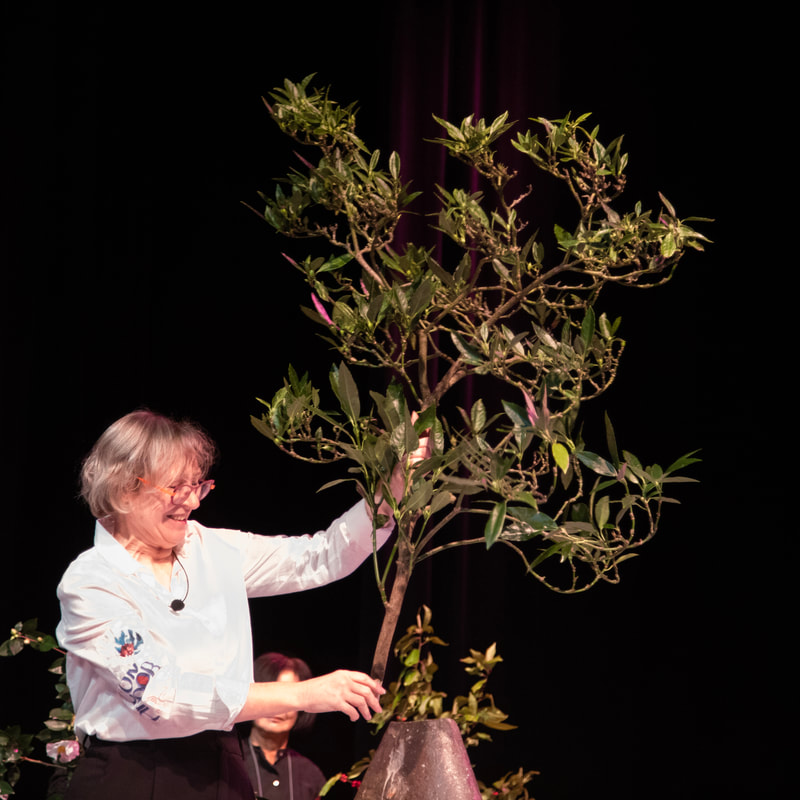
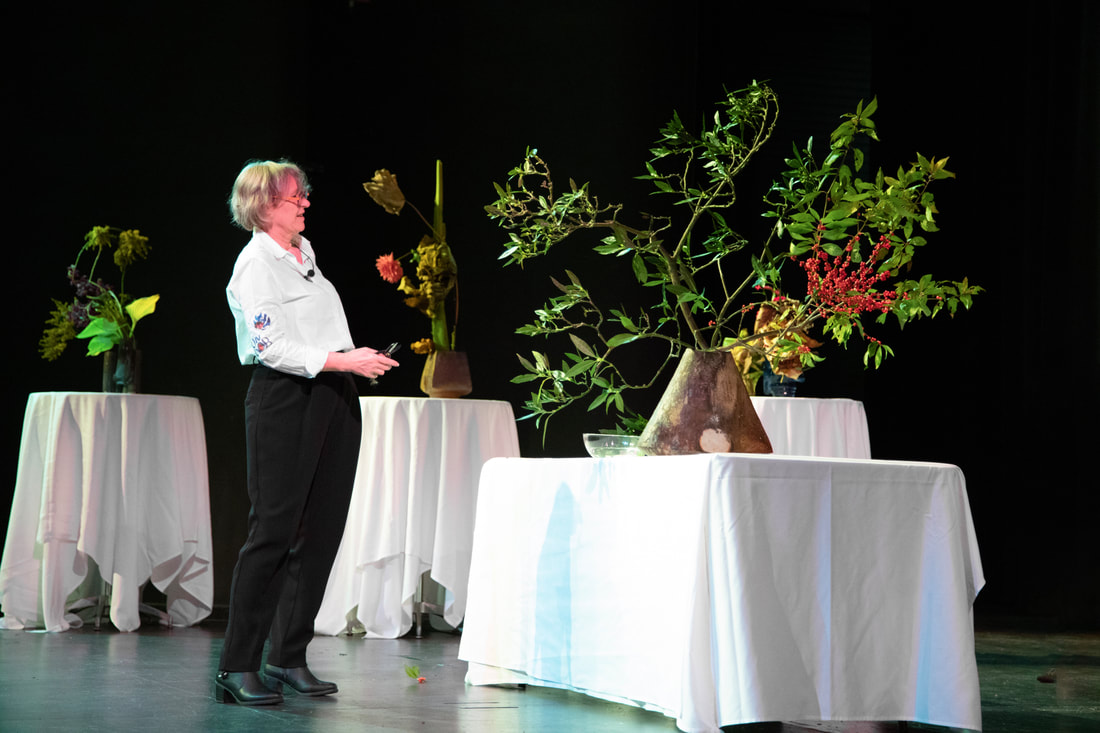
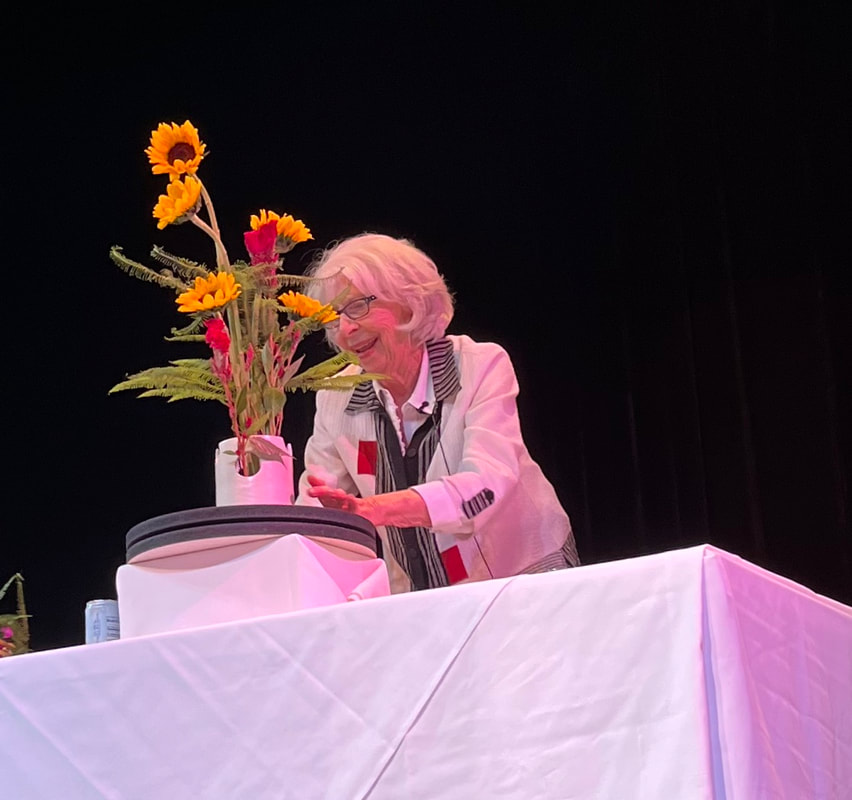
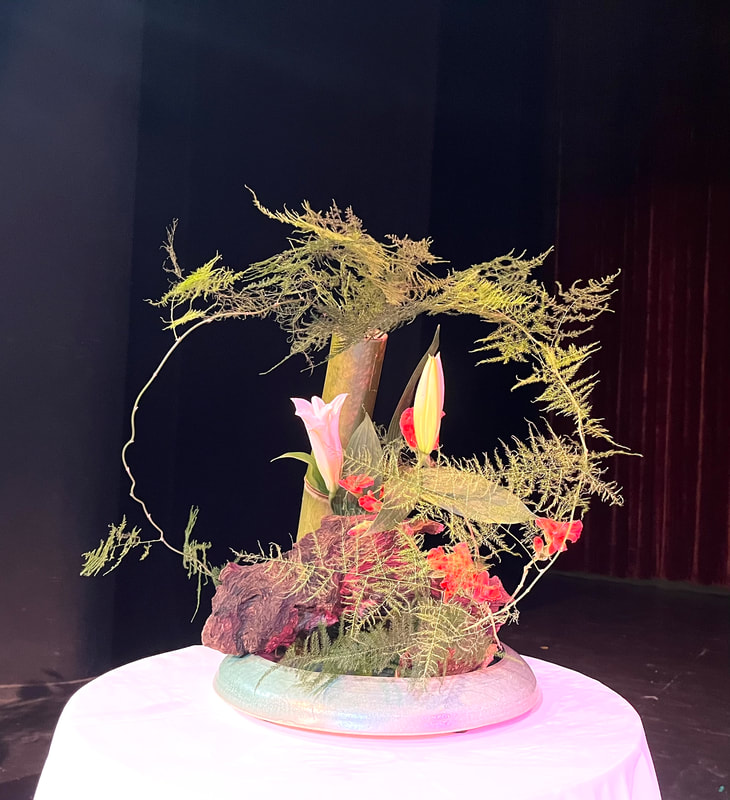
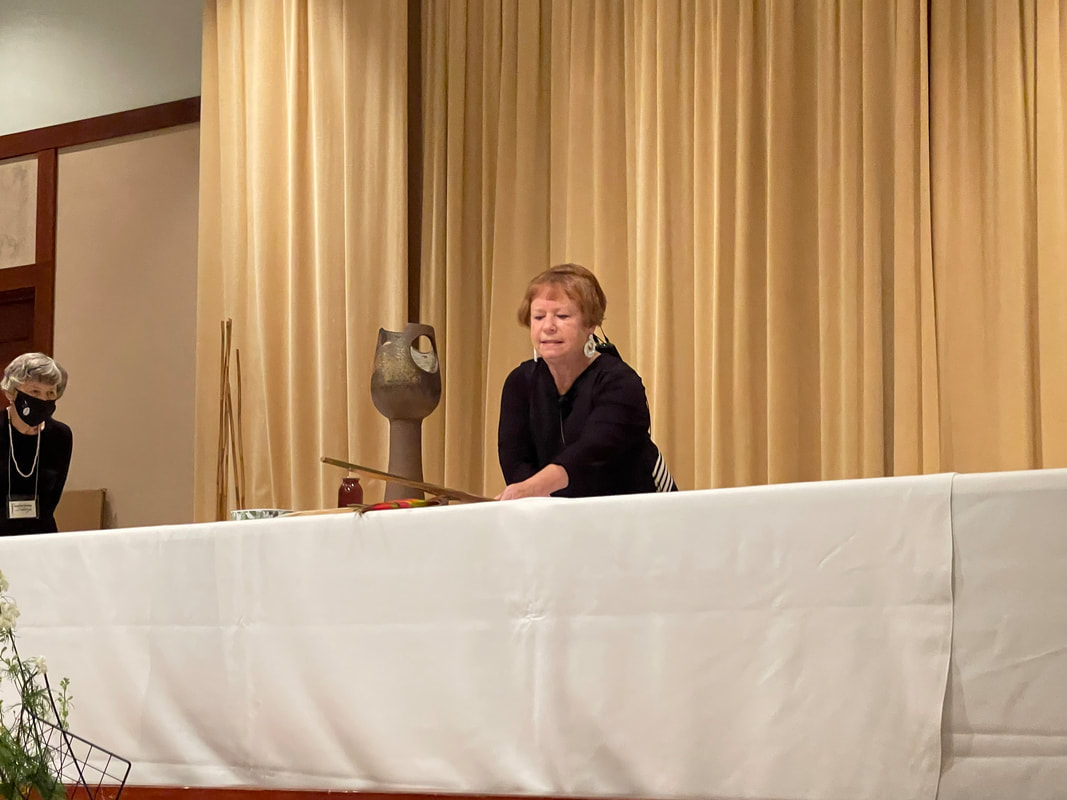
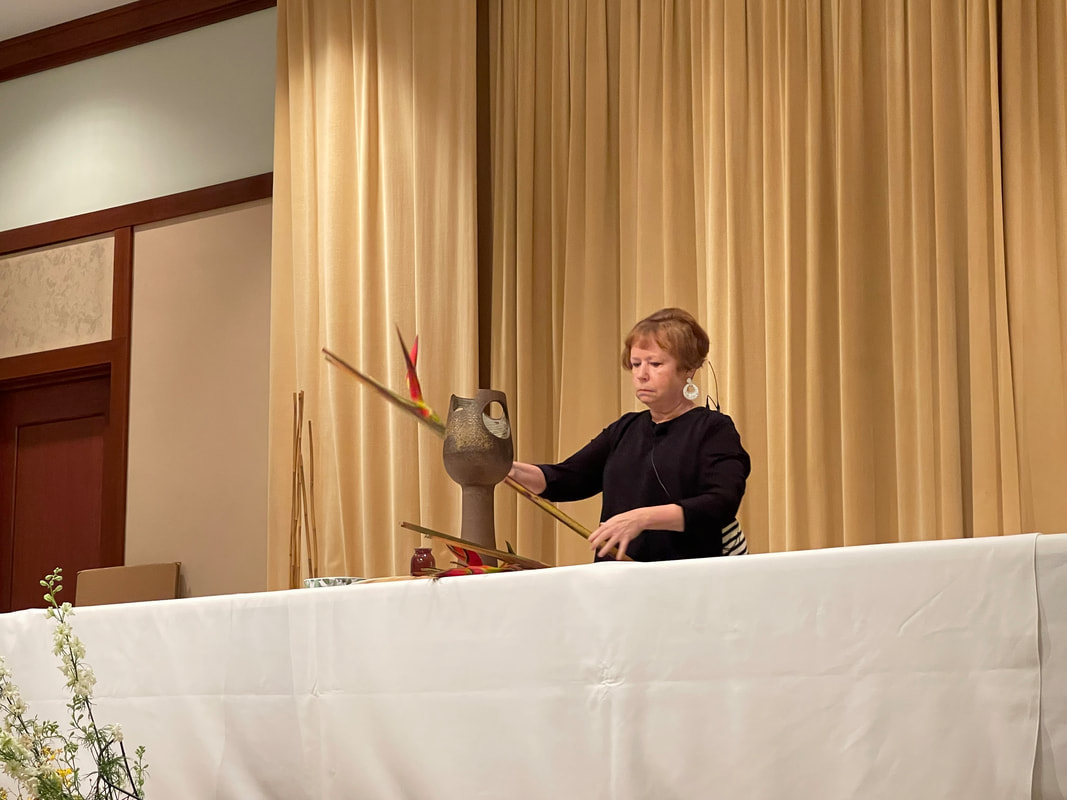
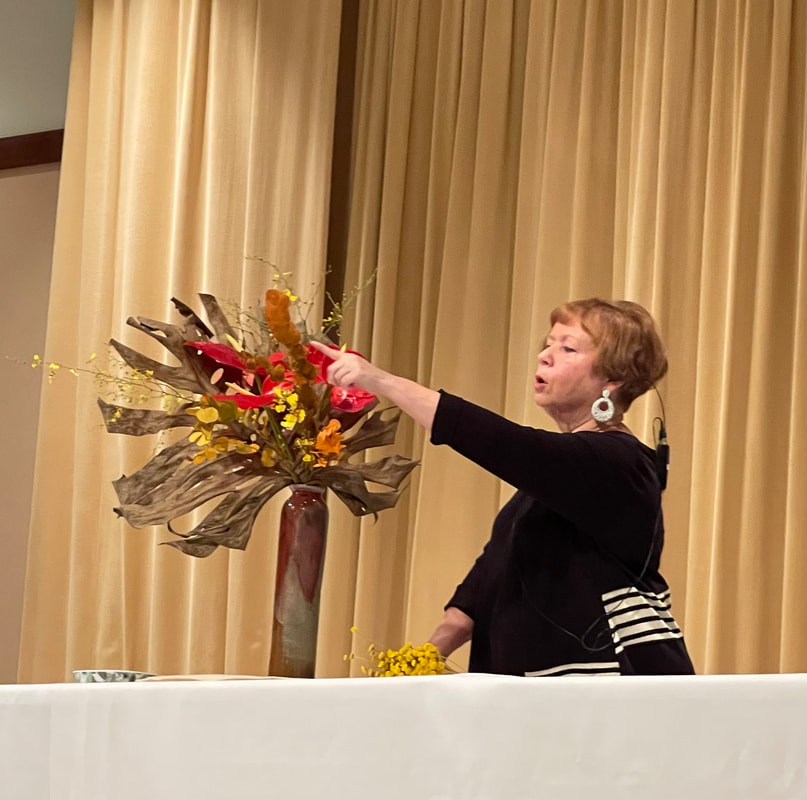
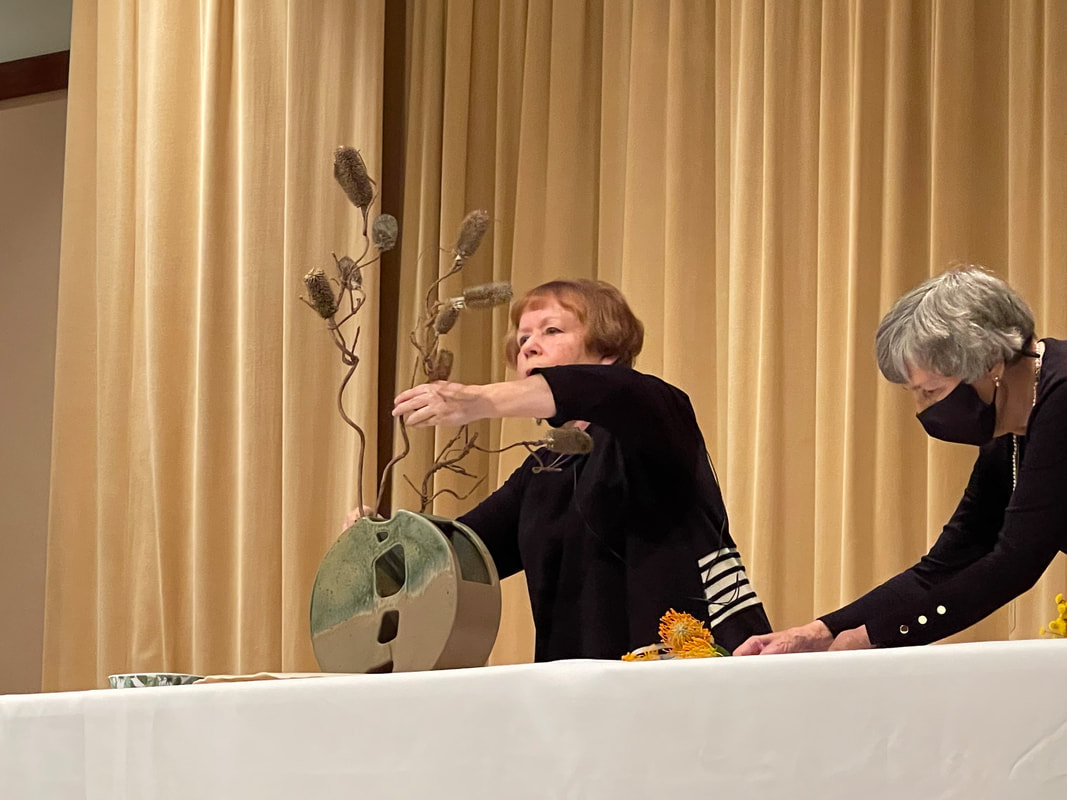
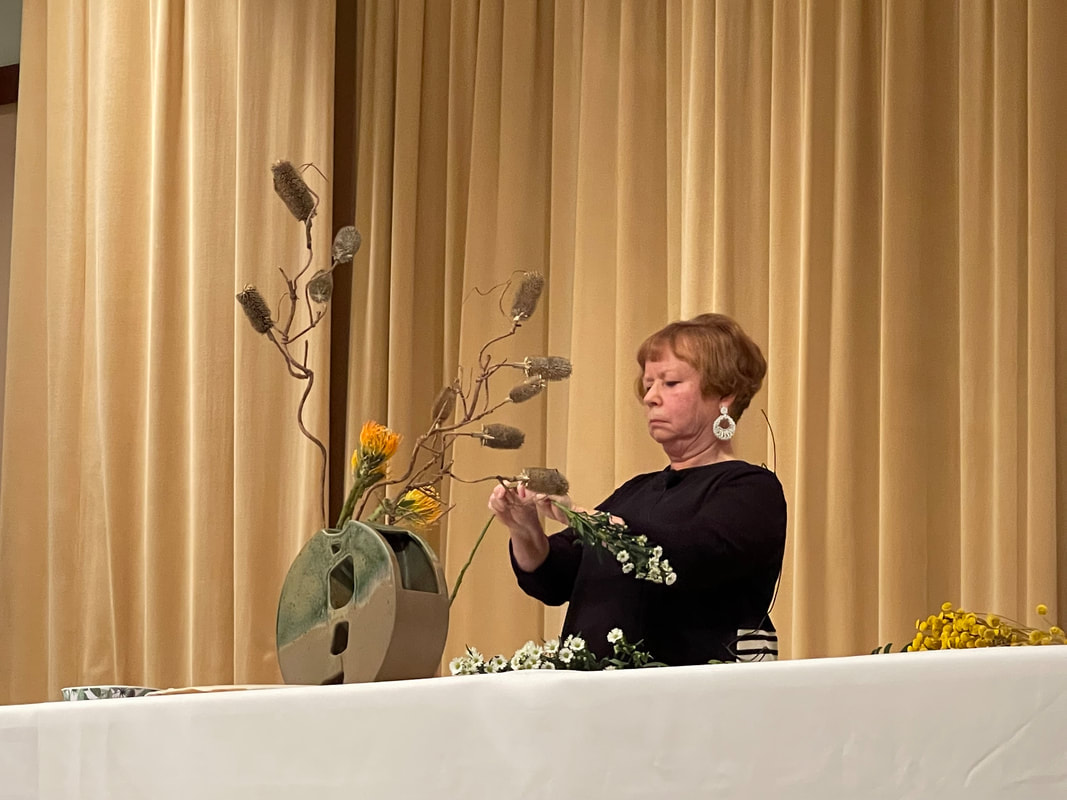
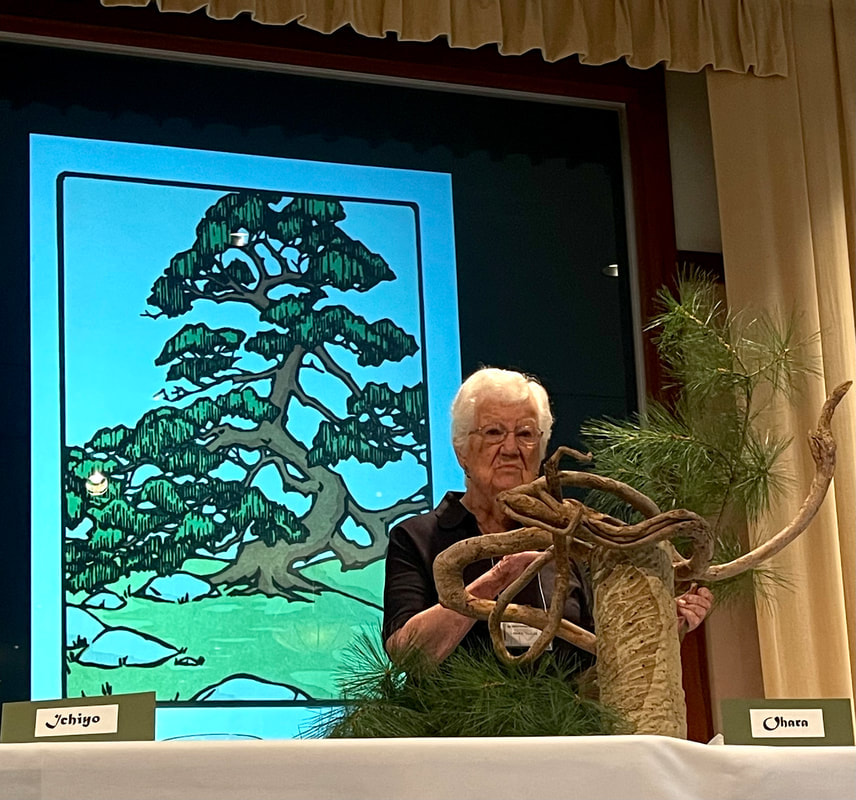
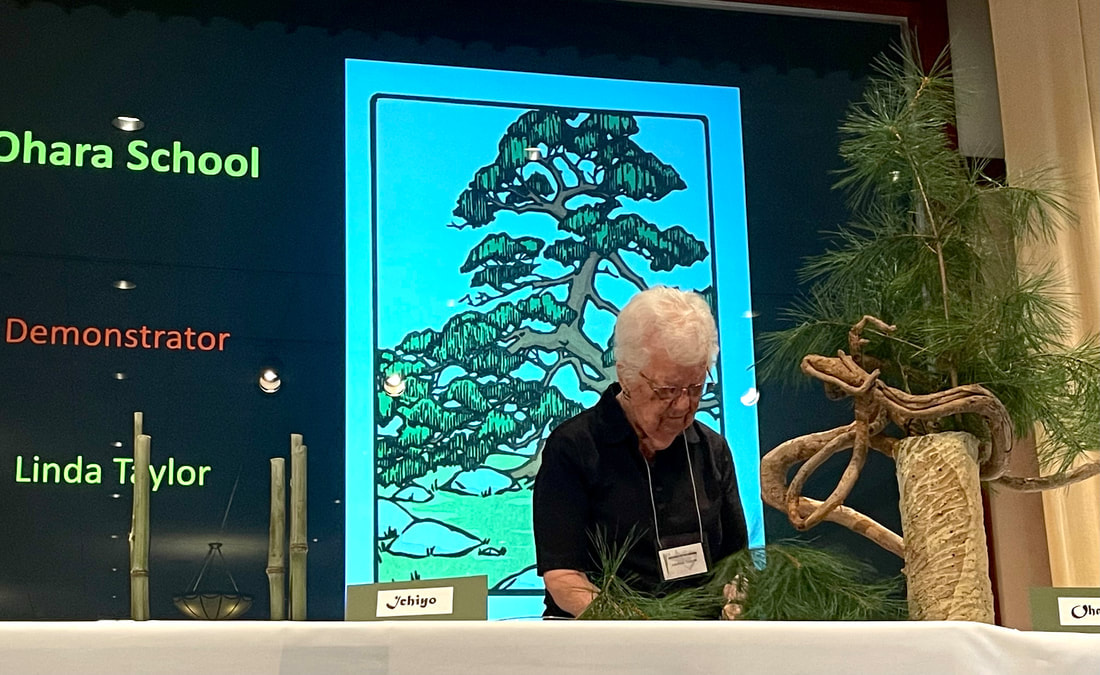
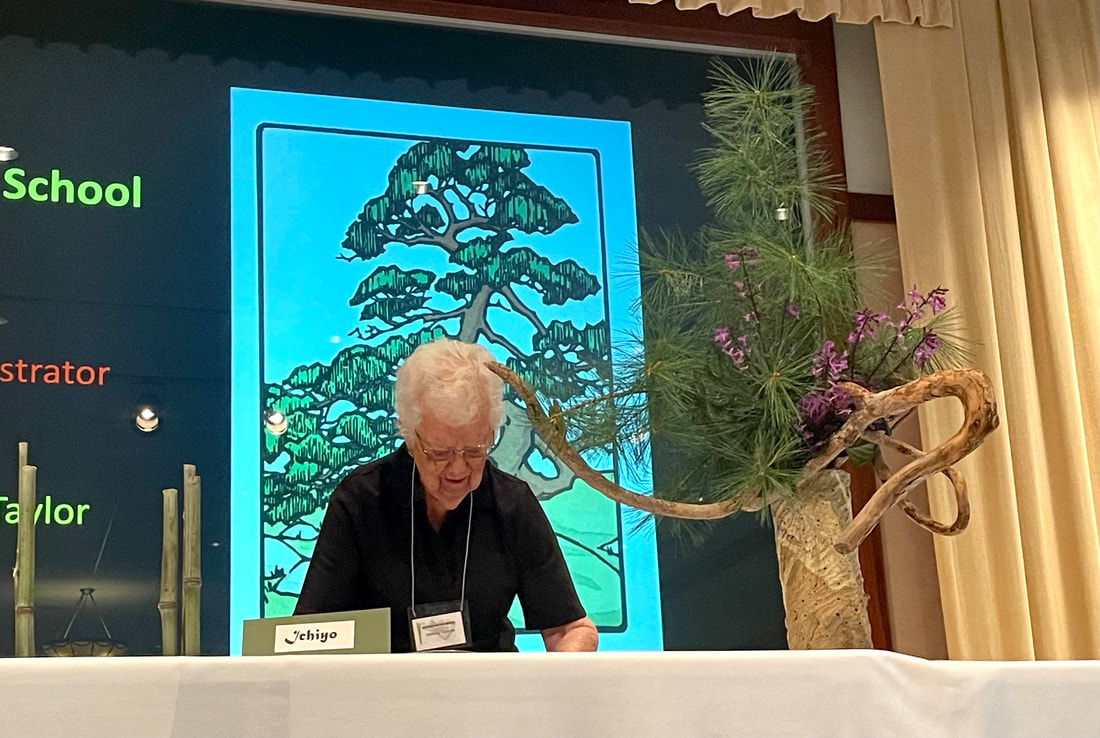
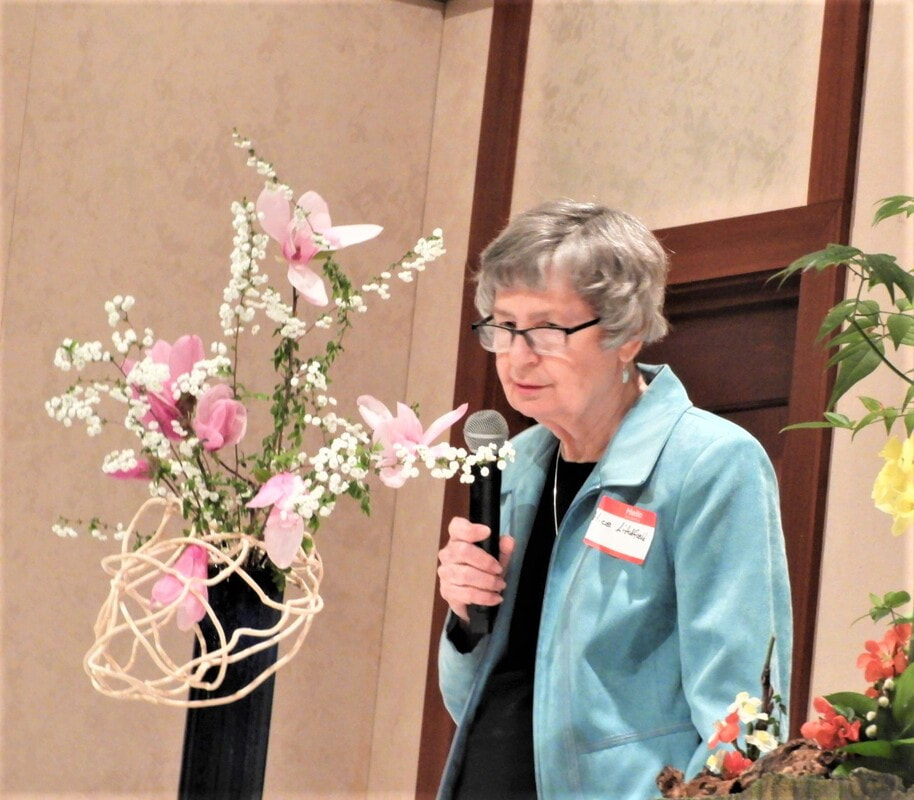
IOR ended our program year with a demonstration by Alice Buch, 2nd Term Master of the Ohara School. Her program, “Spring Forward,” featured seven arrangements which included stunning materials gathered from the garden of Arlene Evans in Northern Virginia. Alice focused on the naturalistic style characteristic of the Ohara School and a primary tenet of its founder, Unshin Ohara: to observe nature and how plants respond and grow.
Alice was a student of Grand Master Betty Taylor and is currently a student of Grand Master Ingrid Lϋders. Alice has also studied at the Ohara International Center in Tokyo, Japan, the Southeastern Ohara Workshops in Highlands, NC and at the North American Ohara Teacher Conferences in Cleveland, Philadelphia, Los Angeles, Houston, Victoria BC, Chicago, and Boston.
Alice resides in Arlington, Virginia. She teaches classes in Arlington and Richmond. She has exhibited at the National Arboretum, the Virginia Museum of Fine Arts and the Lewis Ginter Botanical Garden.

Member Showcase

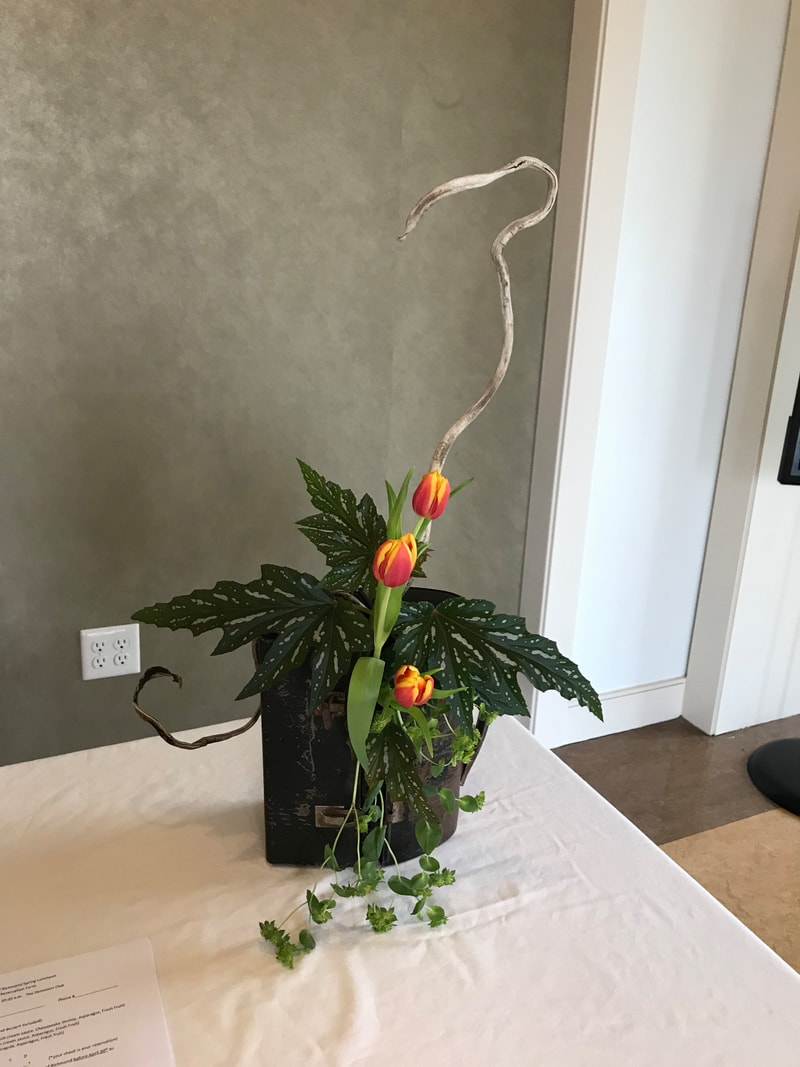
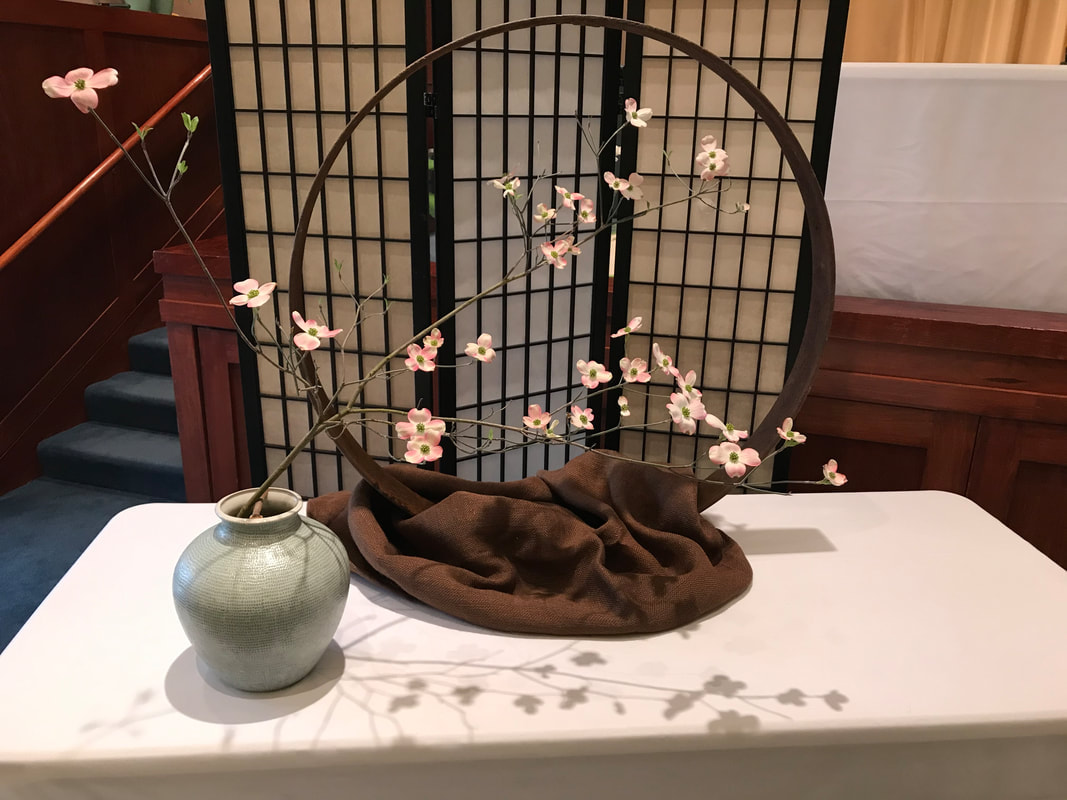
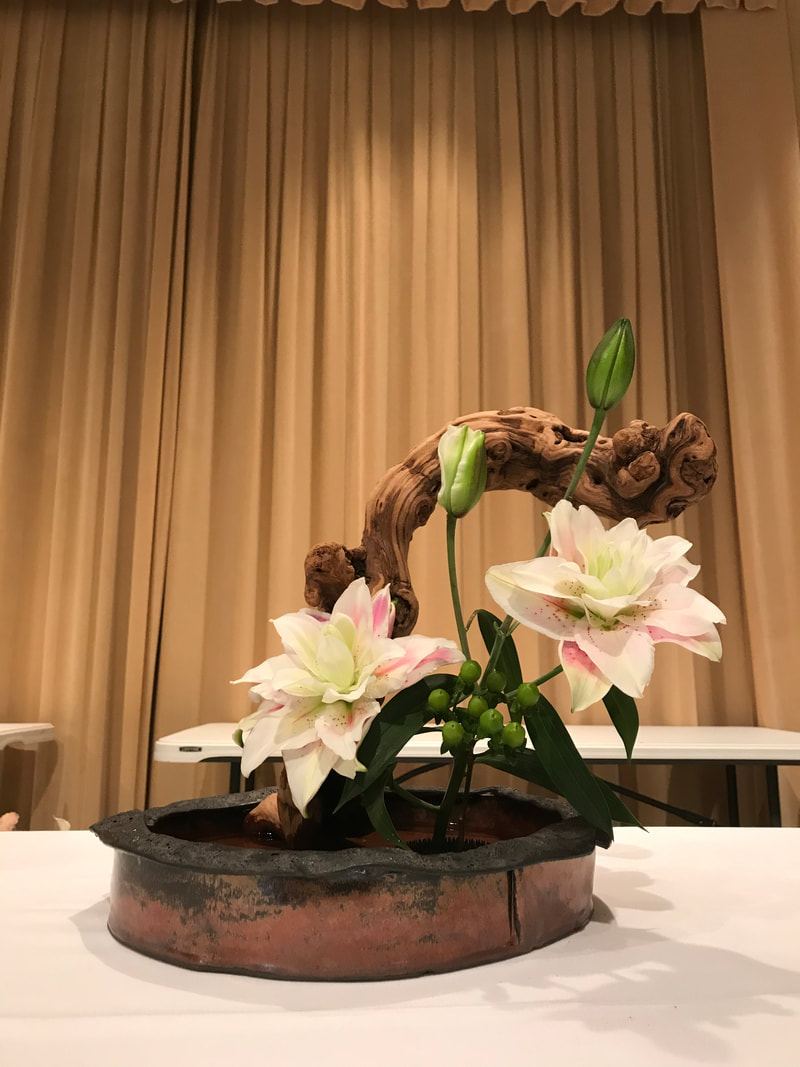
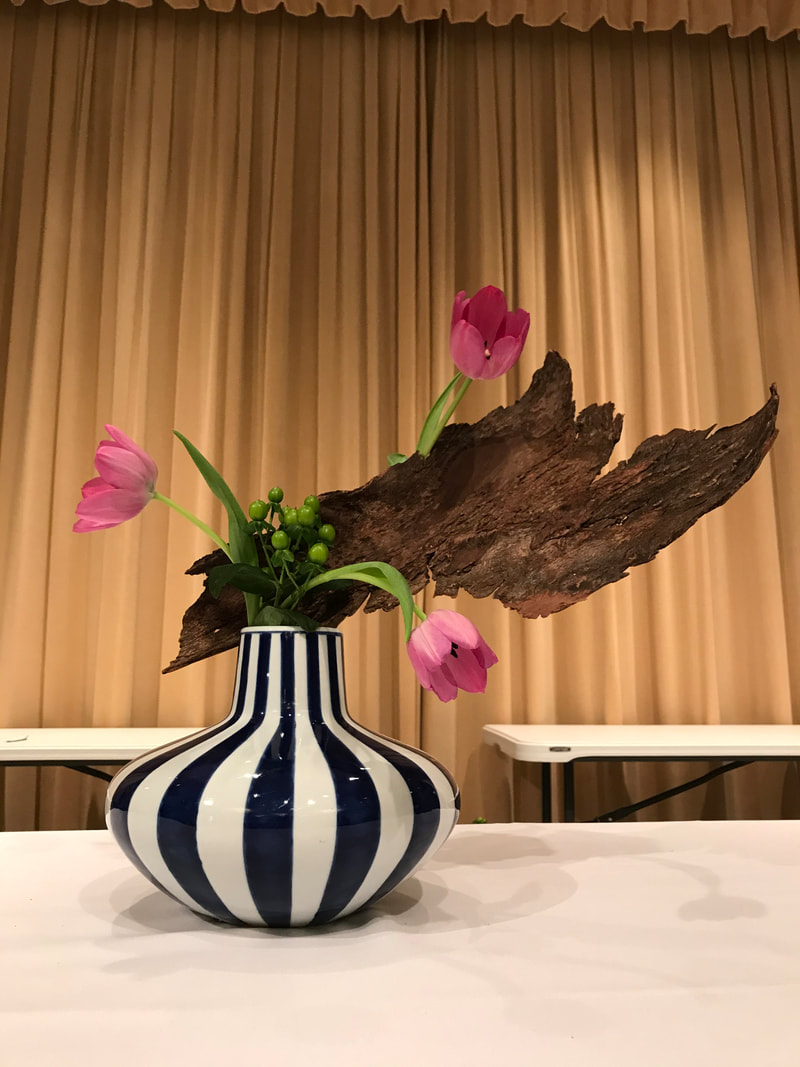
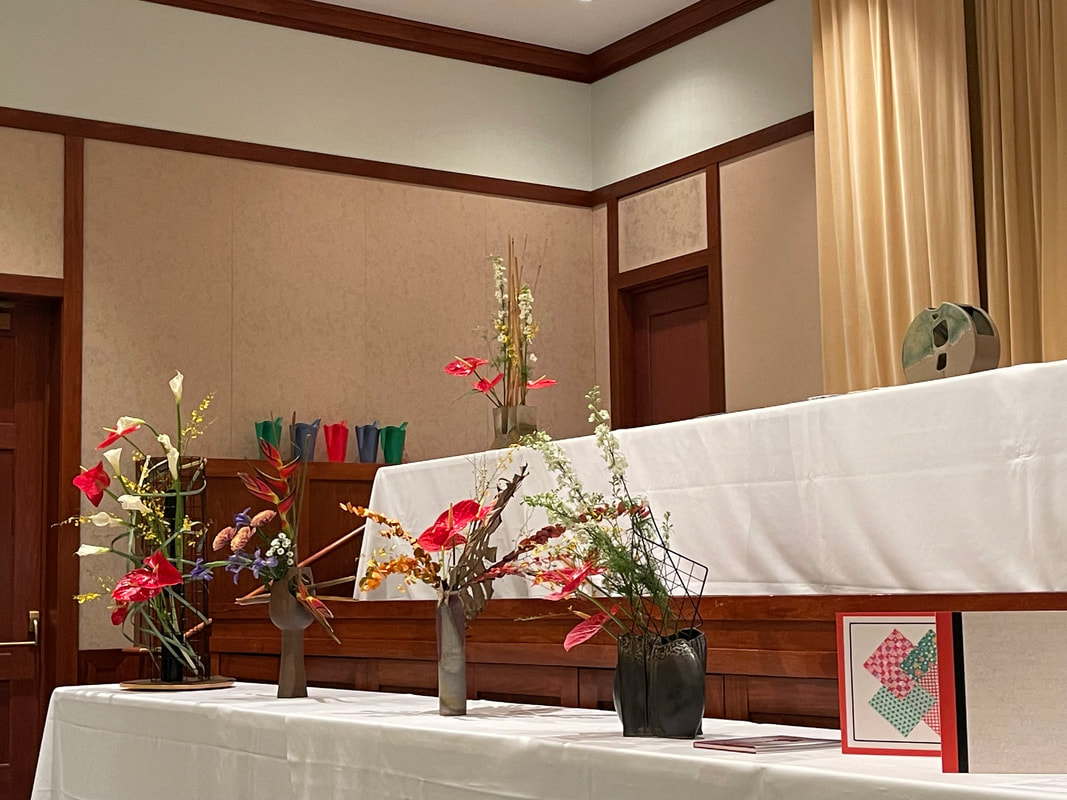
​The April meeting was also our annual member showcase, and we were treated to a variety of wonderful arrangements representing multiple schools. It was an excellent opportunity to see the many approaches to the art of Ikebana.

Early Spring Yellow

3/7/2024

 
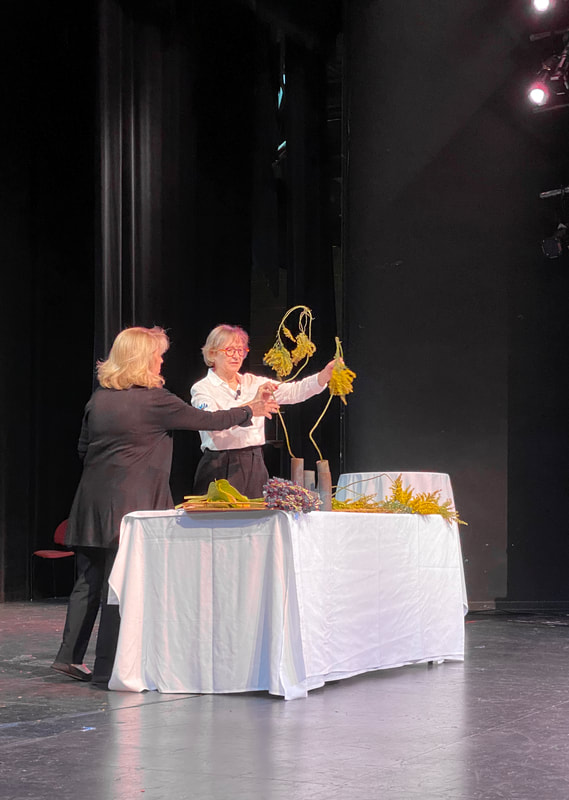
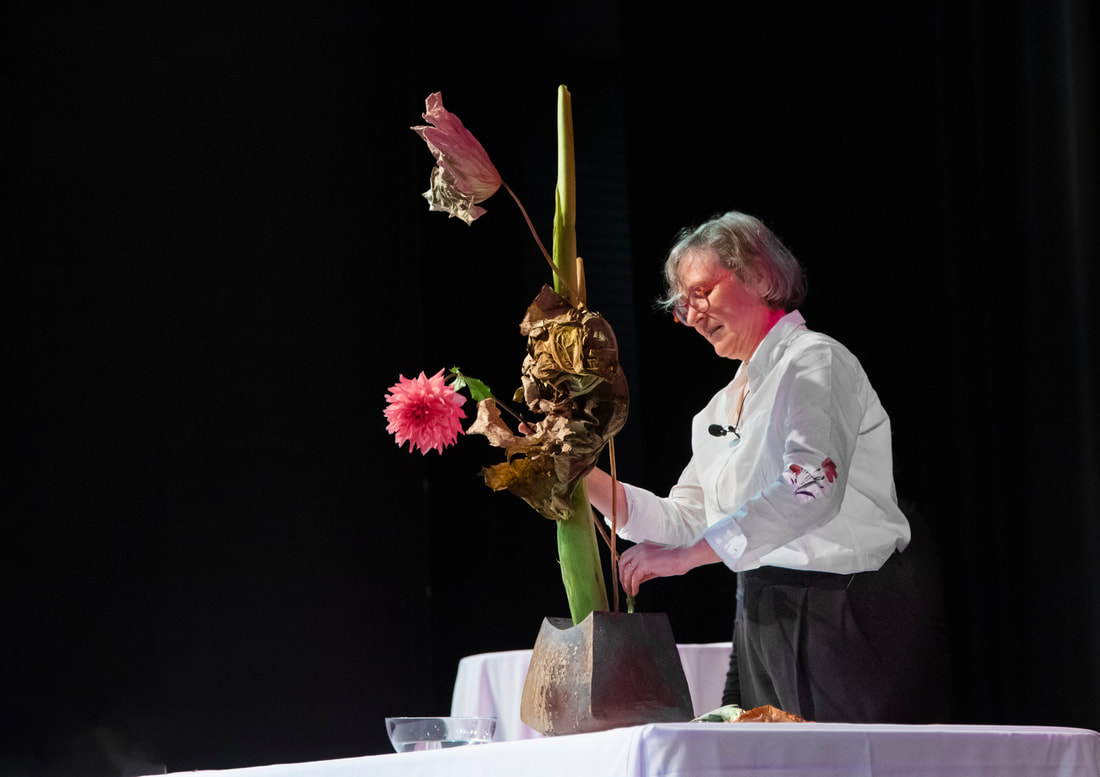
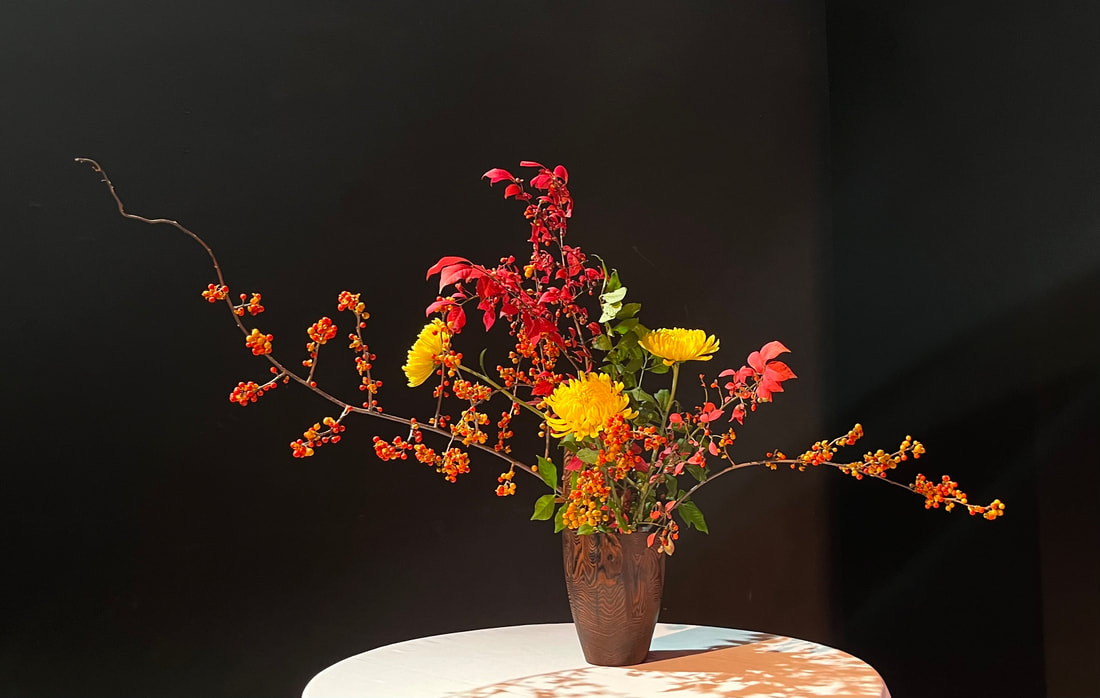
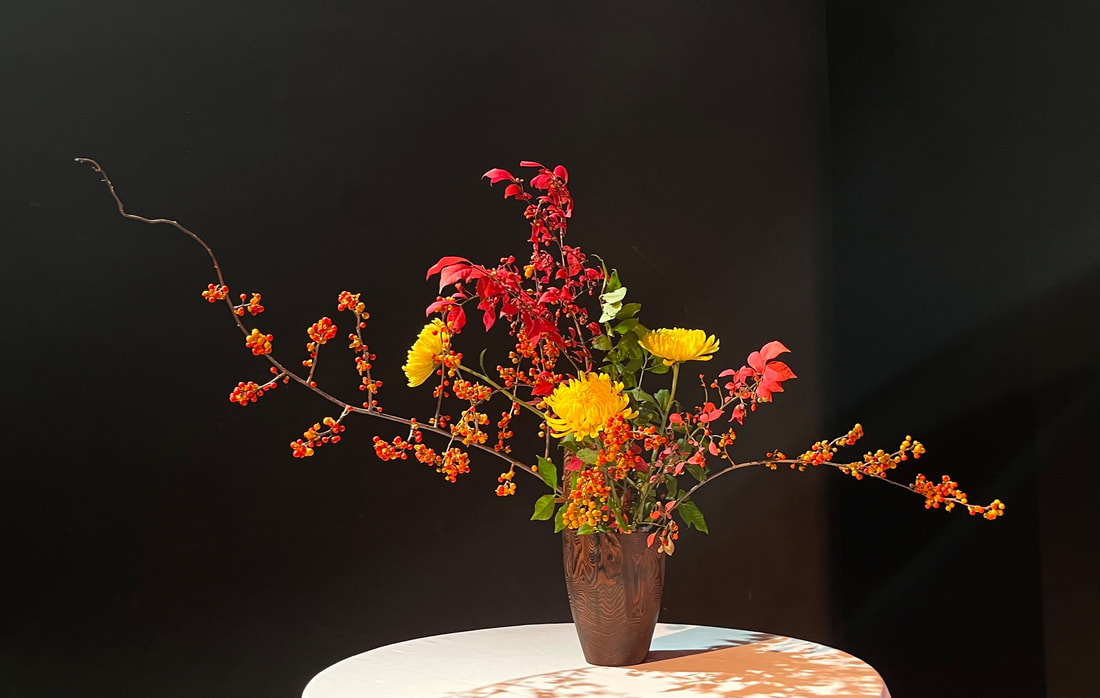
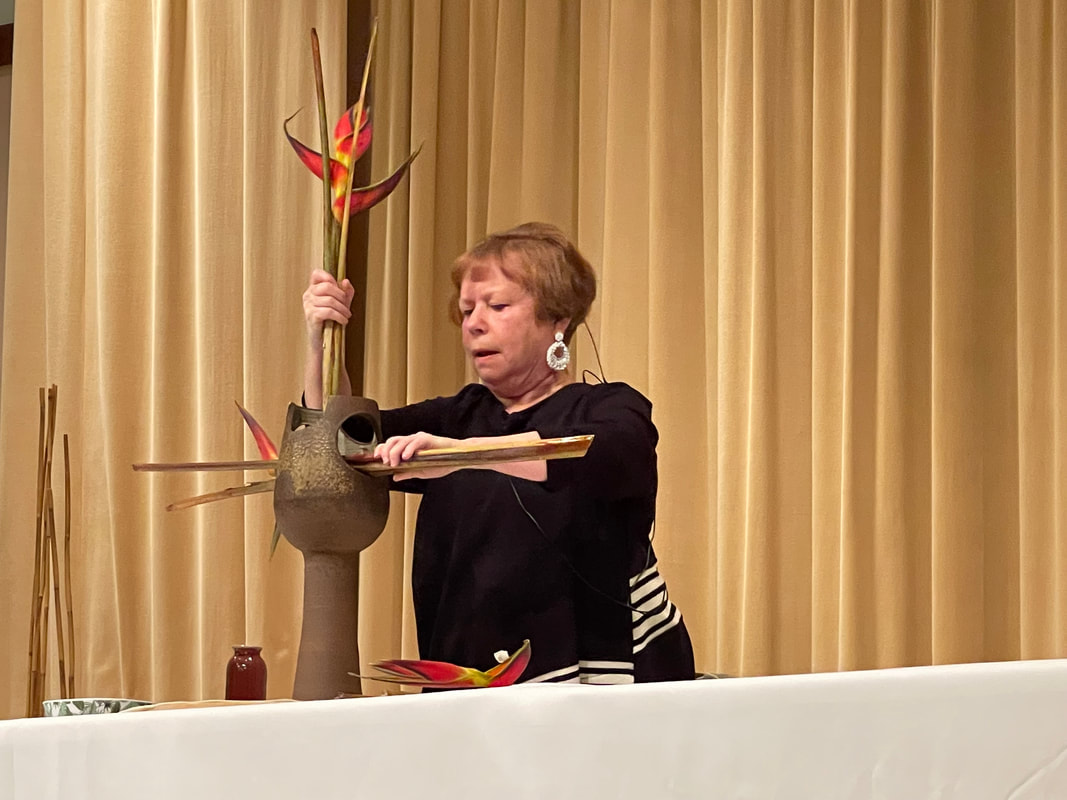
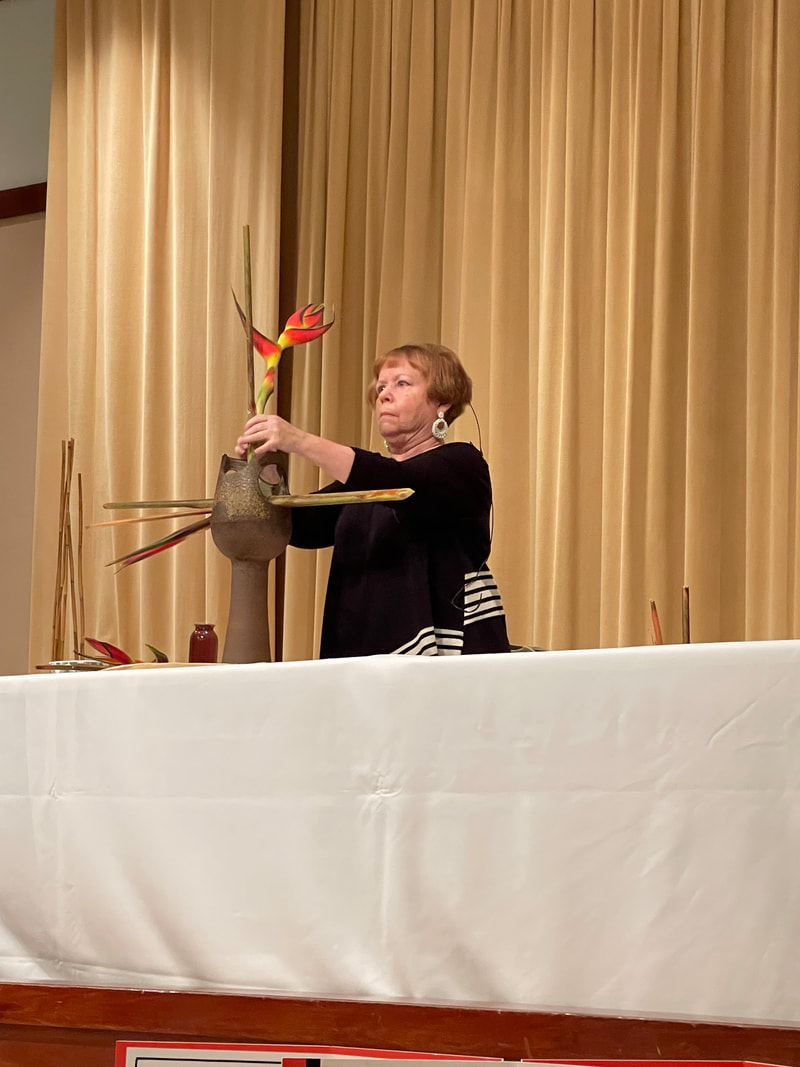
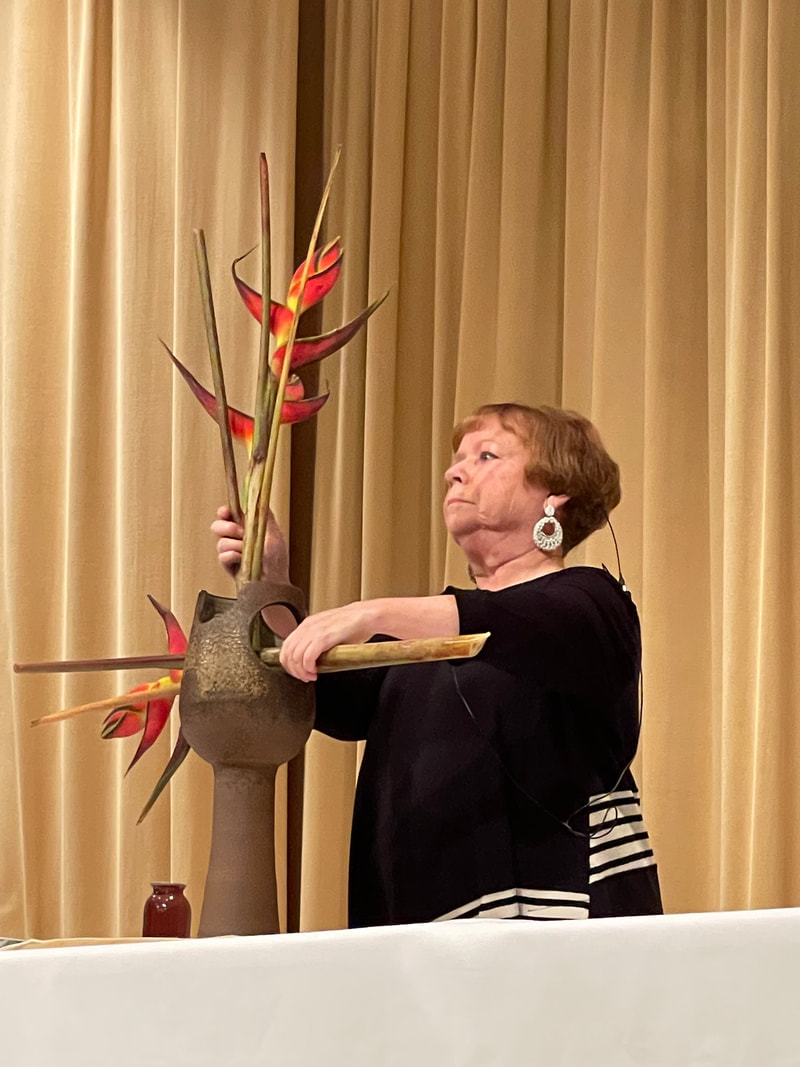
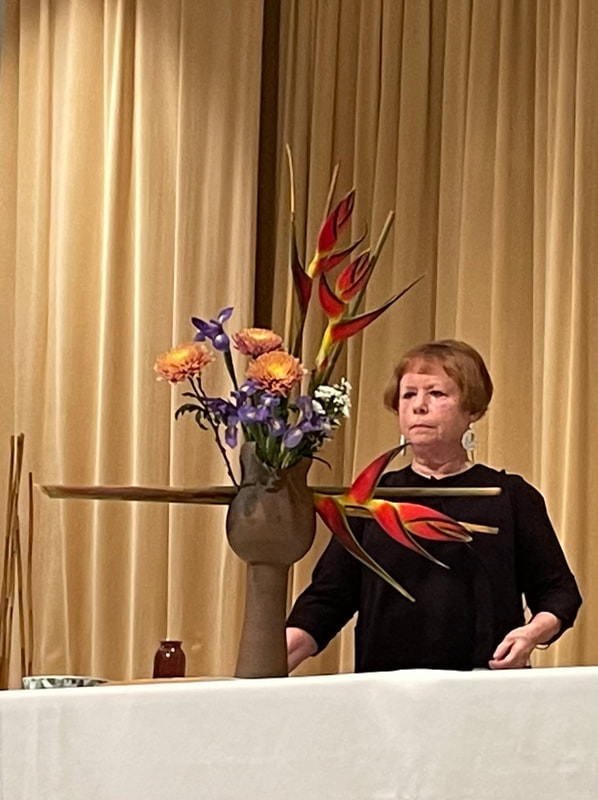
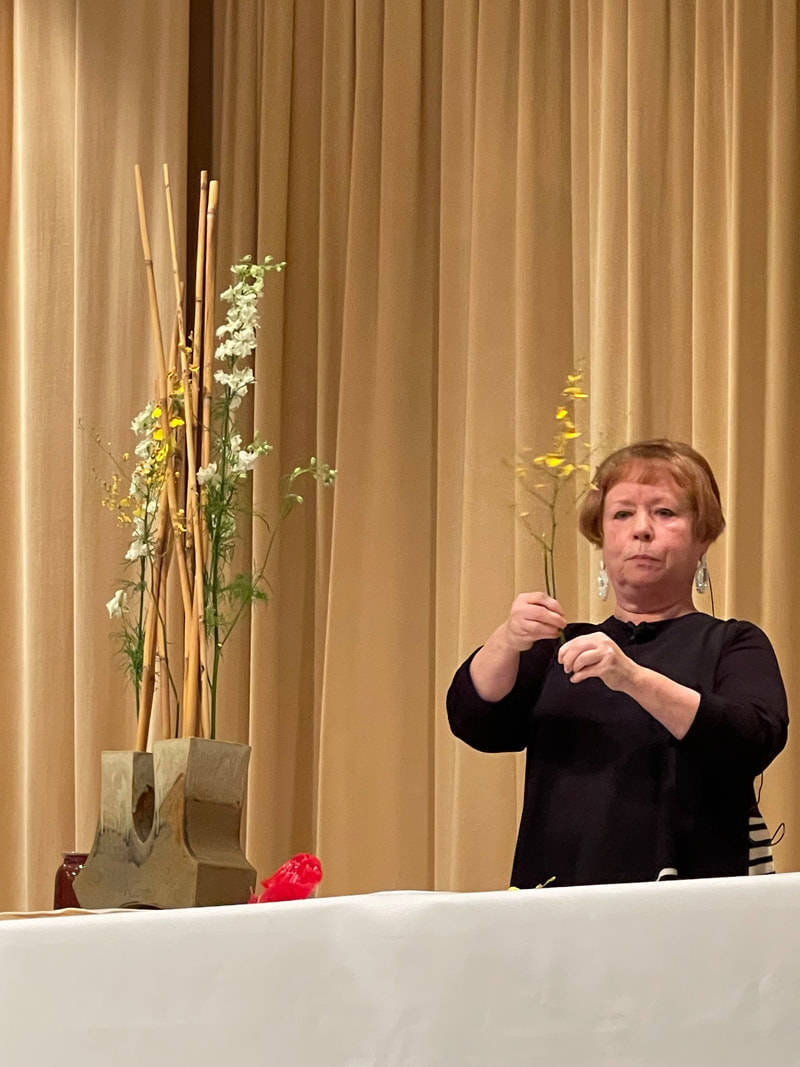
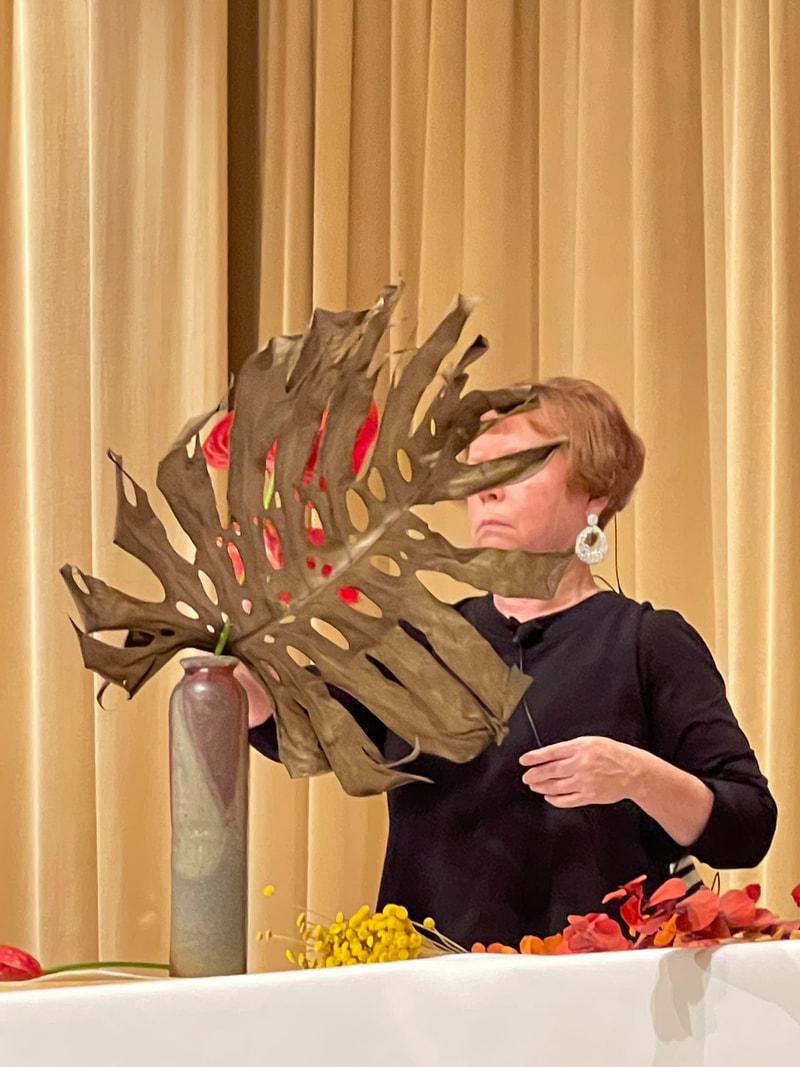
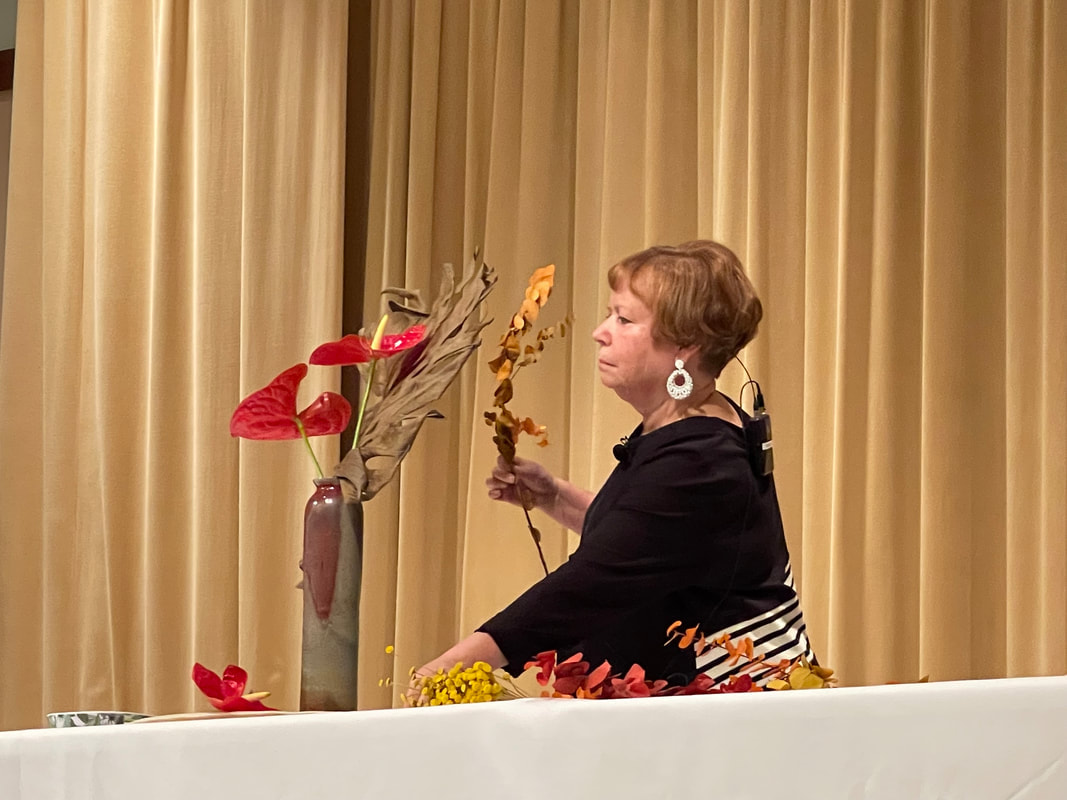
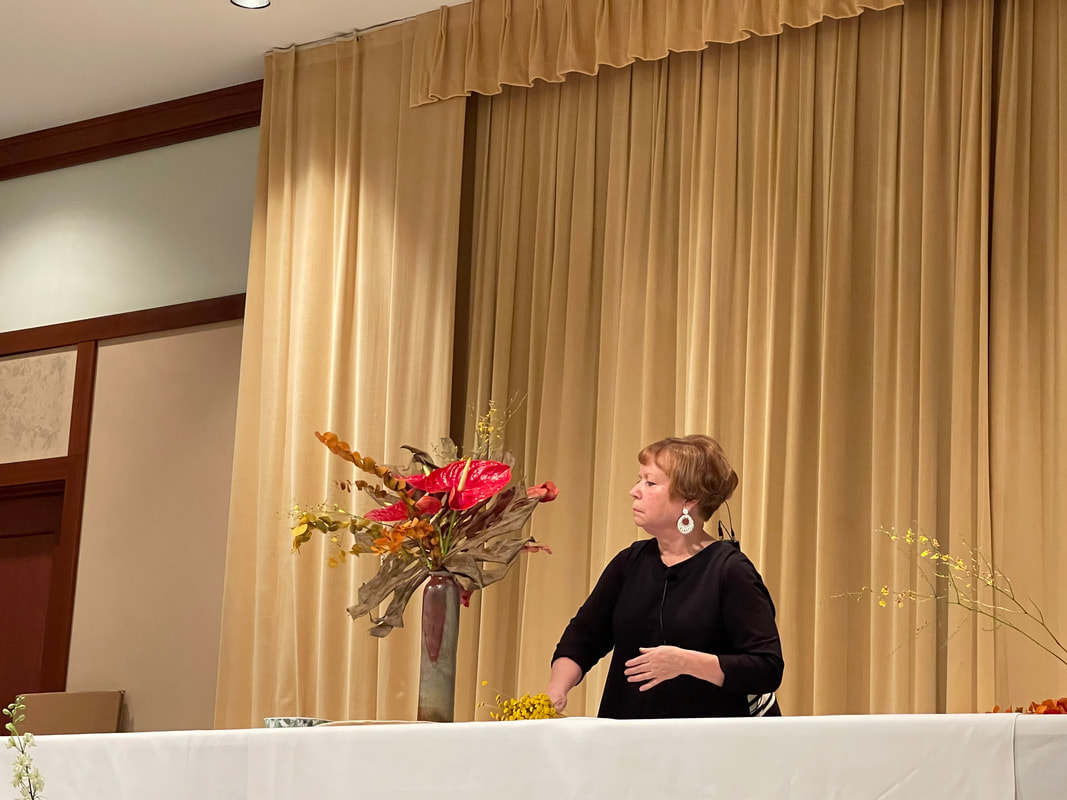
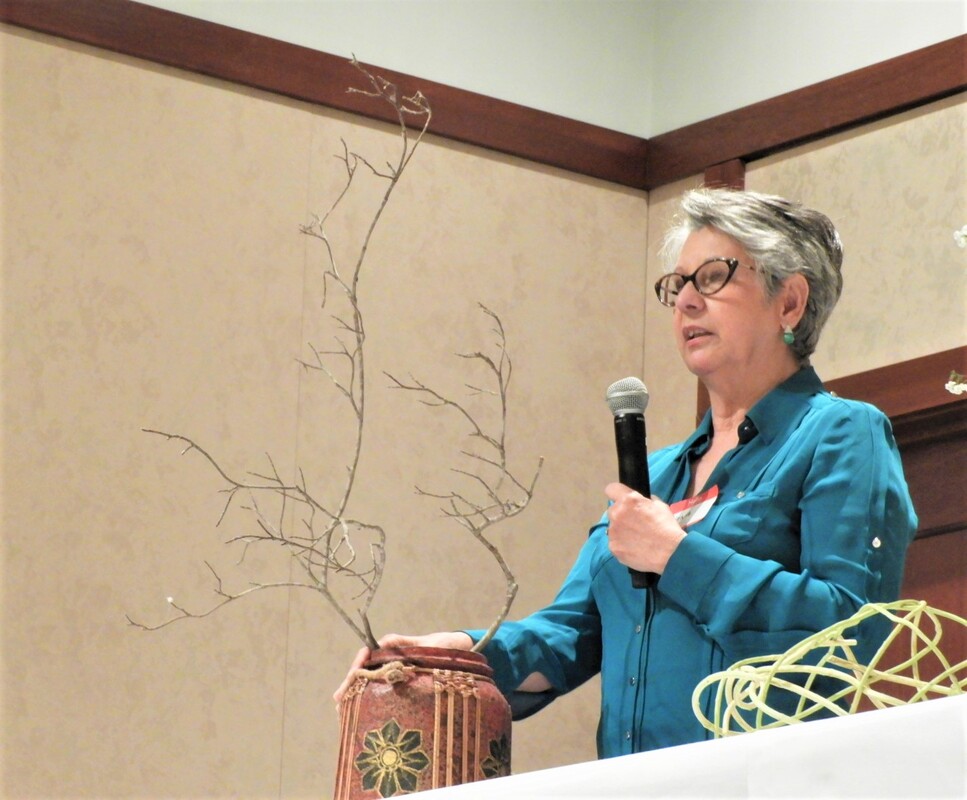
IOR welcomed in March with a burst of yellow. Elizabeth Biddle, a Level 10 Instructor of the Kado Sensho Ikenobo (KSI) School, treated IOR members to a celebration of International Women’s Day and a demonstration highlighted by yellow blooms. Accompanied by a slide presentation featuring an overview of the KSI School and tips on conditioning, Elizabeth demonstrated six artistic designs using seasonal materials.

The KSI School is based on the Philosophy of Wa (harmony), Kei (respect), Sei (purity) and Jaku (tranquility) which are integral parts of each design. As well as movement, depth and negative space. Kado is used instead of Ikebana because it refers not only to the beauty of the flowers but also requires manners, techniques, mental and physical training. It is considered to be one of the ”ways” of Japanese beliefs. The school focuses on a quick simple approach befitting today’s fast-paced lifestyle.

Elizabeth delighted the audience with her sense of whimsy and her creative use of line materials and flowers. Her sense of joy was expressed in all her arrangements as well as in comments to the audience.
Download IOR March 2024 Slide Presentation
Picture
Picture
Picture
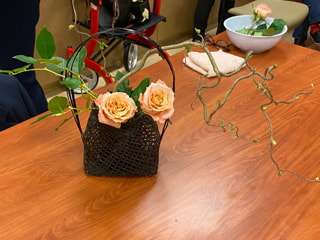
Arrangement and photo by Sandy Haigh
Lewis Ginter Botanical Garden Gift Shop
Enhancing Nature, Basically Workshop

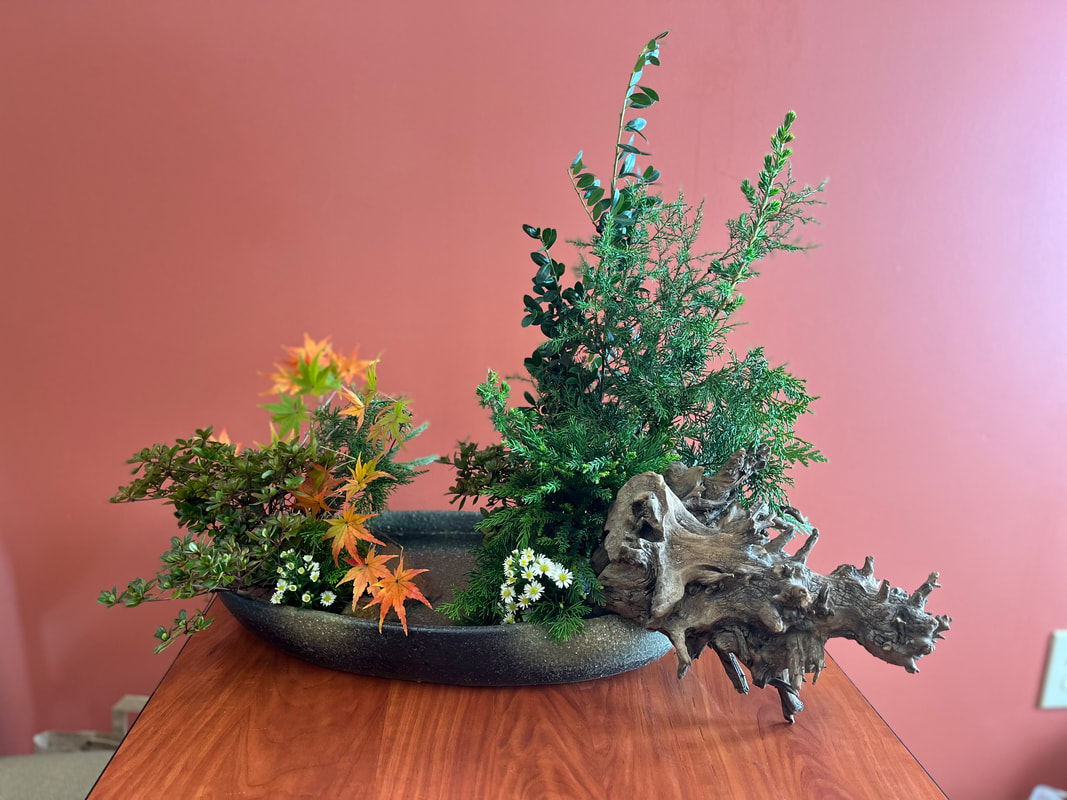
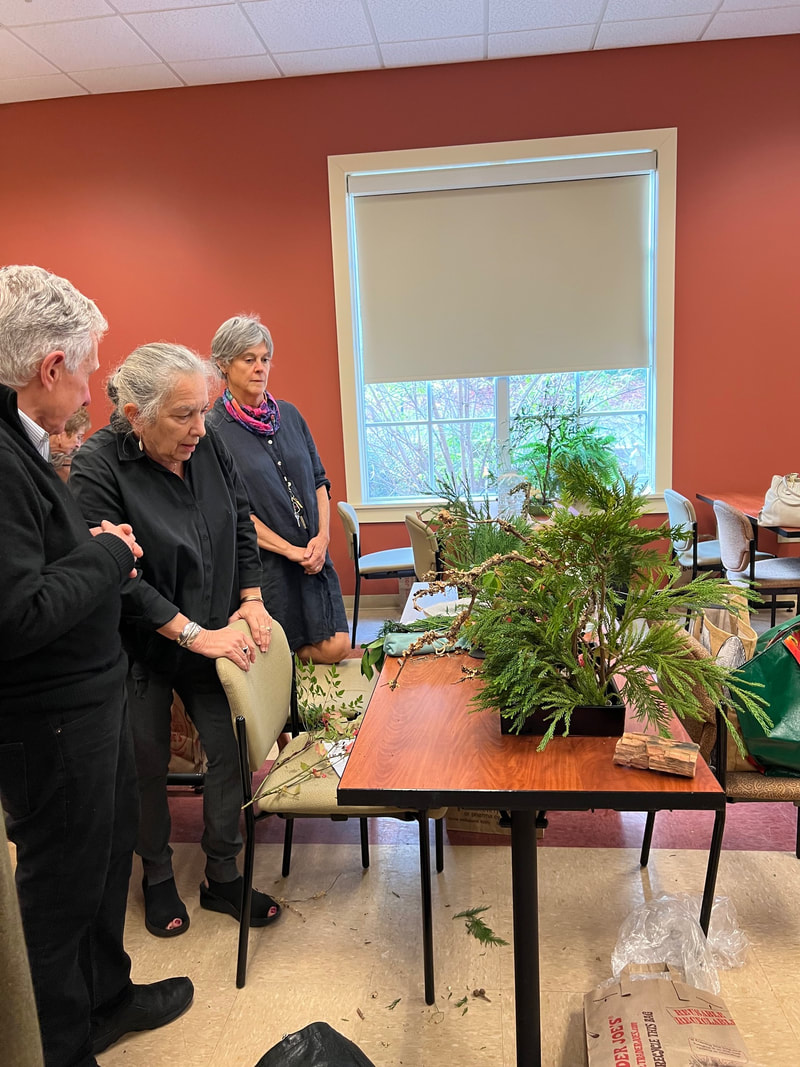
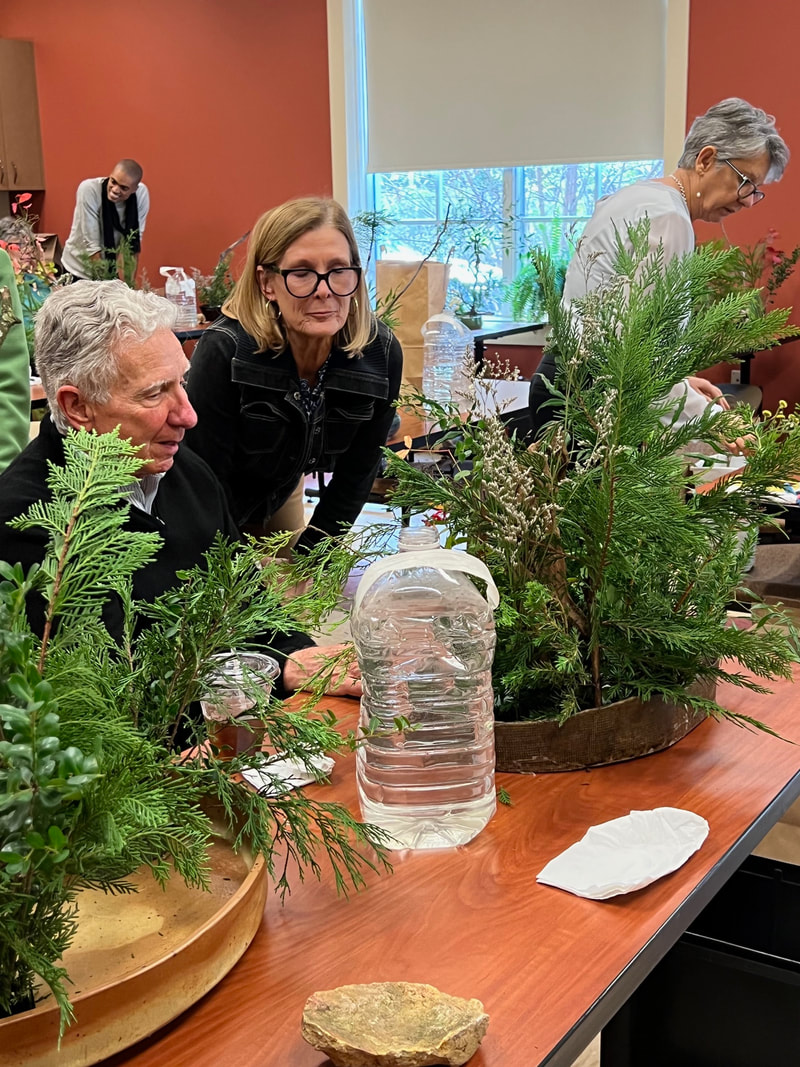
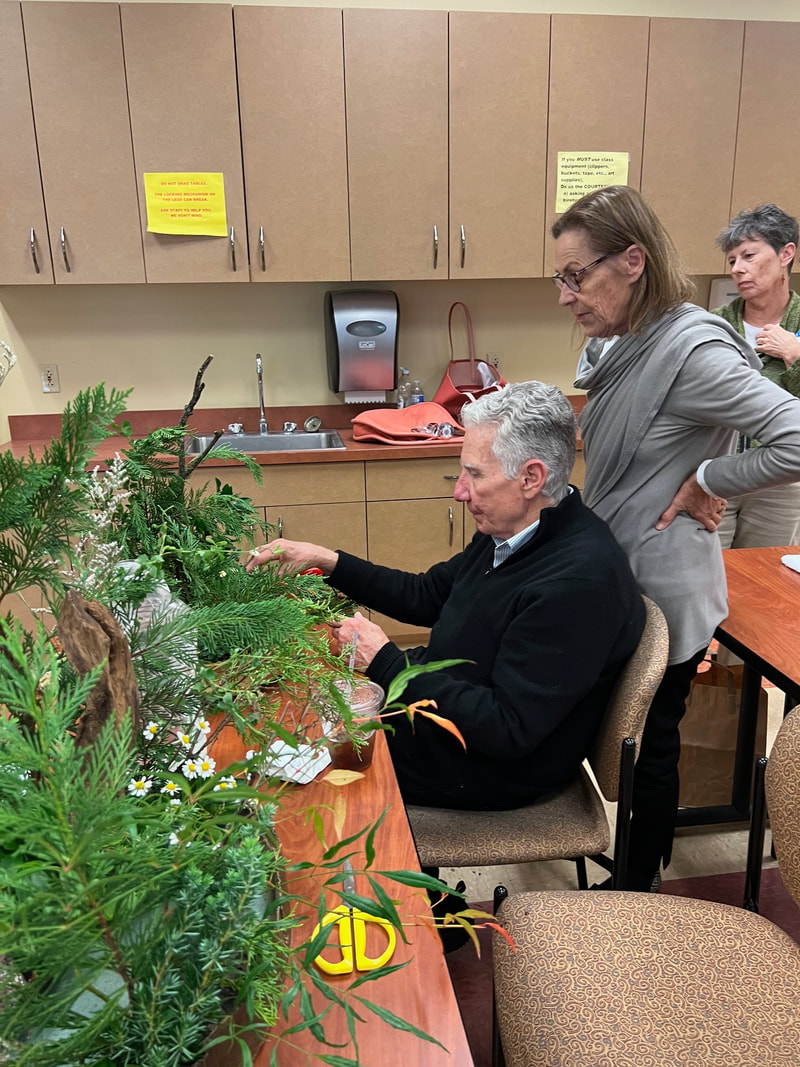
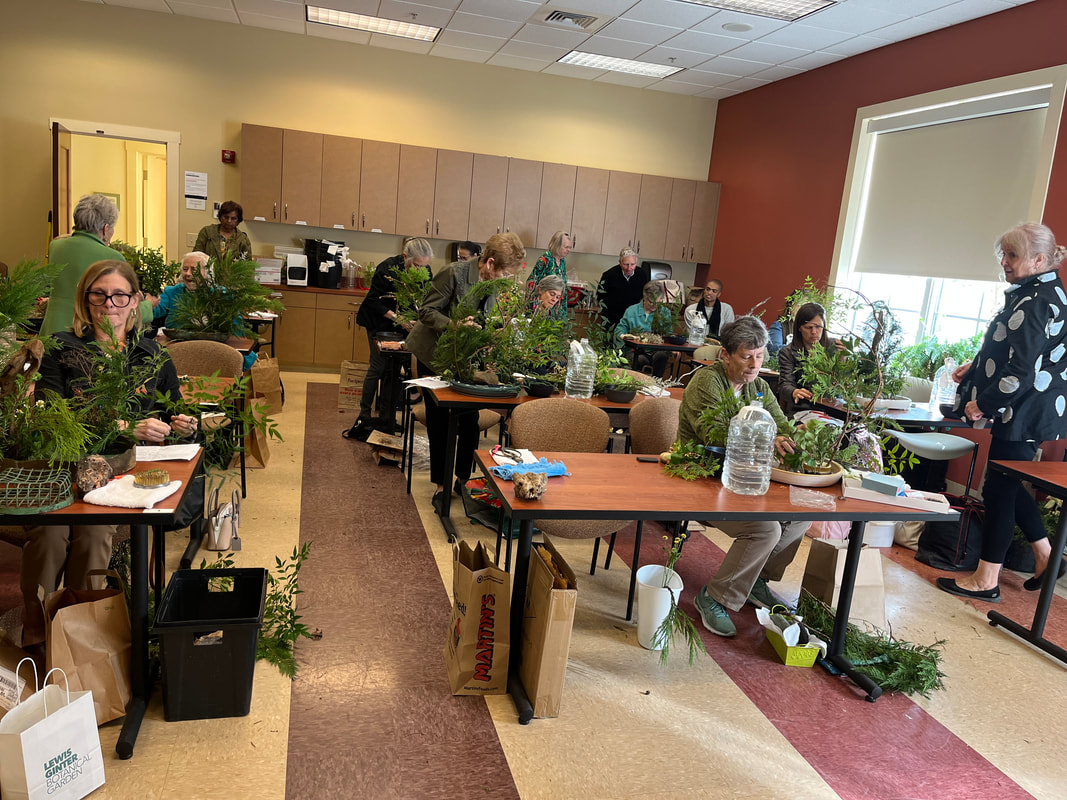
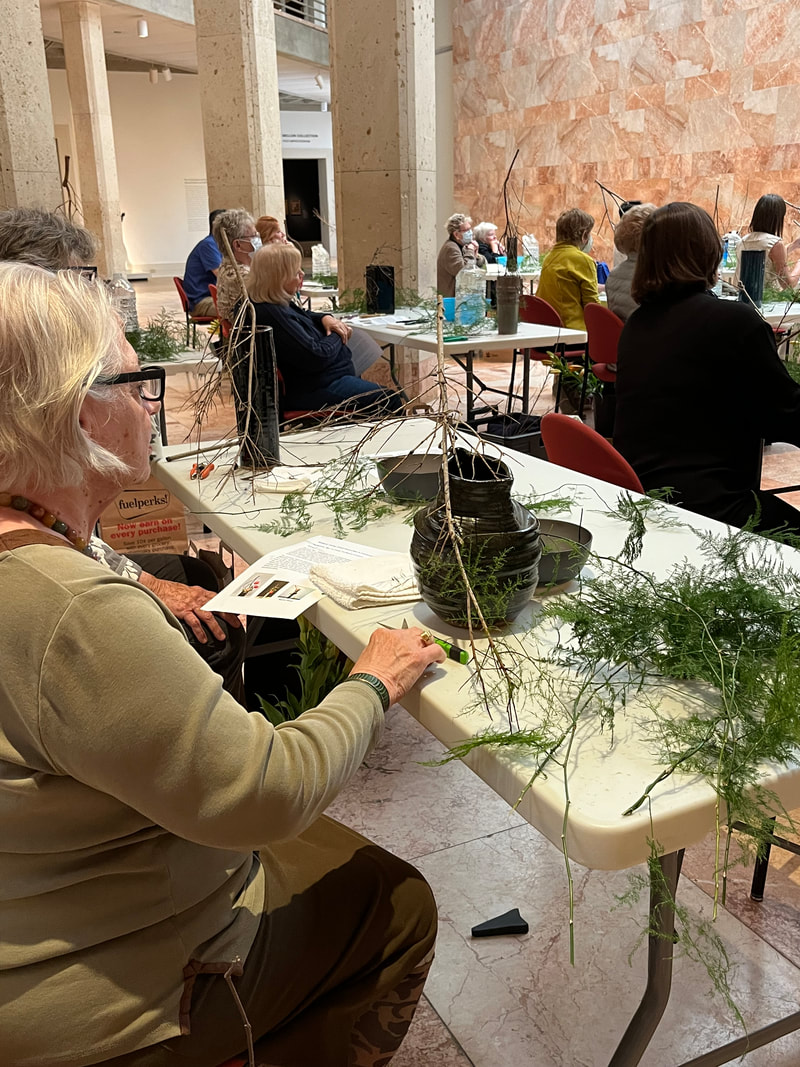
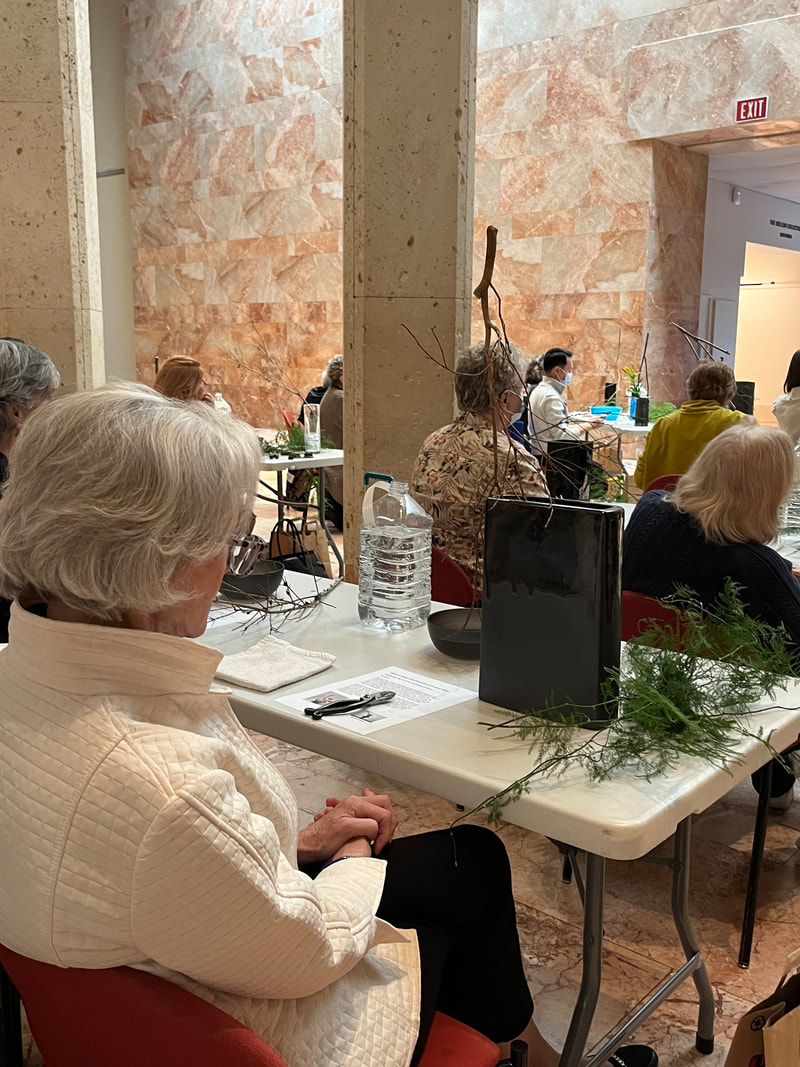
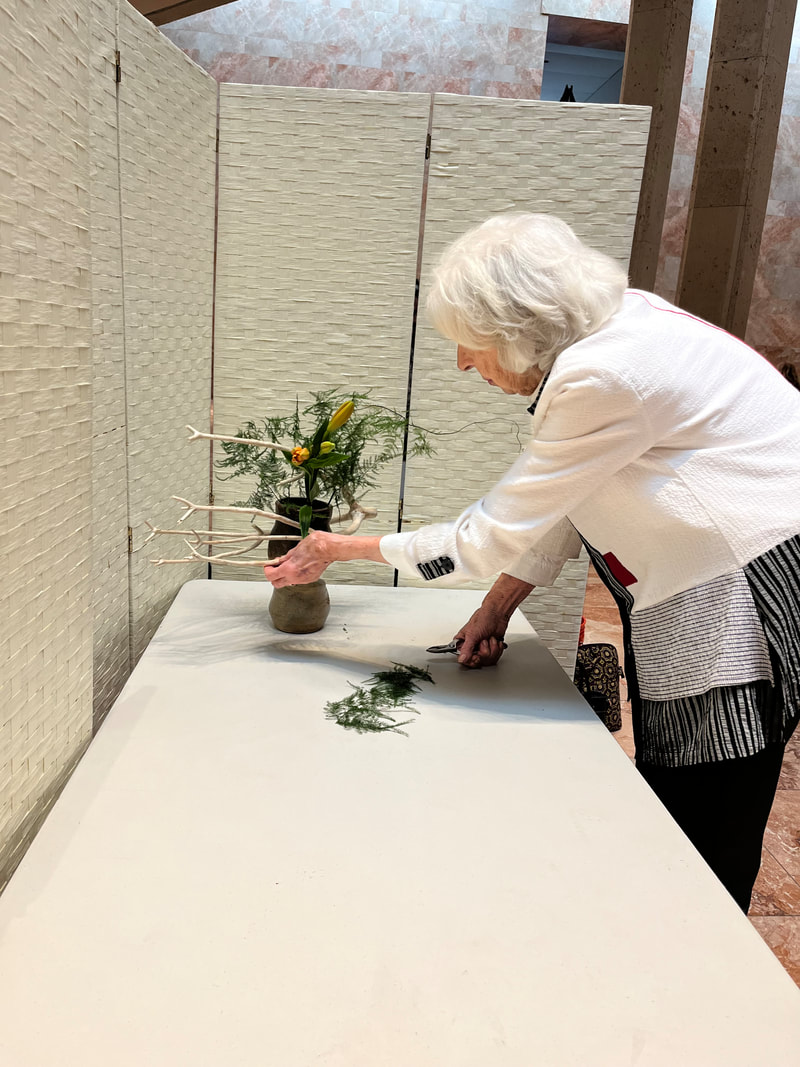
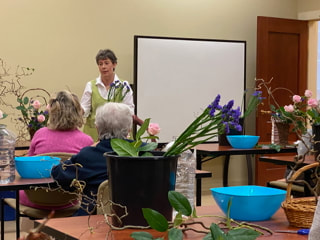
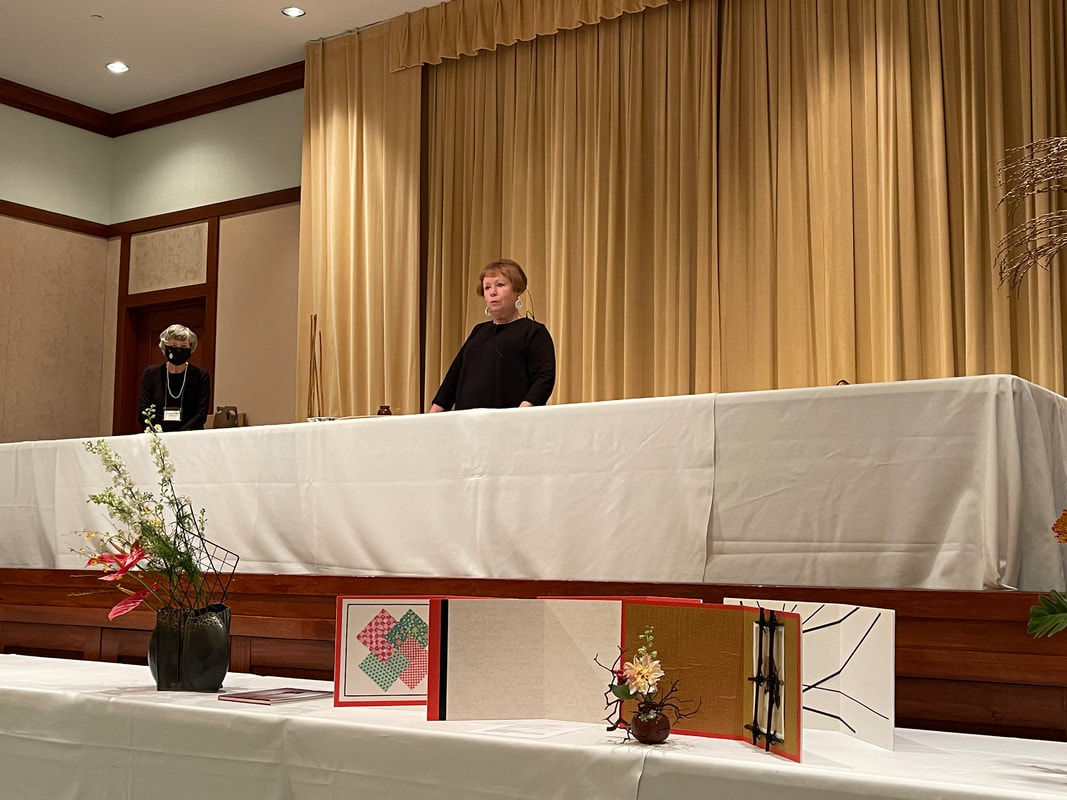
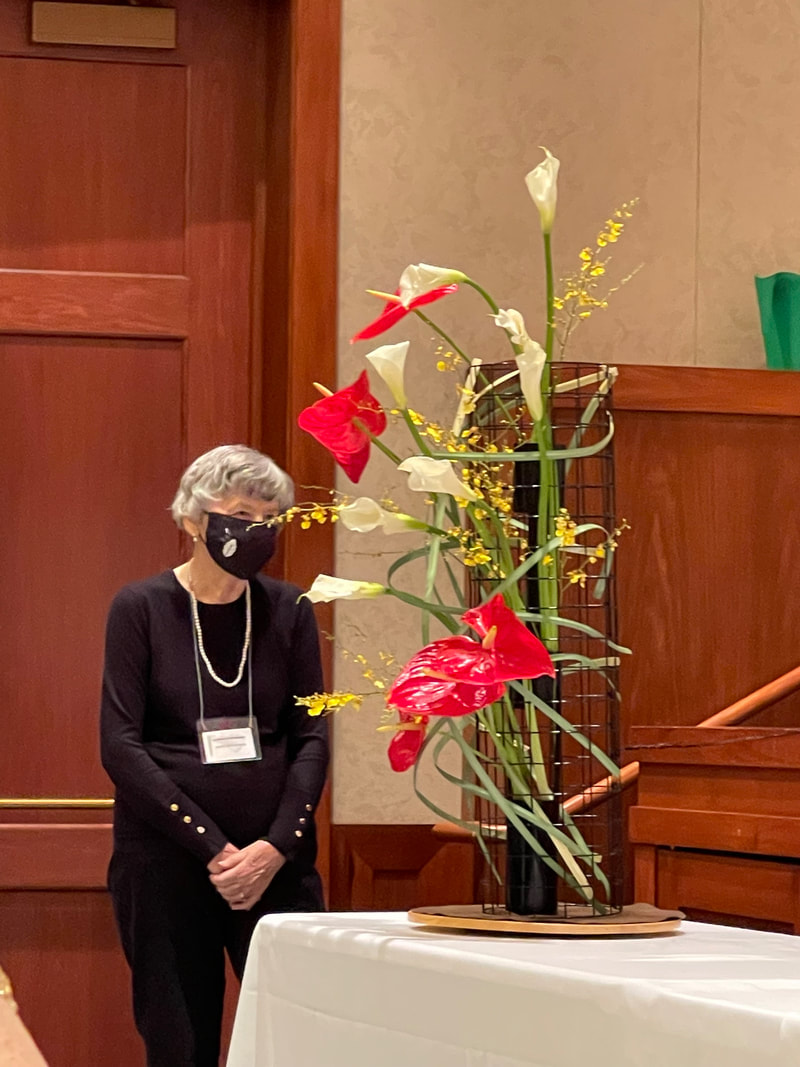
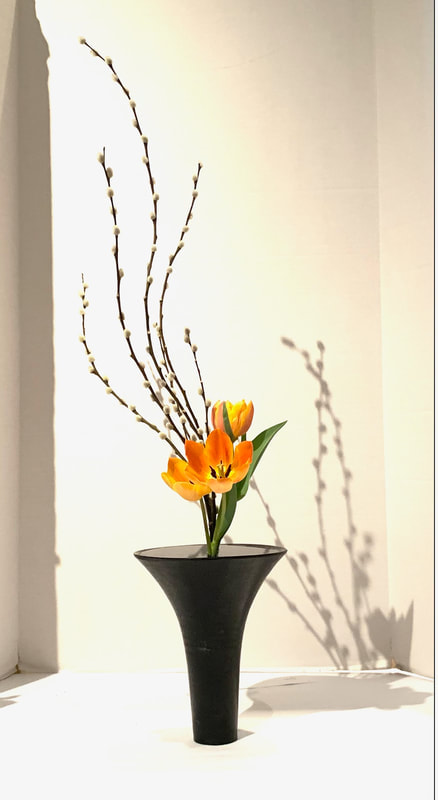
The afternoon workshop lead by Elizabeth Biddle was attended by 21 students representing six of IOR's schools, new members and guests. Sensei Elizabeth's instruction centered on components of Kado Sensho Ikenobo arrangements - line, angle, placement and their significance or meaning. Starting with a calming chime for all in the room, she taught by illustration and by demonstrating with the plant materials. Her line materials were pussy willow or poet's laurel and the flowers were daffodils. Students then enthusiastically chose from the line materials available and began their arrangements. The results were all beautiful and quite varied. With expert and kind guidance, the arrangements were then critiqued. Often overheard was "does your arrangement give you joy?"

Japanese Traditional Instruments

2/1/2024

 
Our February program and lovely Maymont was a wonderful exploration of Japanese traditional musical instruments and music. Yumiko (Yumi) Hwang and her associate Thomas Fulks, who are members of the River City Taiko headquarterd in Richmond, treated us to a slide presentation featuring photos of Yumi’s family and temple home. In addition, they brought Japanese drums and smaller instruments which they played for us. The assortment of handmade Taiko drums ranged from about 18 inches to 30 inches in diameter. In addition, Yumi brought her great grandmother’s harp which featured a hand carved horizontal wooden case approximately six feet long and had many strings. While Yumi is still learning to play this complex instrument, she shared its wonderful ethereal sound with us.
Yumi was born and raised in the Buddhist temple in Yamaguchi prefecture in Japan. She studied ballet, but in 2012 became a Taiko player. Besides being a performing member of River City Taiko, Yumiko has collaborated as a guest artist with Kenny Endo, Taiko master in Hawaii, and UnitOne in California. In Japan, the Taiko is believed to be the most powerful spiritual purification instrument, and it is understandably Yumiko’s favorite. The Taiko as well as the stands are handmade by a River City Taiko member.
The program ended with an exciting performance on the Taiko drums by Yumi and Thomas which fully demonstrated to the enjoyment of all their artistry and skill.
Picture
Arrangement by Annette Ernst
Picture
Arrangement by Yumiko Hwang

Playing Japanese Traditional Instruments Workshop

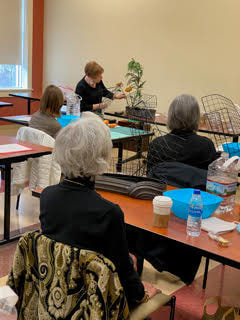
​The workshop following the program resulted in the public introduction of the first two Ikebana of Richmond Taiko ensembles. Yumi Whang demonstrated Taiko techniques to two groups of five participants.  Some members were asked to keep time with drumsticks or play special hand-held instruments to accompany the drums. Players were able to experience drums in all sizes each of which had its own special sound and touch. By the end of the workshop, the two ensembles performed a complete song with Yumi acting as maestro. 
This workshop was all about letting go and having a blast!

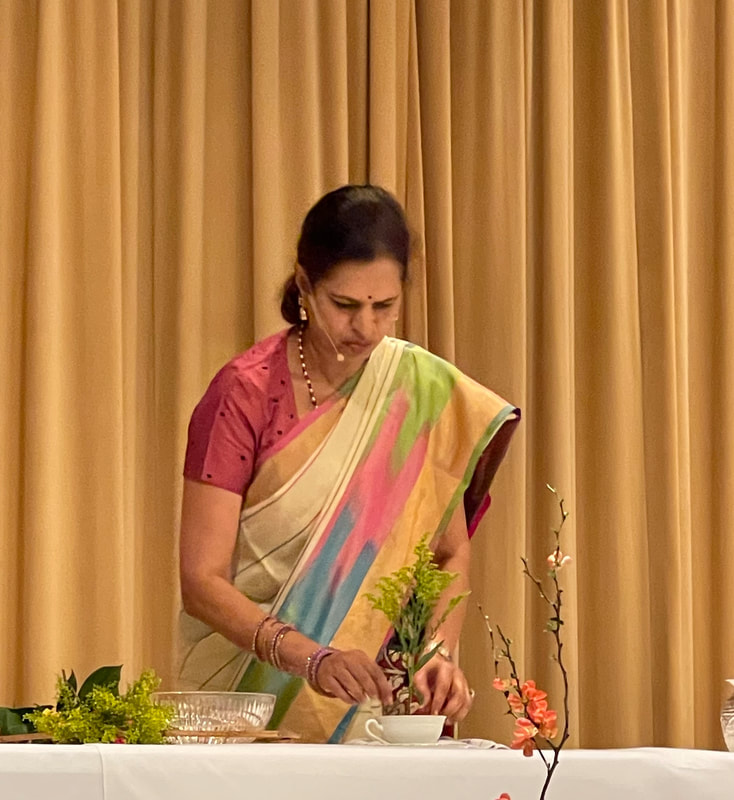
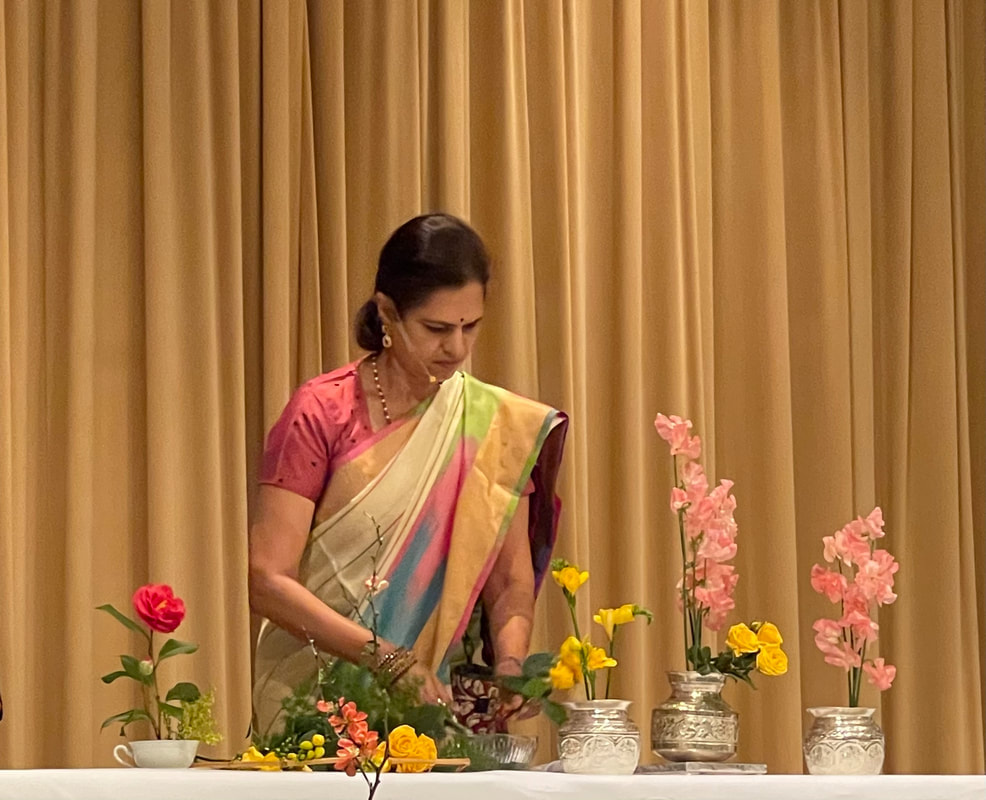
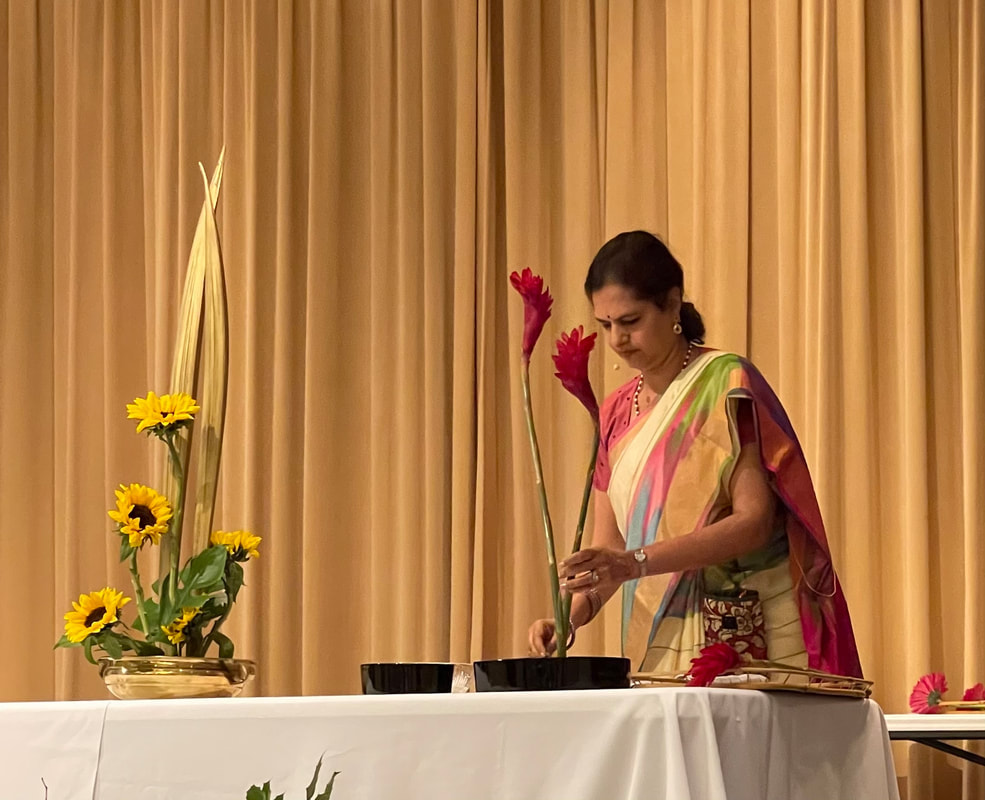
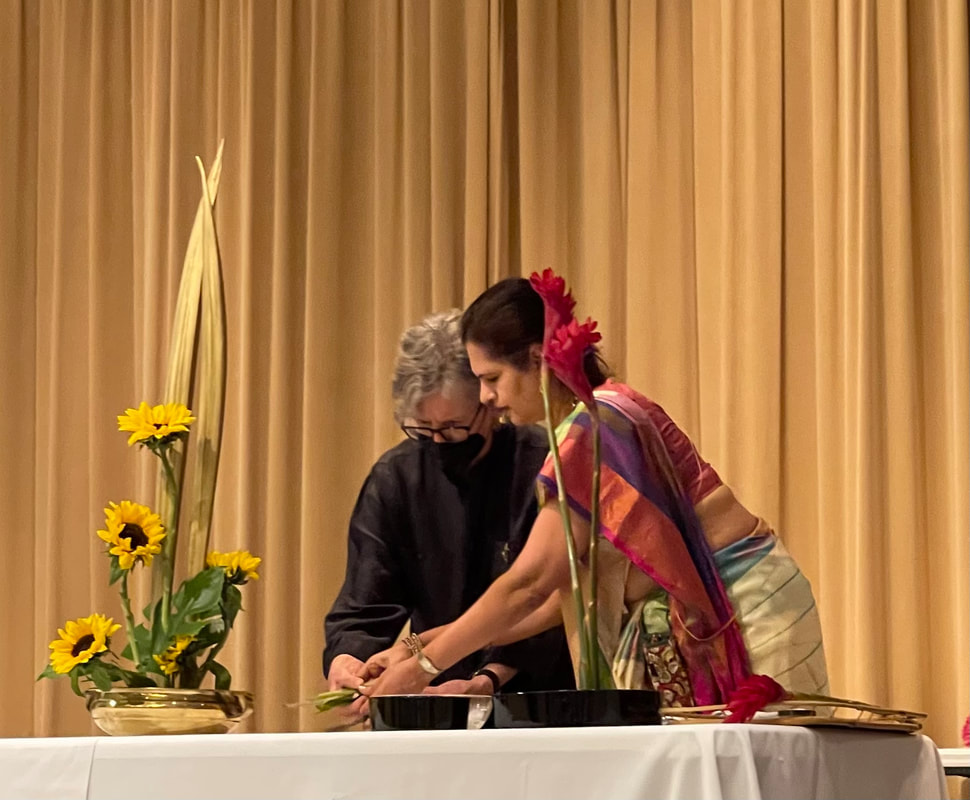
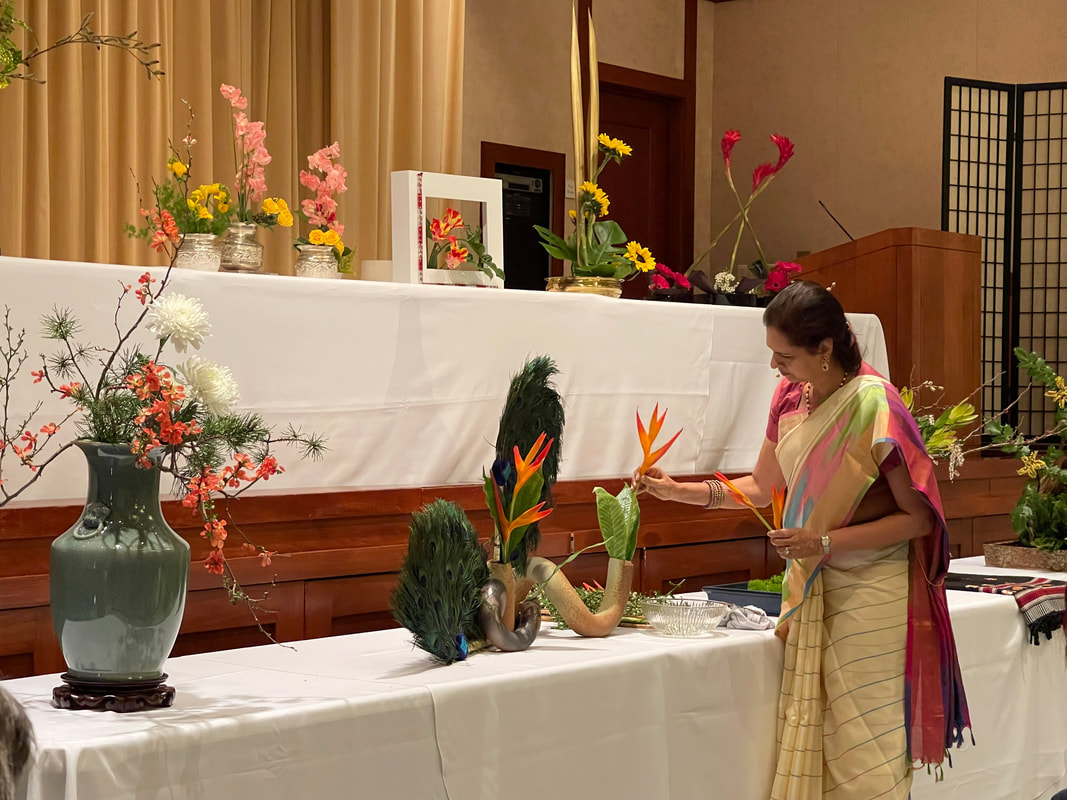
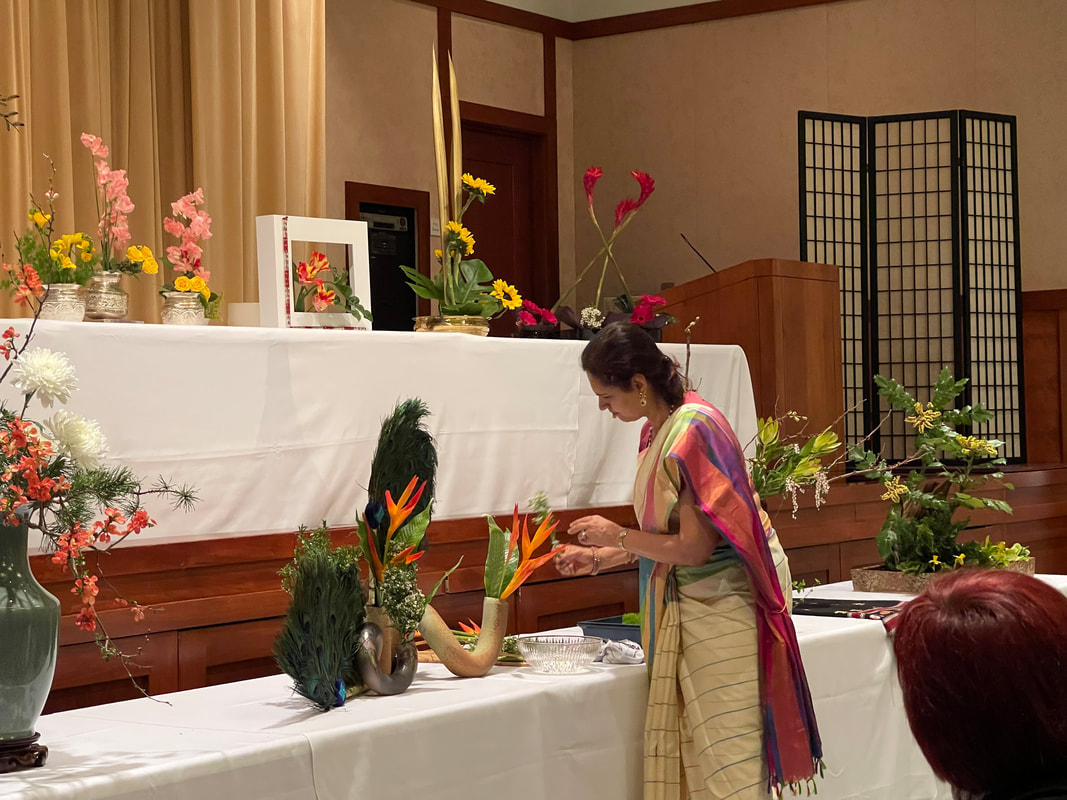
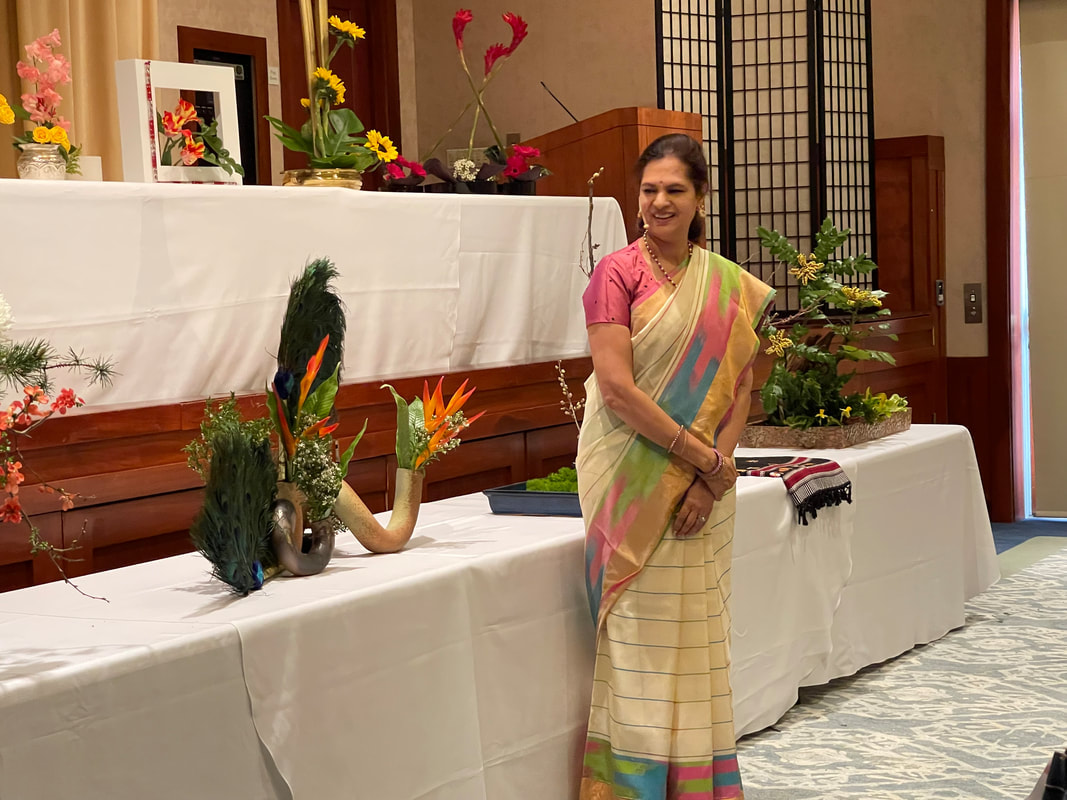
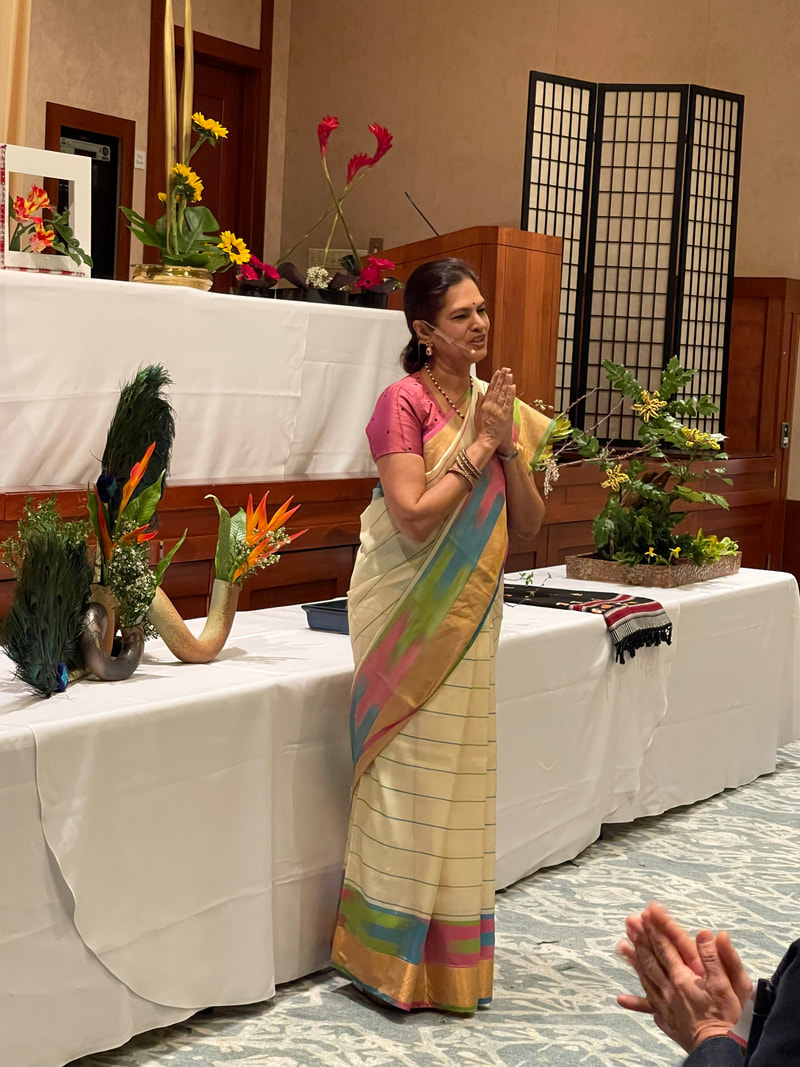
Ellen Gordon Allen Annual Lecture/Demonstration by Joan Fairs, Master Instructor of the Sangetsu School of Ikebana

11/2/2023

 
In November, our Ellen Gordon Allen (EGA) program featured Joan Fairs, a Sangetsu Master Instructor, from Vancouver, Canada. She has studied in Japan, Tucson, AZ, Los Angeles, CA and Vancouver. In addition to teaching Sangetsu Ikebana, Joan has demonstrated and exhibited in a variety of venues as well as providing Ikebana arrangements for heads of state at an international conference.

Joan has been practicing Ikebana for over 40 years. She first took up it up at the suggestion of her step-mother who suggested she might enjoy arranging fresh flowers in a natural Japanese style. Indeed, she did enjoy it, so she continued studying and became an instructor in 1995. She attained the top designation of Master Instructor in 2013. She is also a member of the Sangetsu Directive Council and has been President of the Vancouver Ikebana Association three times.

Along the way, Joan also studied Commercial Floristry at Kwantlen University and enjoys providing florals for weddings and special events.

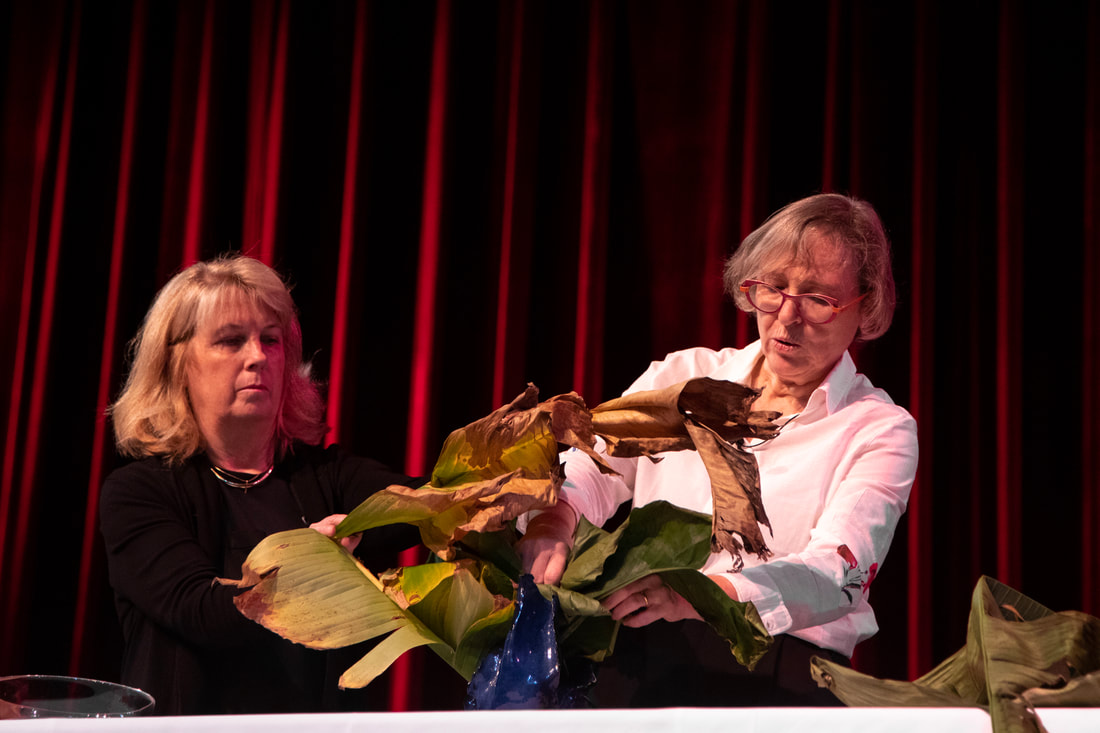
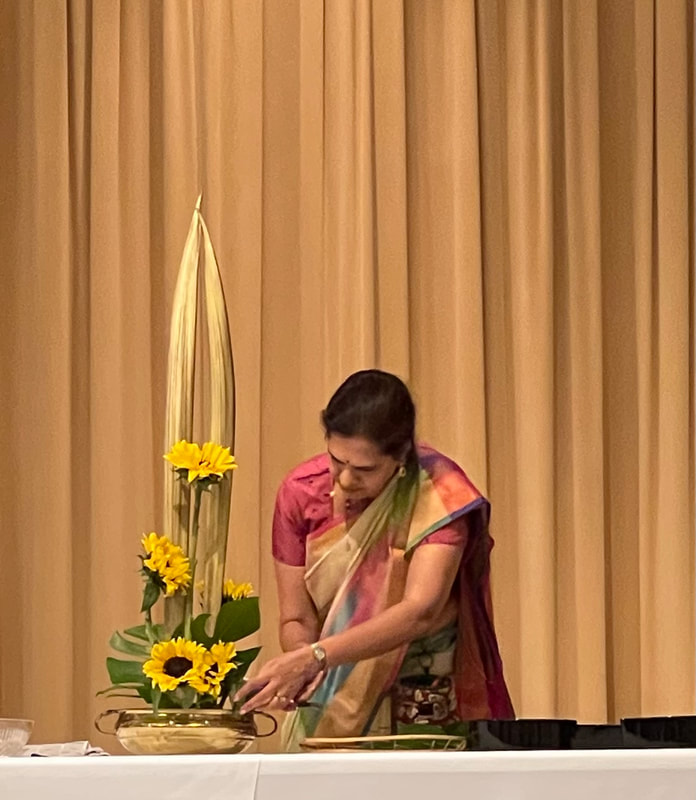
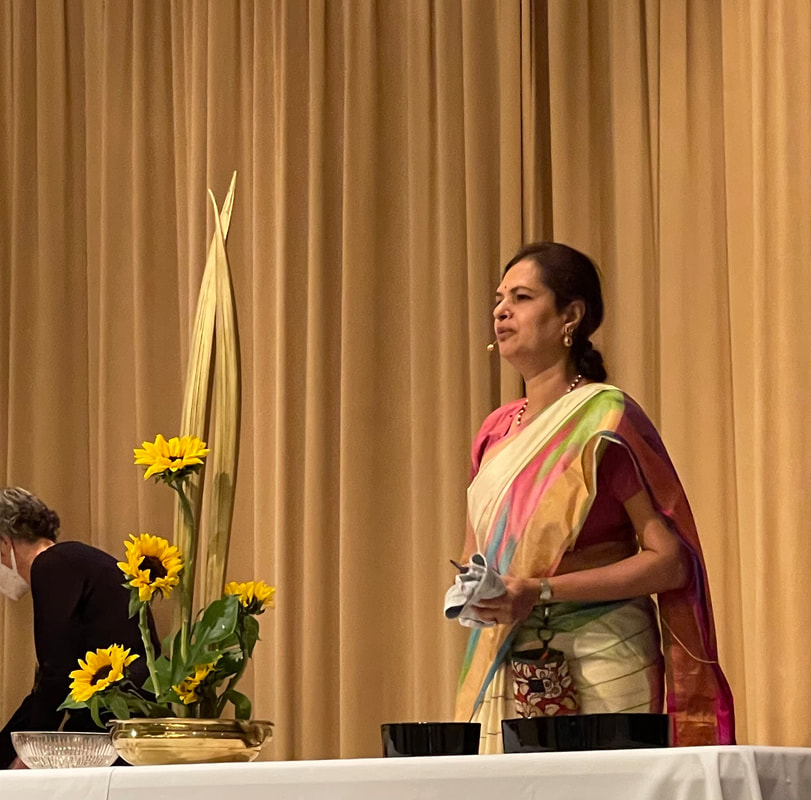
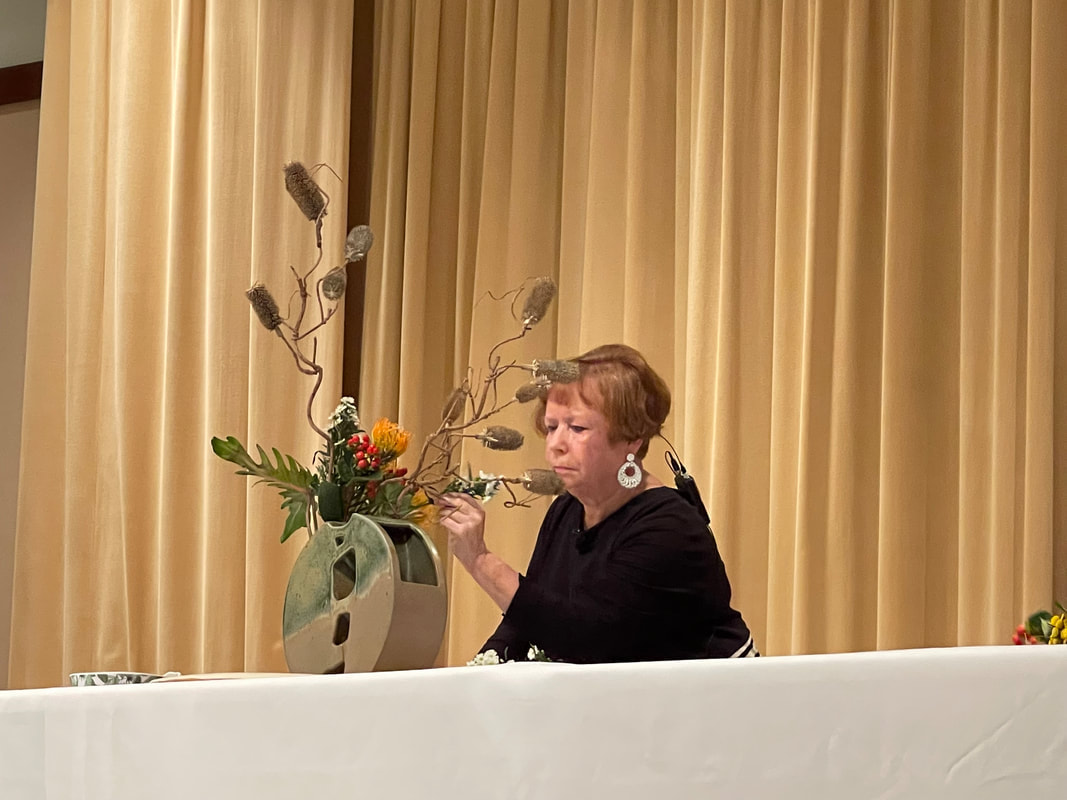
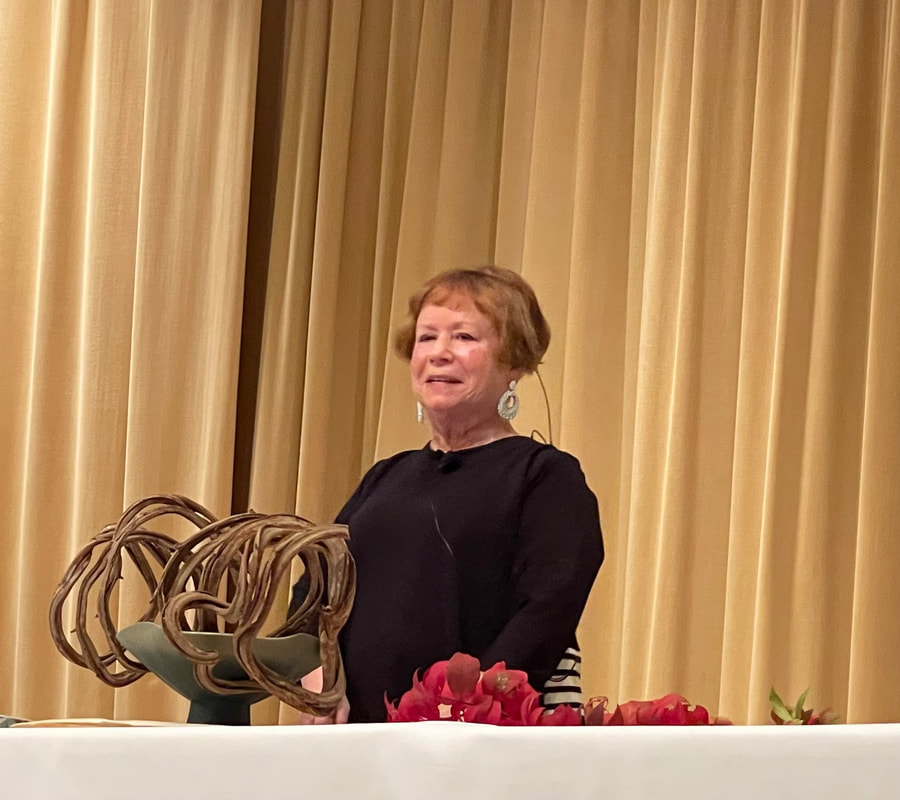
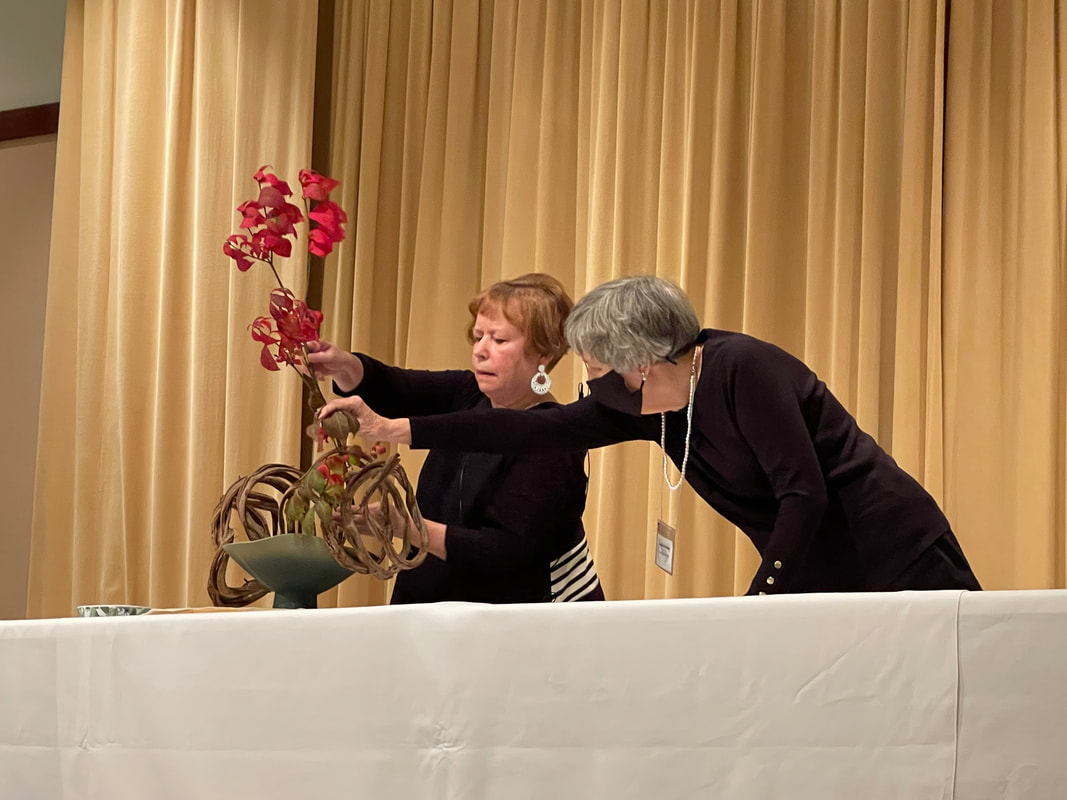
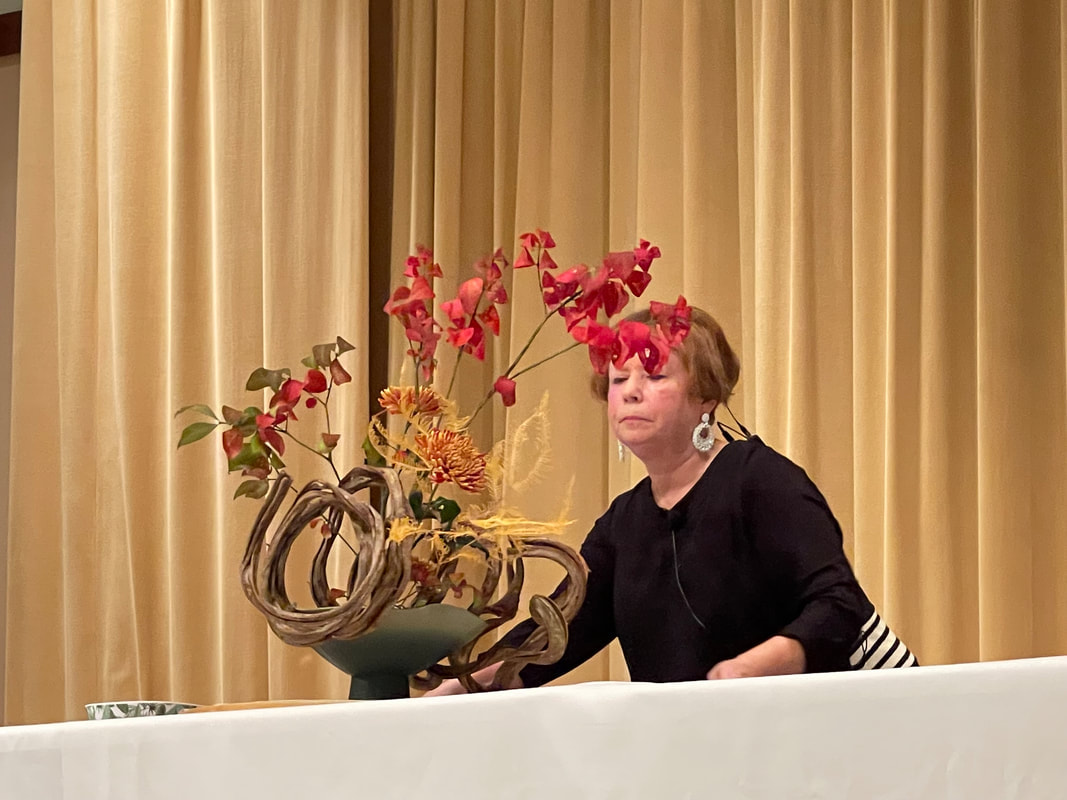
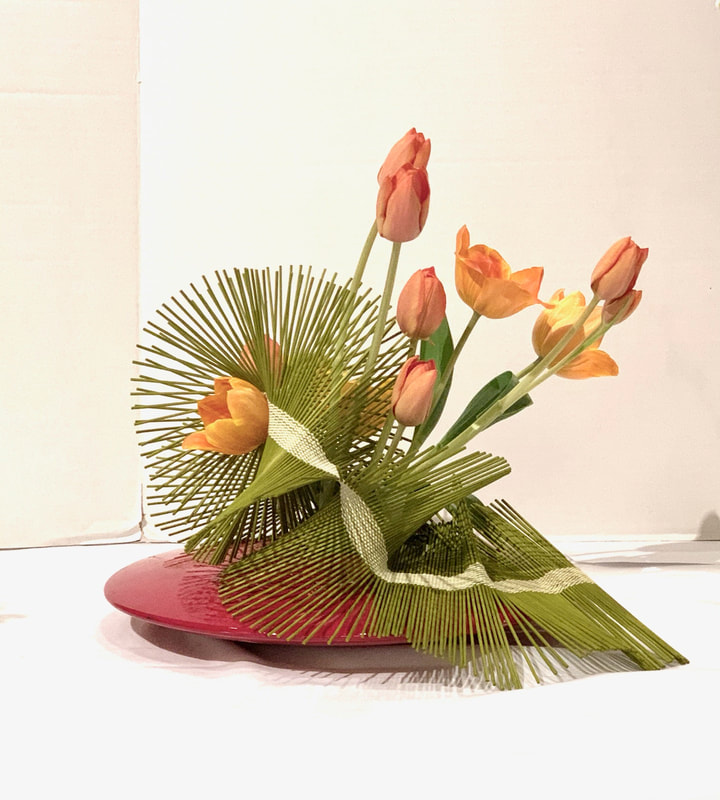
​In her delightful IOR Program entitled “Ikebana Around the House,” Joan presented seven charming tabletop designs suitable for the home in containers ranging from a basket to unique containers created by Helena Arouca. We were also fortunate to have assisting Mary Jane Sasser, a Sangetsu teacher who presented a program to IOR in 2022.
Picture
Picture
Picture
Picture
Picture
Picture
Picture
Joan Fairs Workshop Planes and Mass
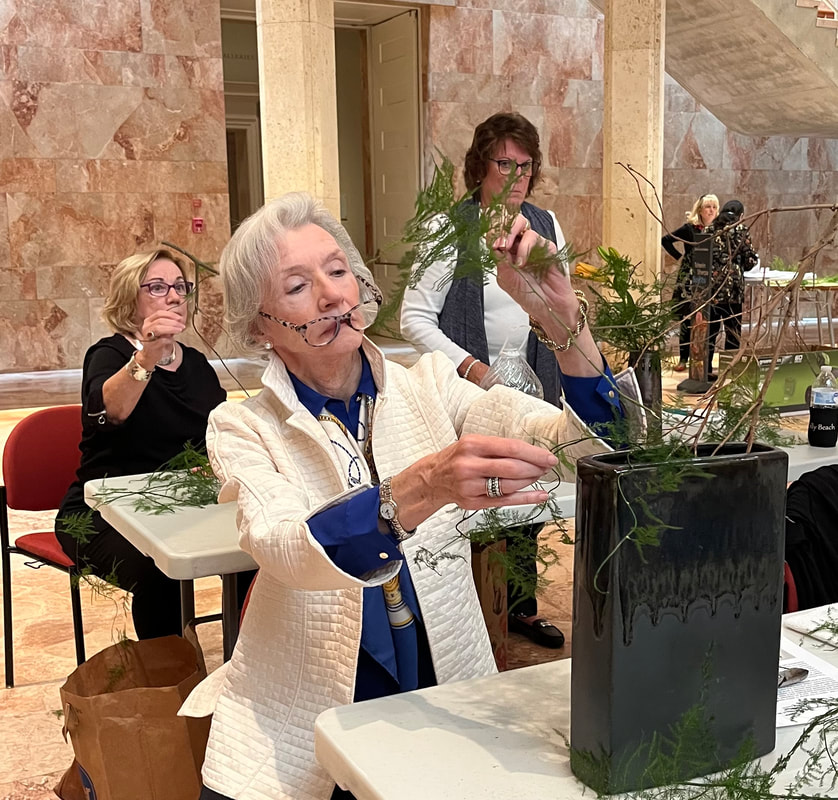
After the wonderful Sangetsu program, Joan Fairs taught participants how to arrange a moribana design using chrysanthemums, fancy fern and solidago. Energized by Joan’s thoughtful presentation, every one went to work with delight and put their creativity to work. The day ended with smiles all around.​
Picture

Artistic Expressions Reflecting Autumn Featuring Fruits, Vegetables, Nuts and Seeds

10/5/2023

 
​The October program opened with a haiku which set the stage for our demonstrator/members who were celebrating the bounty of the season with freestyle morimono.
Picture
​Libby Haynes followed by describing the origins of the traditional morimono in the Edo period of Japan and displaying an example of a traditional morimono. This exhibit served as a contrast to the freestyle designs which were created during the program.
Picture
Entitled Artistic Expressions Reflecting Autumn Featuring Fruits, Vegetables, Nuts and Seeds, the program featured three IOR members from different Ikebana schools. Each explained their approach based on the principles of their school while demonstrating their creativity. The members in the audience were treated to three masterful presentations that reflected the individual artistry of each designer.

(Please click on photos to enlarge.)

Helena Arouca represented Sangetsu.
Picture
Janice Whitehead represented Ikenobo.
Picture
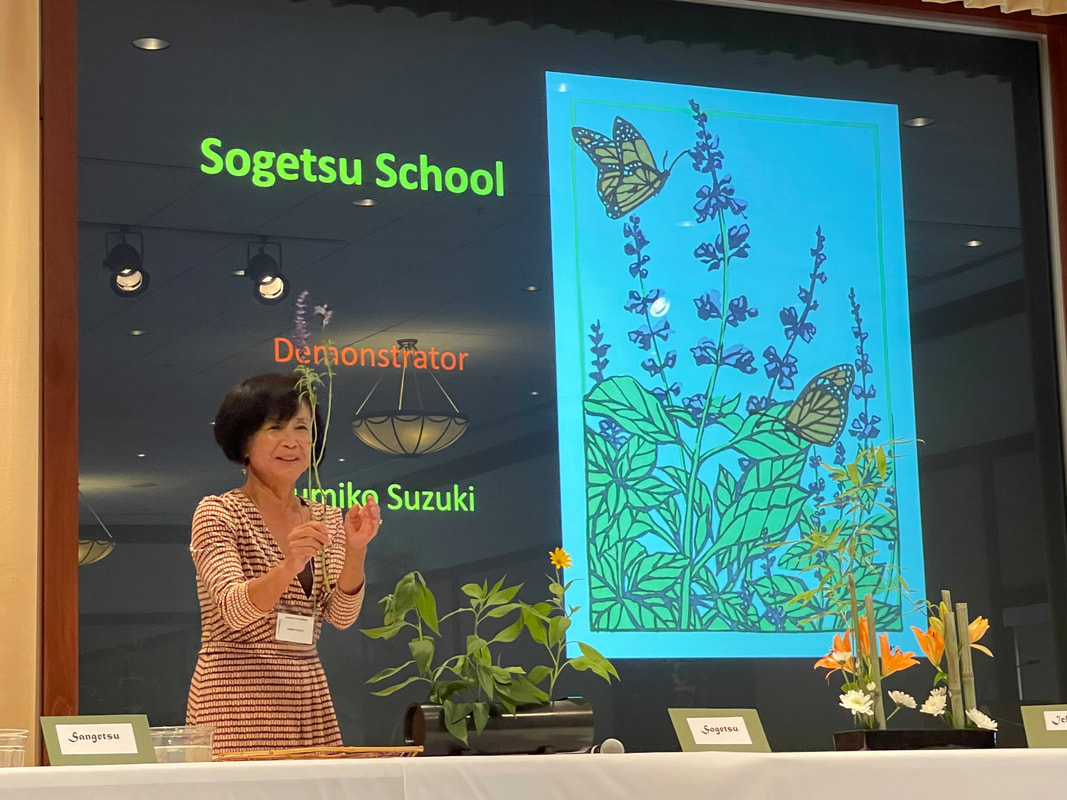
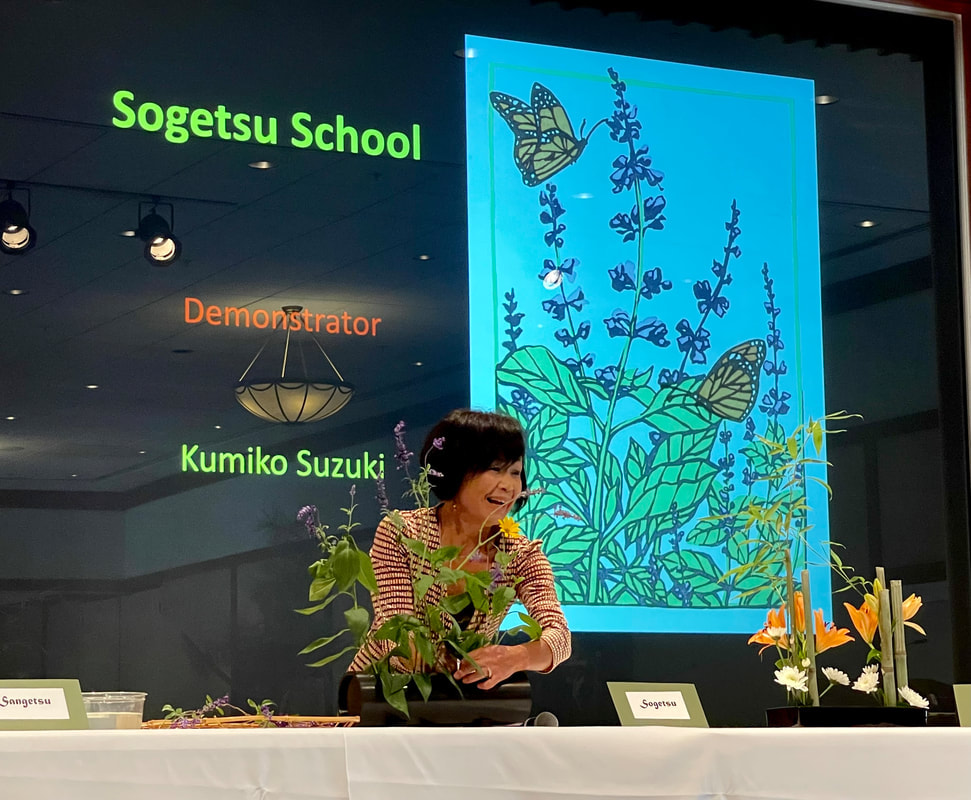
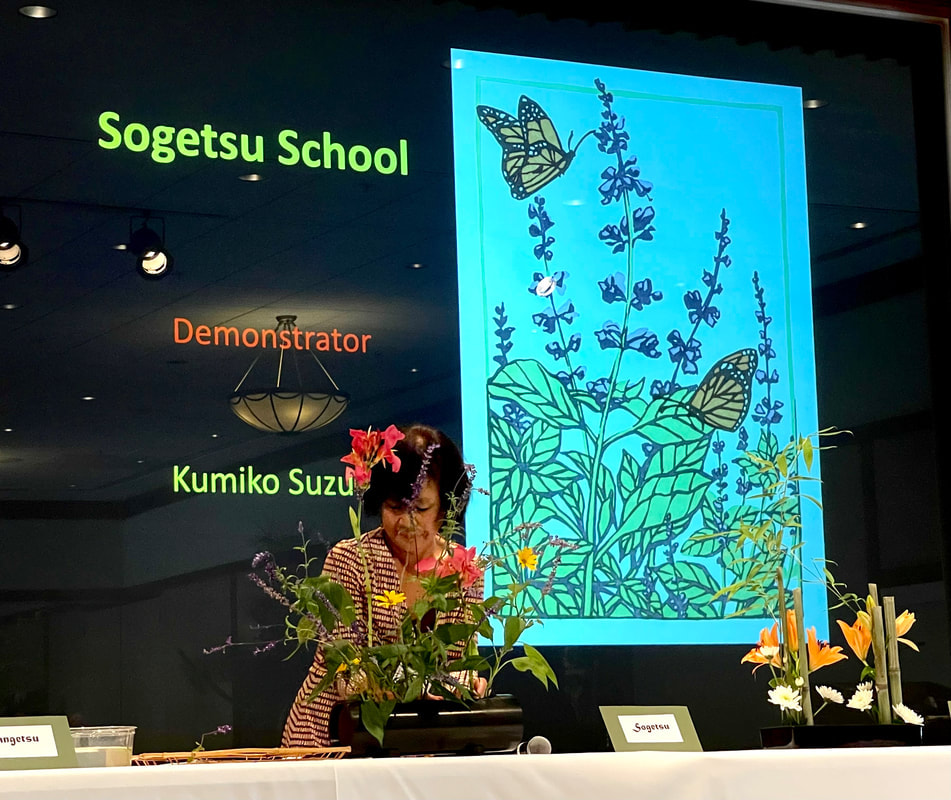
Kumiko Suzuki represented Sogetsu.
Picture
The program concluded with tips about handling fruits and vegetables in arrangements. The presentation from the program, a list of plant materials for consideration and the workshop handout are available for members to download at the end of the articles.

Freestyle Workshop
​The workshop which followed was led by Libby Haynes who demonstrated multiple designs. Libby began studying Ikebana in 2006 and is a Jonin Somu of the Sogetsu School as well as a former president of IOR. Following her lead and with her encouragement, participants from different schools allowed their artistry to flow and enthusiastically explored the outer limits of freestyle morimono.
Three designs Libby demonstrated during the workshop.
Libby also demonstrated how to incorporate red onion skins in an arrangement.
She also built a martini glass design.
Picture
Finished martini arrangement.

Download IOR October 2023 Presentation
Download Plant Materials for Consideration
Download Workshop Handout

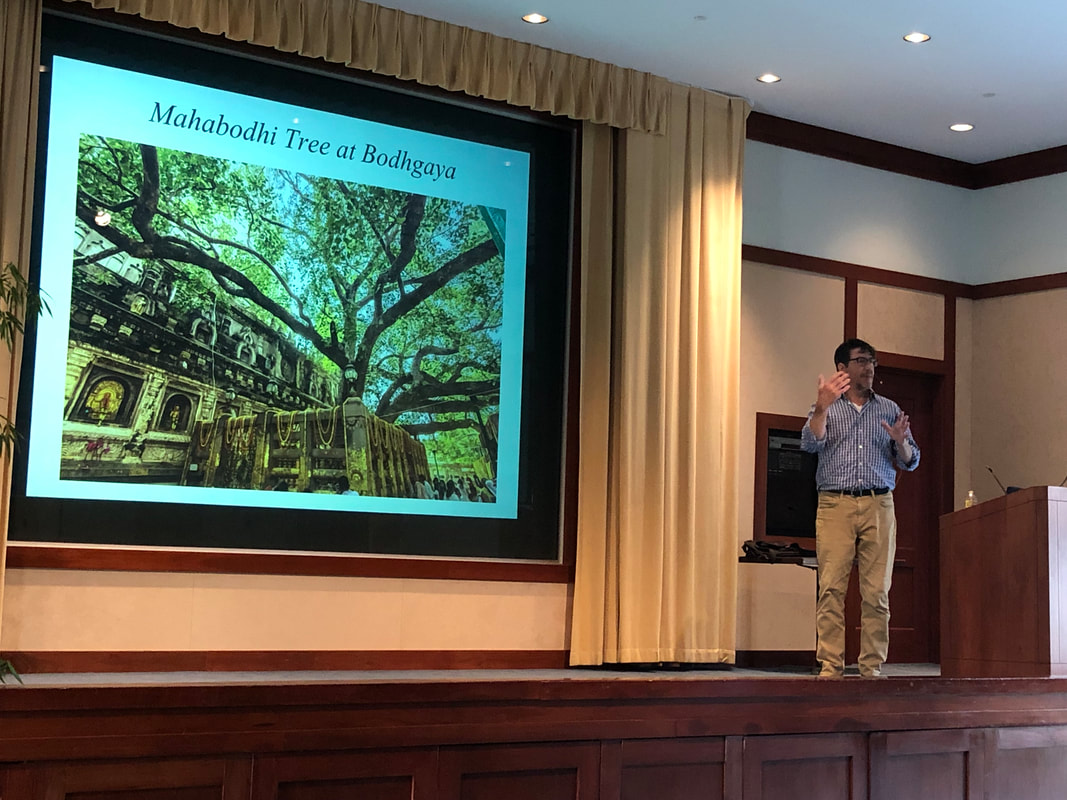
"Just a Brief Stop": Arboreal Buddhisms of Japan - Timothy A. Brown, PhD

9/7/2023

 
The September IOR program featured Timothy Brown, PhD who took members on an enchanting journey through Japan illustrating the relationship to trees and nature that is intrinsic to Buddhism and the culture. We learned about the origins of the Buddhist connection to nature in Japan, and how this was expressed through art, poetry and most recently a new practice called “forest-bathing” which is the seeking of calm and quiet among trees. He underscored these centuries old traditions by focusing on three Japanese Buddhist poet-monks whose work he highlighted in his
presentation: Saigyo, Basho and Ryokan.

Dr. Brown is an Associate Professor and Chair of the Department of Religious Studies at Randolph-Macon College where he has taught for 15 years. He has a Ph.D. in Religion from Syracuse University, an MA from New York University, and a BA from Wabash College. Dr. Brown teaches a broad range of classes in Religious Studies, including courses on Buddhism, Hinduism, Asian Religions, Native American Religions, New Religious Movements, Religions and Ecology, and travel courses on Japanese Religions. His recent research interest is “arboreal religion,” which uses a comparative approach to examine tree-human relations in traditional and contemporary religions and spiritual traditions.

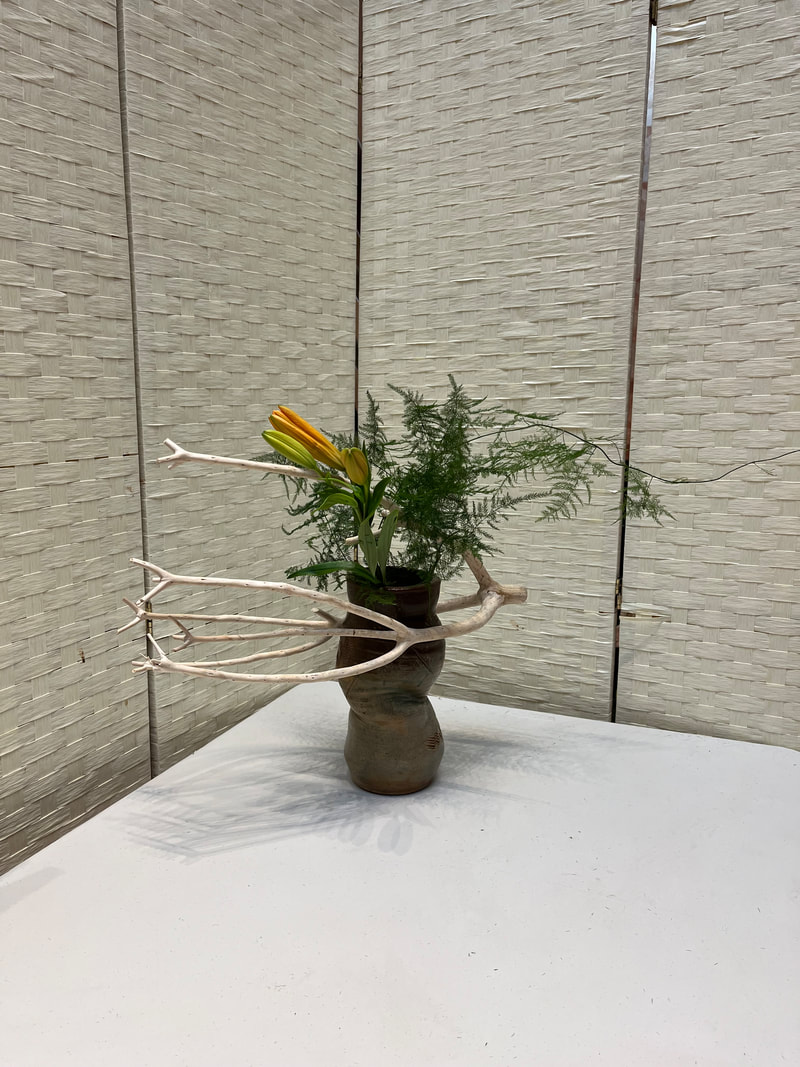
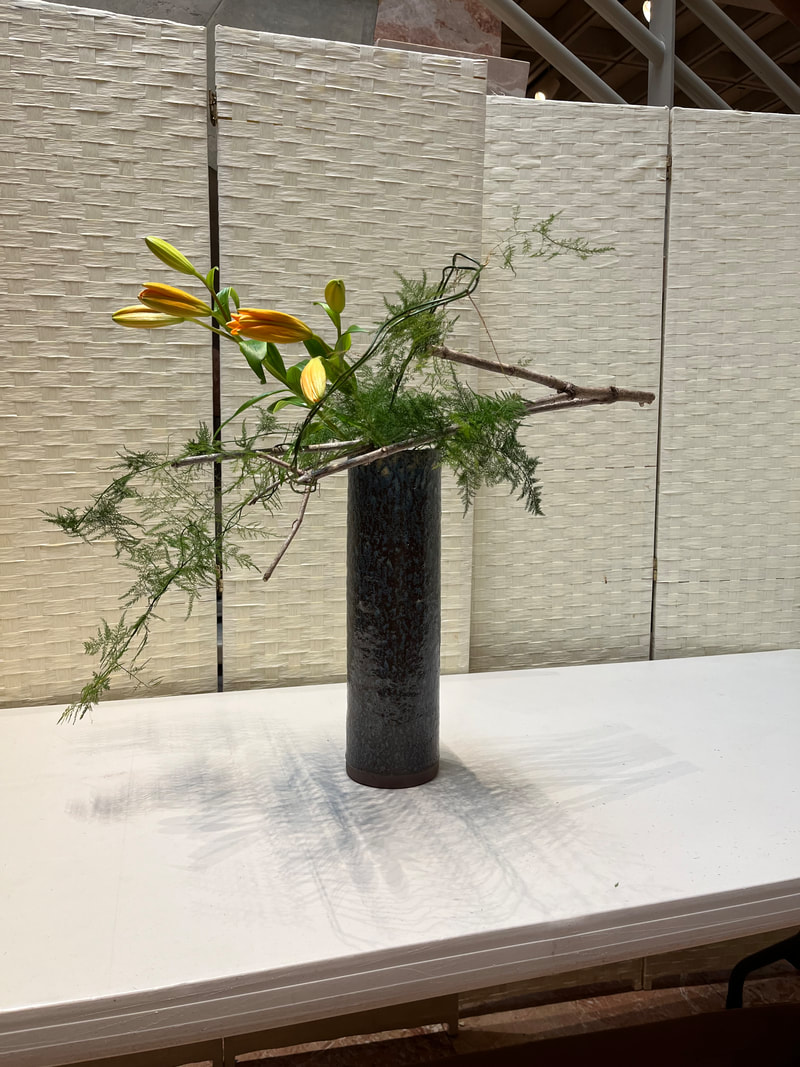
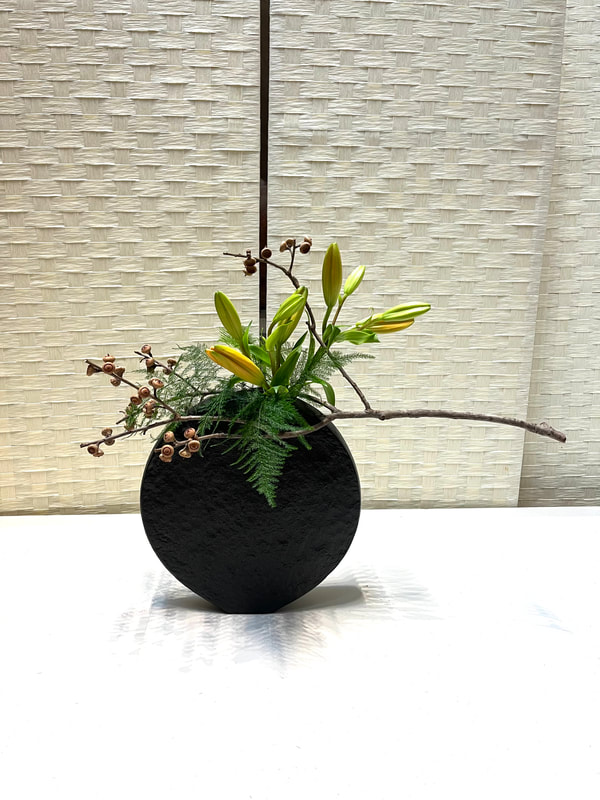
Accompanying the program, five IOR member designers representing different schools creatively reflected poems provided by Dr. Brown through their arrangements. The designers and the poems they interpreted were:

Ikenobo: Evelyn Klumb
“Just a brief stop”
I said when stepping off the road
Into a willow’s shade
Where a bubbling stream flows by…
As has time since my “brief stop” began.
Poem by 12th century, Japanese Buddhist Monk, Saigyo (1118-1190)
Picture

Ohara: Judy Sheldon
If your hermitage is deep in the mountains
Surely the moon, flowers, and maple tree
Will become your friends.
Poem by 18th Century, Japanese Buddhist Monk, Ryokan (1758-1831)

Picture

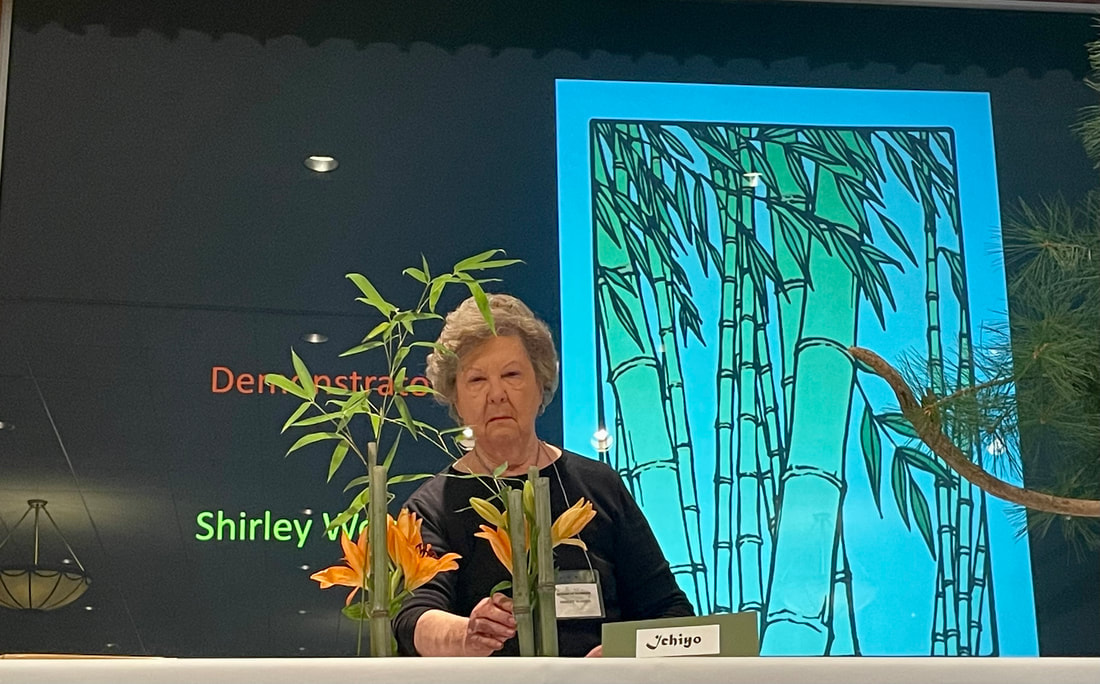
Sogetsu: Annette Ernst
Twilight—the only conversation
on this hill
Is the wind blowing through the pines.
Poem by 18th Century, Japanese Buddhist Monk, Ryokan (1758-1831)

Picture

Ichiyo: Alice Litchfield
Tired from travel
I’m falling asleep under
a tree at Yoshino
while a spring breeze gathers
and pulls over me a quilt of petals.
Poem by 12th century, Japanese Buddhist Monk, Saigyo (1118-1190)

Picture

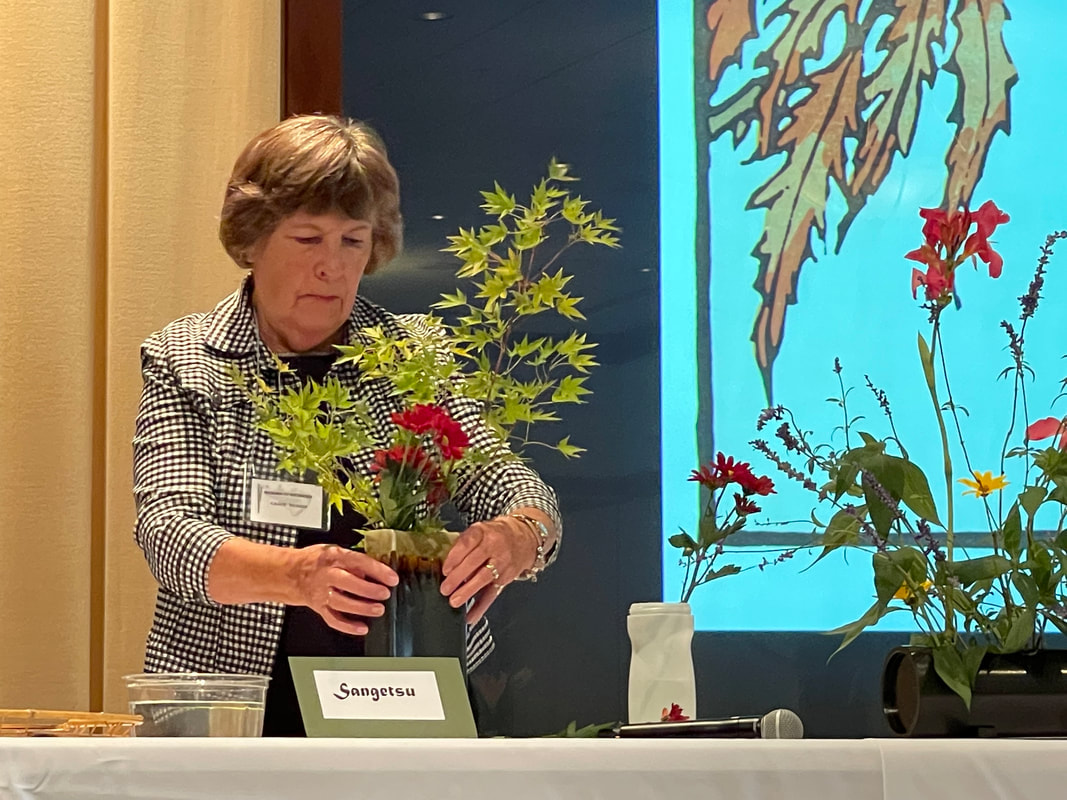
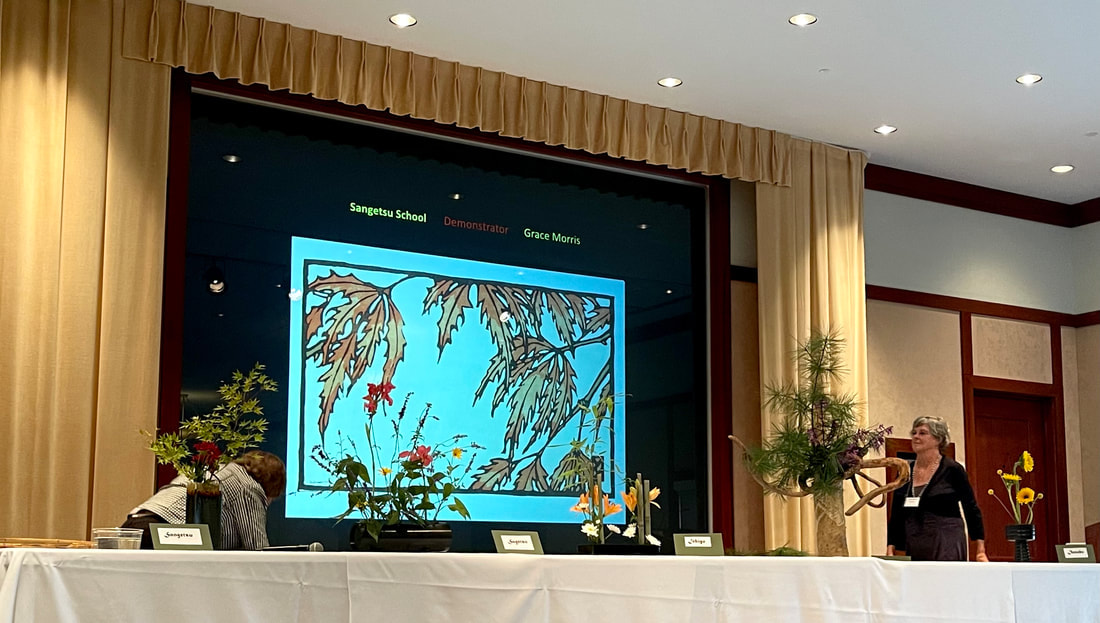
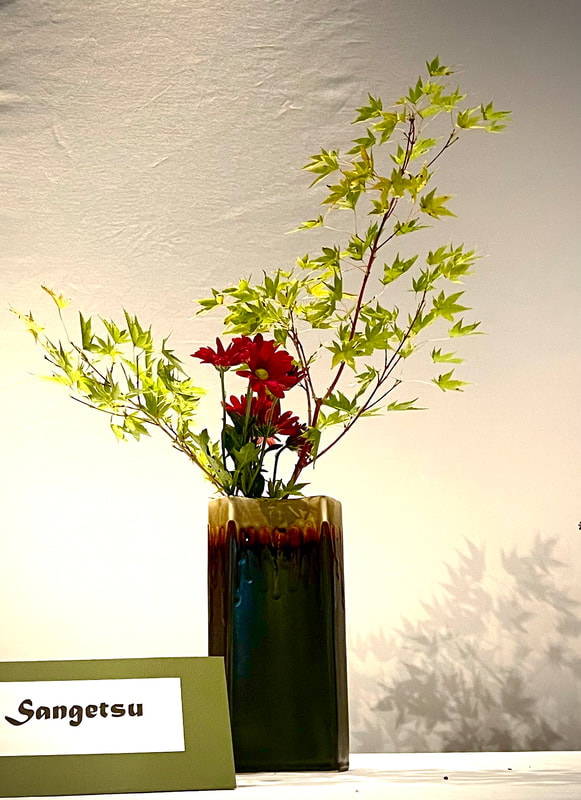
Sangetsu: Grace Morris
“Detached” observer
of blossoms finds himself in time
intimate with them –
so, when they separate from the branch,
it’s he who falls…deeply into grief.
Poem by 12th century, Japanese Buddhist Monk, Saigyo (1118-1190)
Picture

Sheila Advani, Sogetsu School

4/6/2023

 
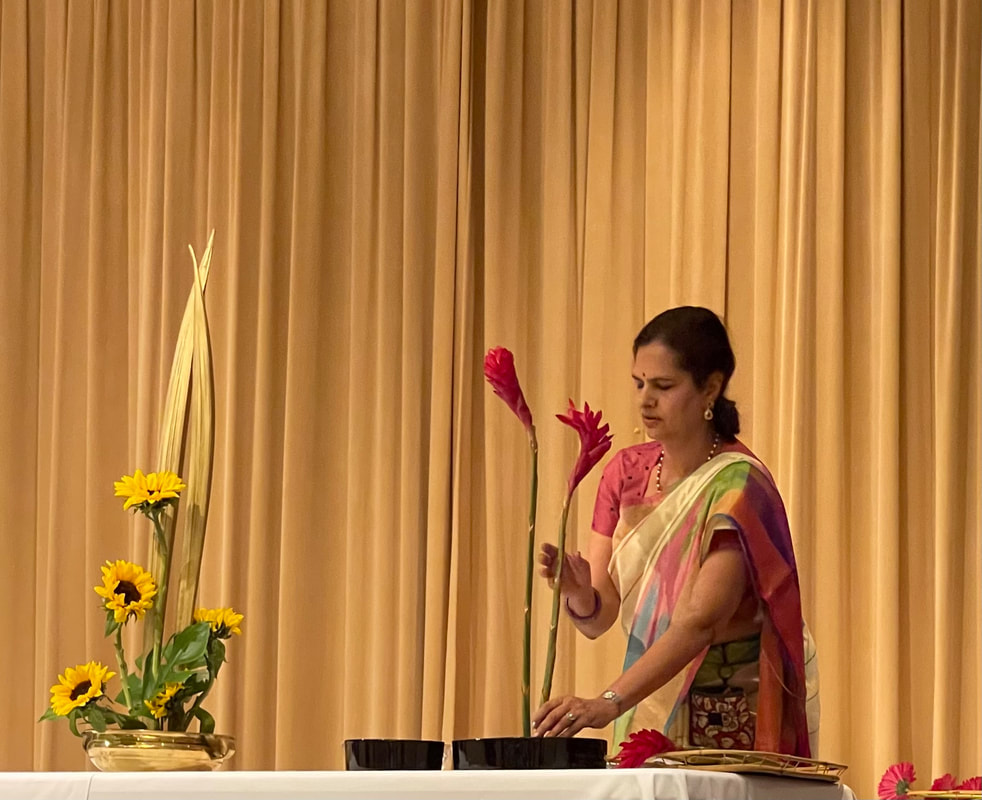
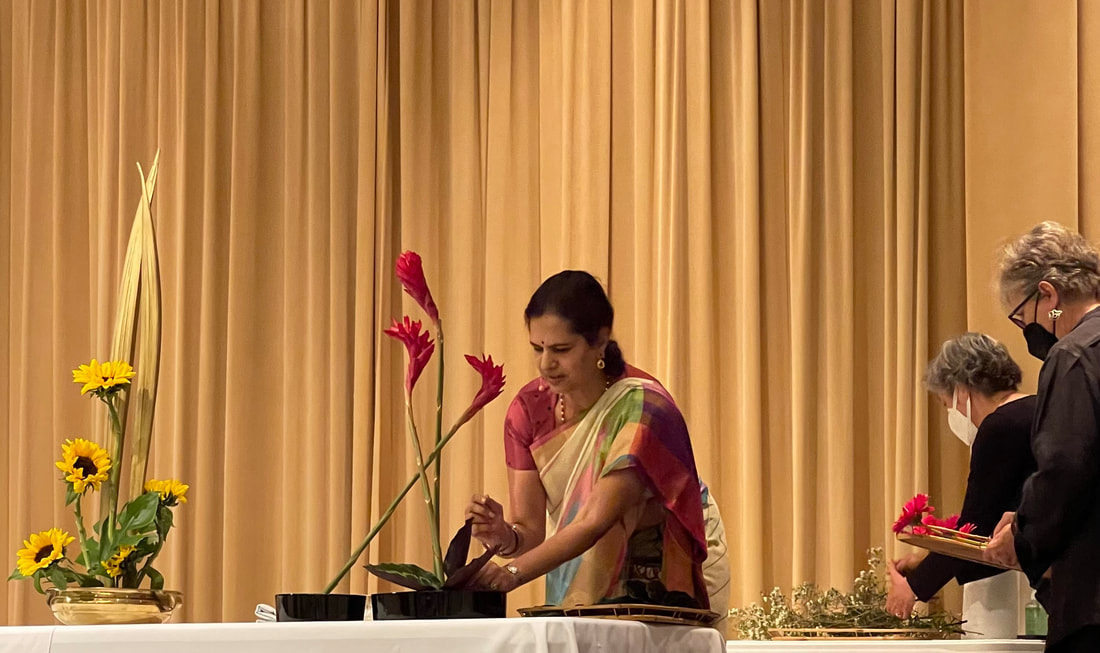
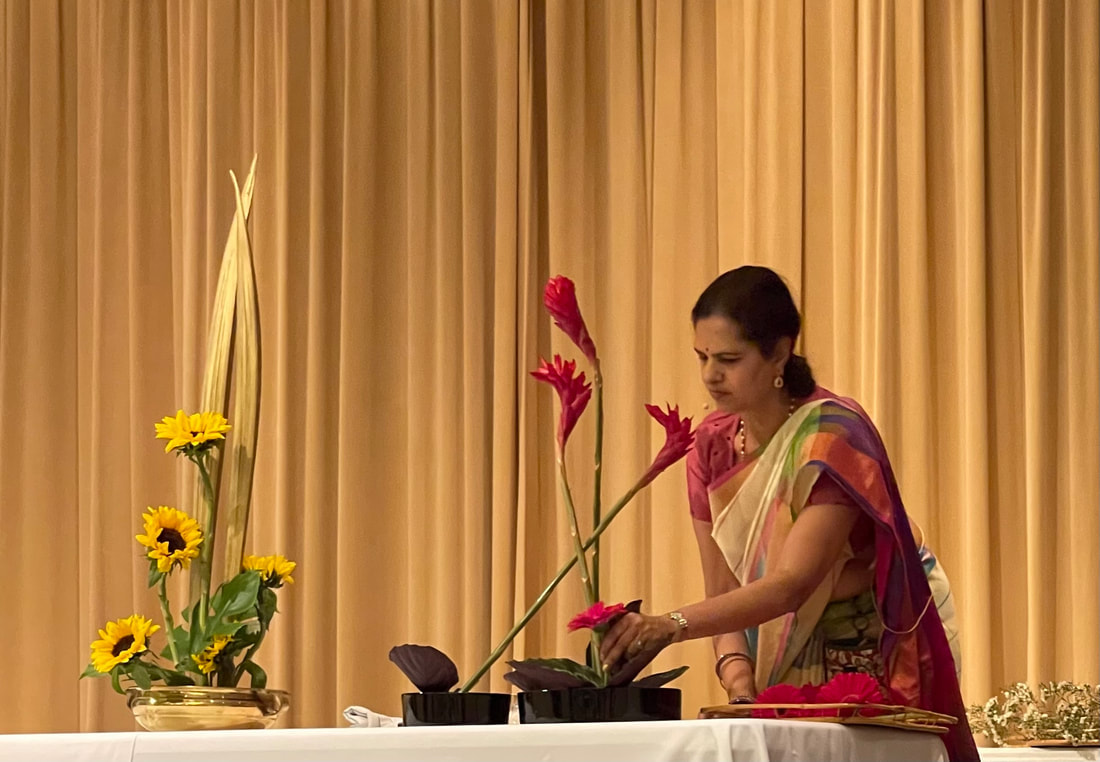
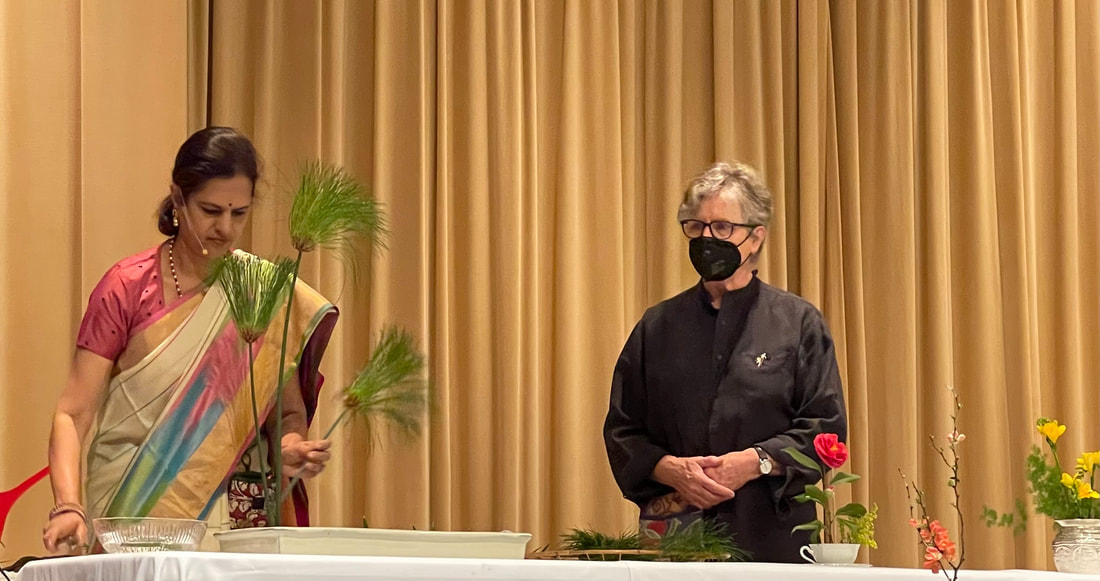
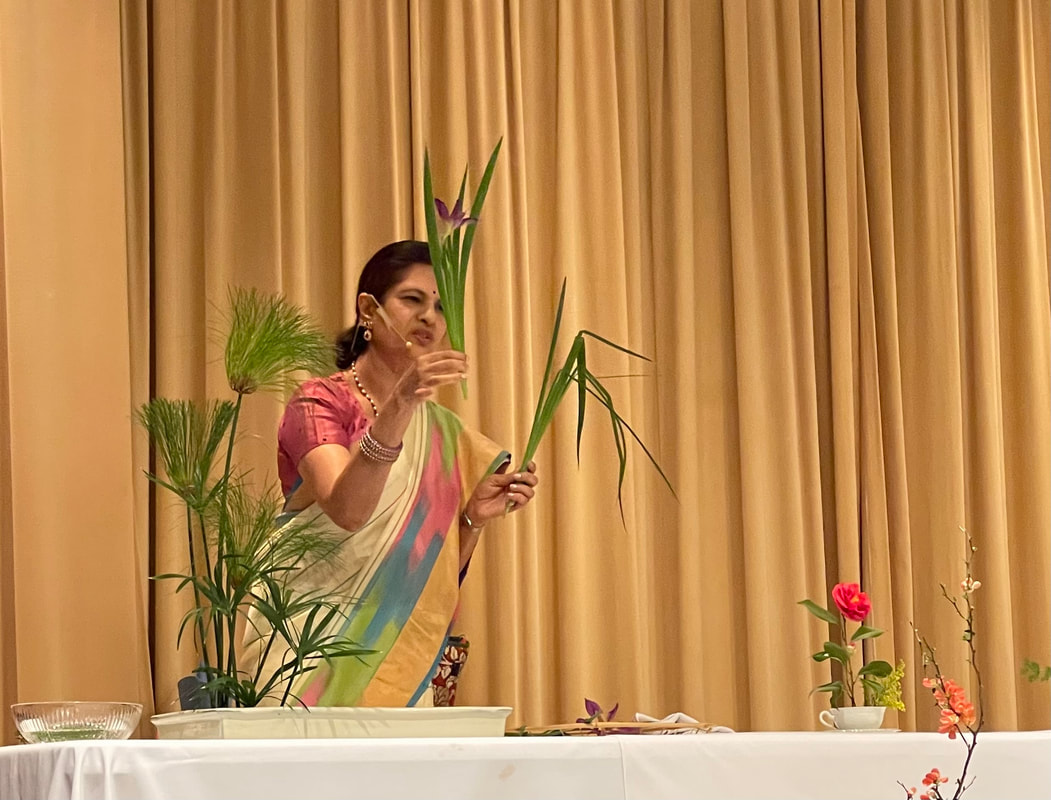
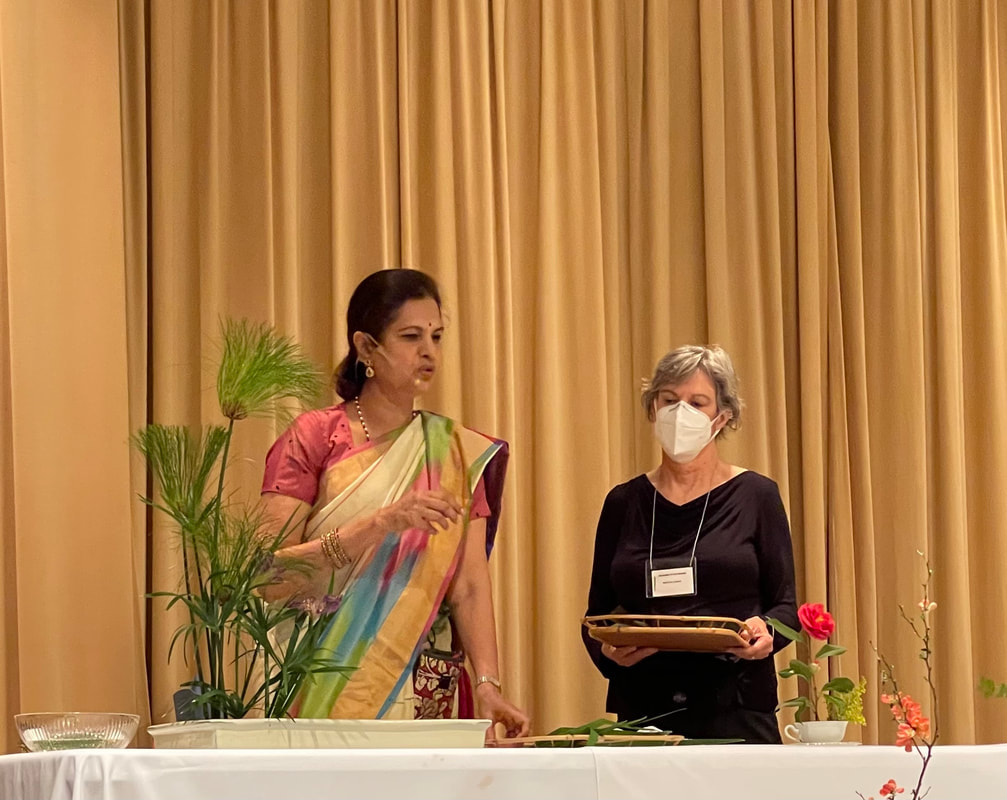
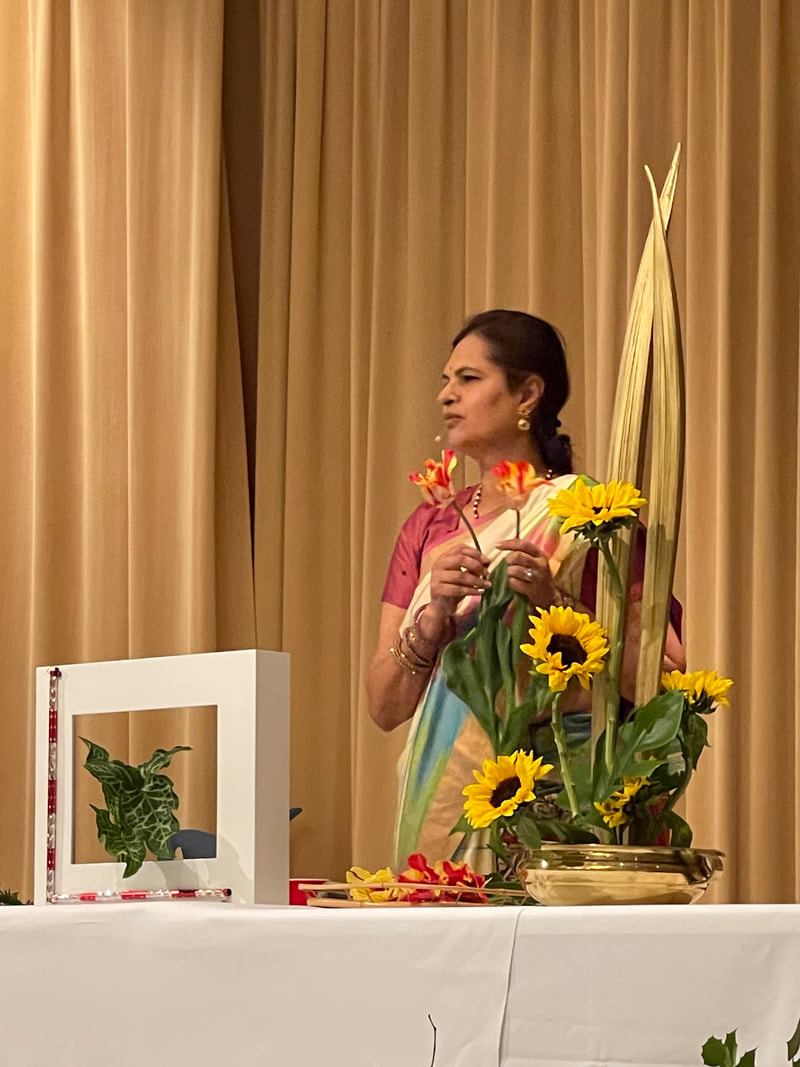
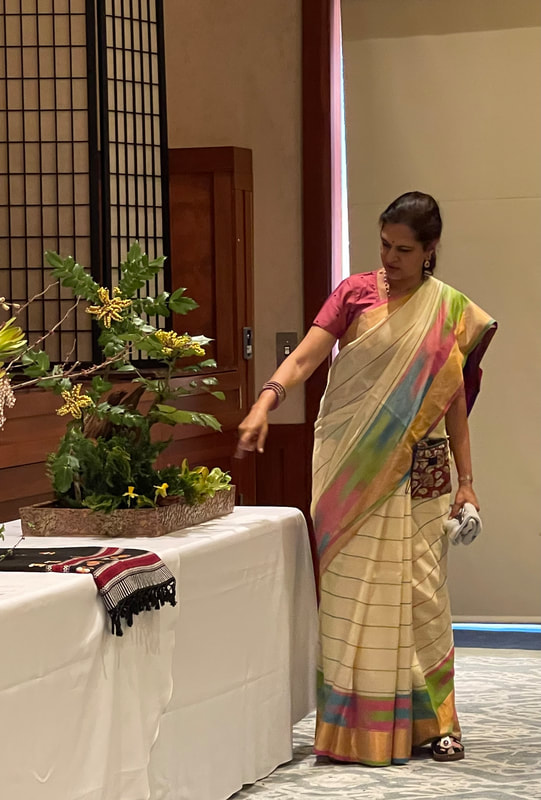
Ikebana of Richmond welcomed Sheila Advani to the stage as our guest demonstrator on April 6 at Lewis Ginter Botanical Garden. Sheila started teaching in 1994 and currently teaches four classes per week, September-May and participates in workshops on a regular basis to enhance her own learning. She currently has the rank of Riji in the Sogetsu School which is headquartered in Tokyo, Japan.

The Universe in a Flower - Valeria Shishkin - Ikenobo School

3/9/2023

 
Our featured guest was Valeria Shishkin representing the Ikenobo School. Valeria is from the DC area and a member of Ikebana International Chapter 1. The program was entitled “The Universe in a Flower”.

Hanafuda: Japanese Culture Packed in a Deck of Cards - Nakamura Yoshiko

2/2/2023

 
Find out more about the playful Edo culture that resonates to this day through this underrated card game. Experience this fun game and see why it survived a 200-year ban. Learn how to play Hana-Awase and Koi-Koi using Hanafuda cards, and Bozu-Mekuri using the Hyankunin-Isshu cards.
<<Previous
Forward>>

    Archives

    November 2025
    October 2025
    September 2025
    April 2025
    March 2025
    February 2025
    December 2024
    November 2024
    October 2024
    September 2024
    April 2024
    March 2024
    February 2024
    November 2023
    October 2023
    September 2023
    April 2023
    March 2023
    February 2023
    November 2022
    October 2022
    September 2022
    April 2022
    March 2022
    November 2021
    October 2021
    September 2021
    April 2021
    March 2021
    February 2021
    November 2020
    October 2020
    September 2020
    March 2020
    February 2020
    November 2019
    October 2019
    September 2019
    March 2019
    February 2019
    November 2018
    October 2018
    September 2018
    April 2018
    March 2018
    February 2018
    November 2017
    October 2017
    September 2017
    April 2017
    March 2017
    February 2017
    December 2016
    November 2016
    October 2016
    September 2016
    April 2016
    March 2016
    December 2015
    November 2015
    October 2015
    September 2015
    April 2015
    March 2015
    February 2015
    January 2015
    November 2014
    October 2014
    September 2014
    April 2014
    March 2014
    January 2014
    November 2013
    October 2013
    September 2013
    April 2013
    February 2013
    January 2013
    November 2012
    October 2012
    September 2012
    May 2012
    April 2012
    March 2012
    February 2012
    January 2012
    November 2011
    October 2011
    September 2011
    April 2011
    March 2011
    January 2011
    November 2010
    October 2010
    September 2010
    July 2010
    May 2010

    RSS Feed

Proudly powered by Weebly
  • Home
  • Recent Events
  • Media
  • Japanese Culture
  • Gallery
    • Ikenobo
    • Ohara
    • Sogetsu
    • Ichiyo
    • Sangetsu
  • History
  • Membership